
Luggage
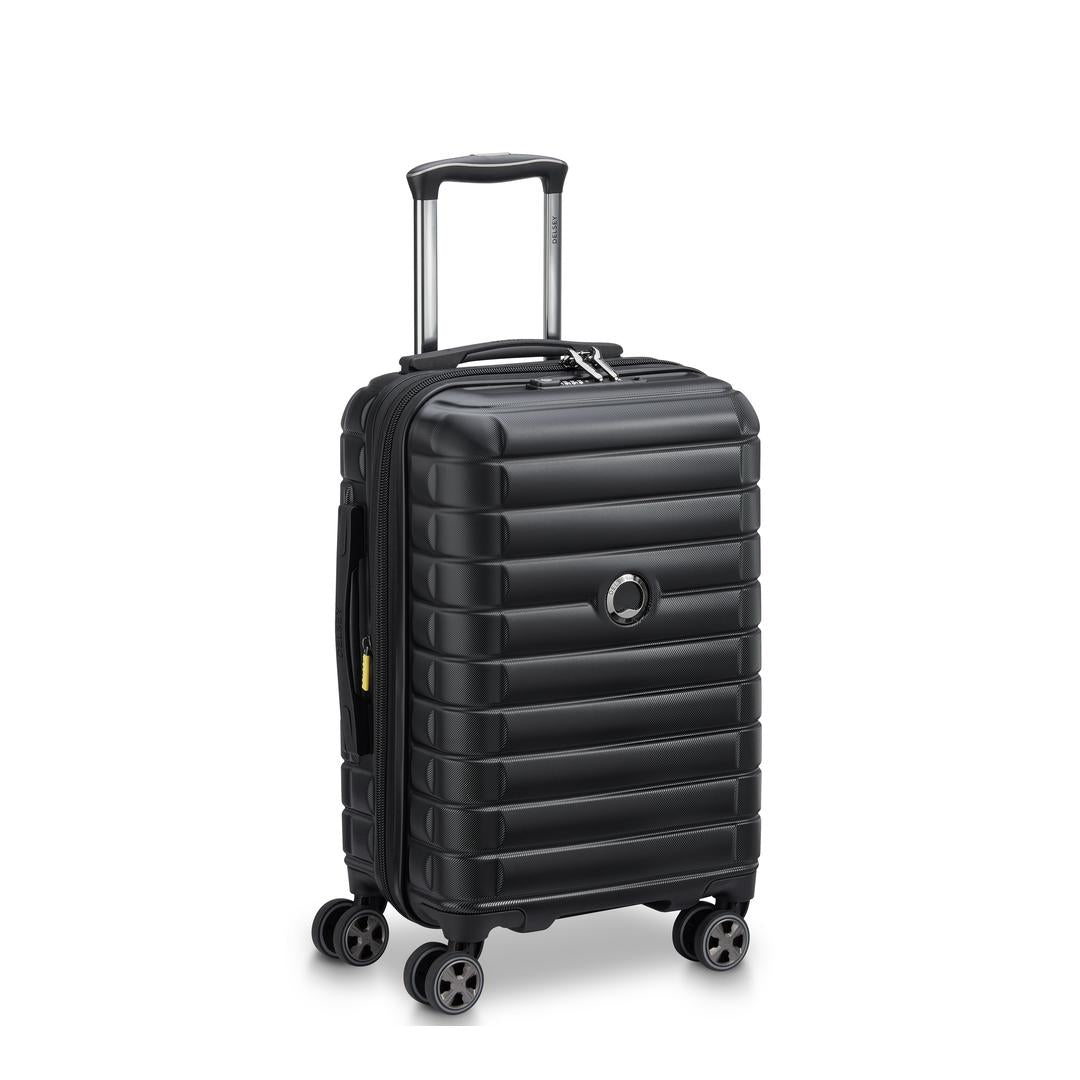
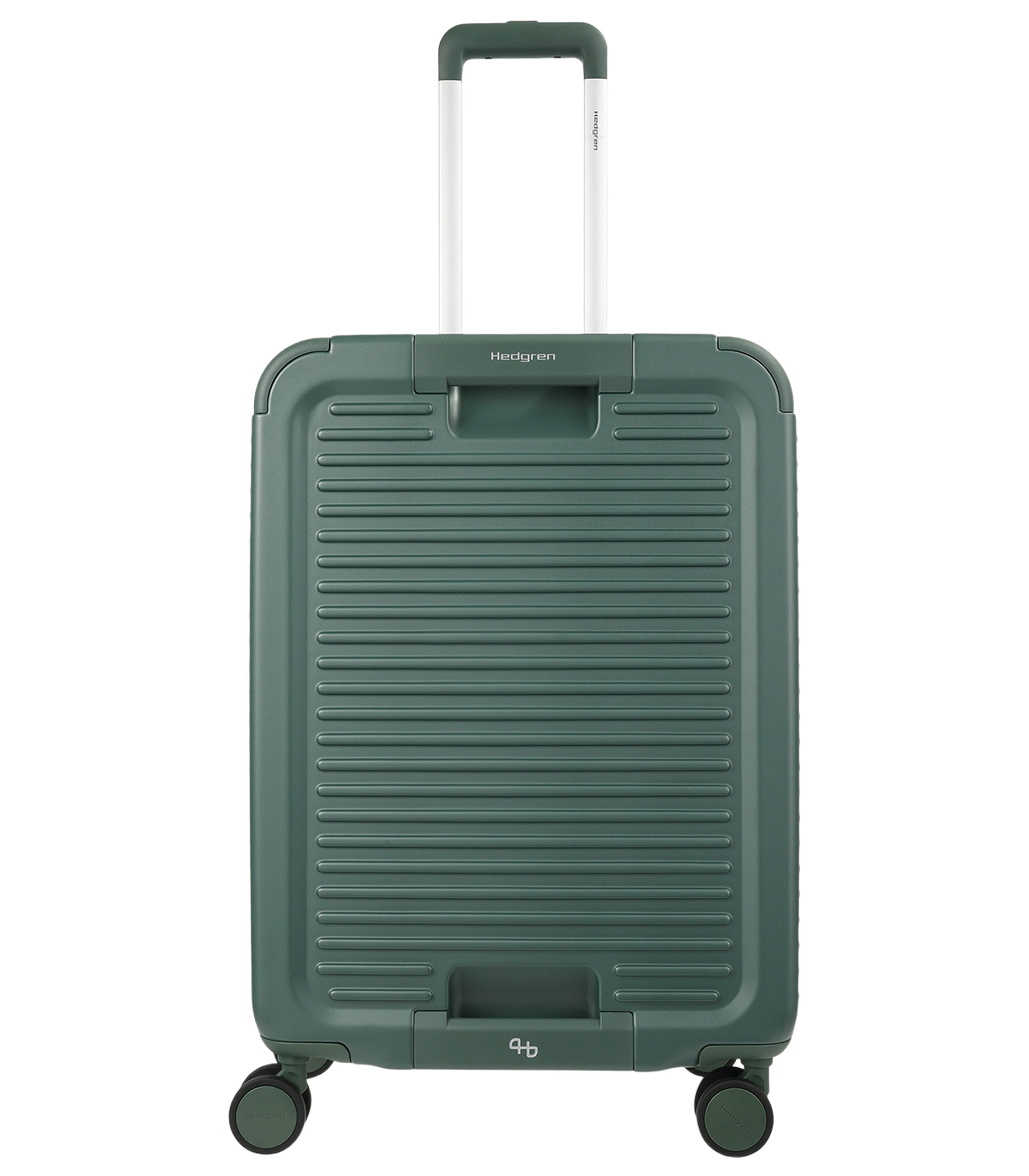
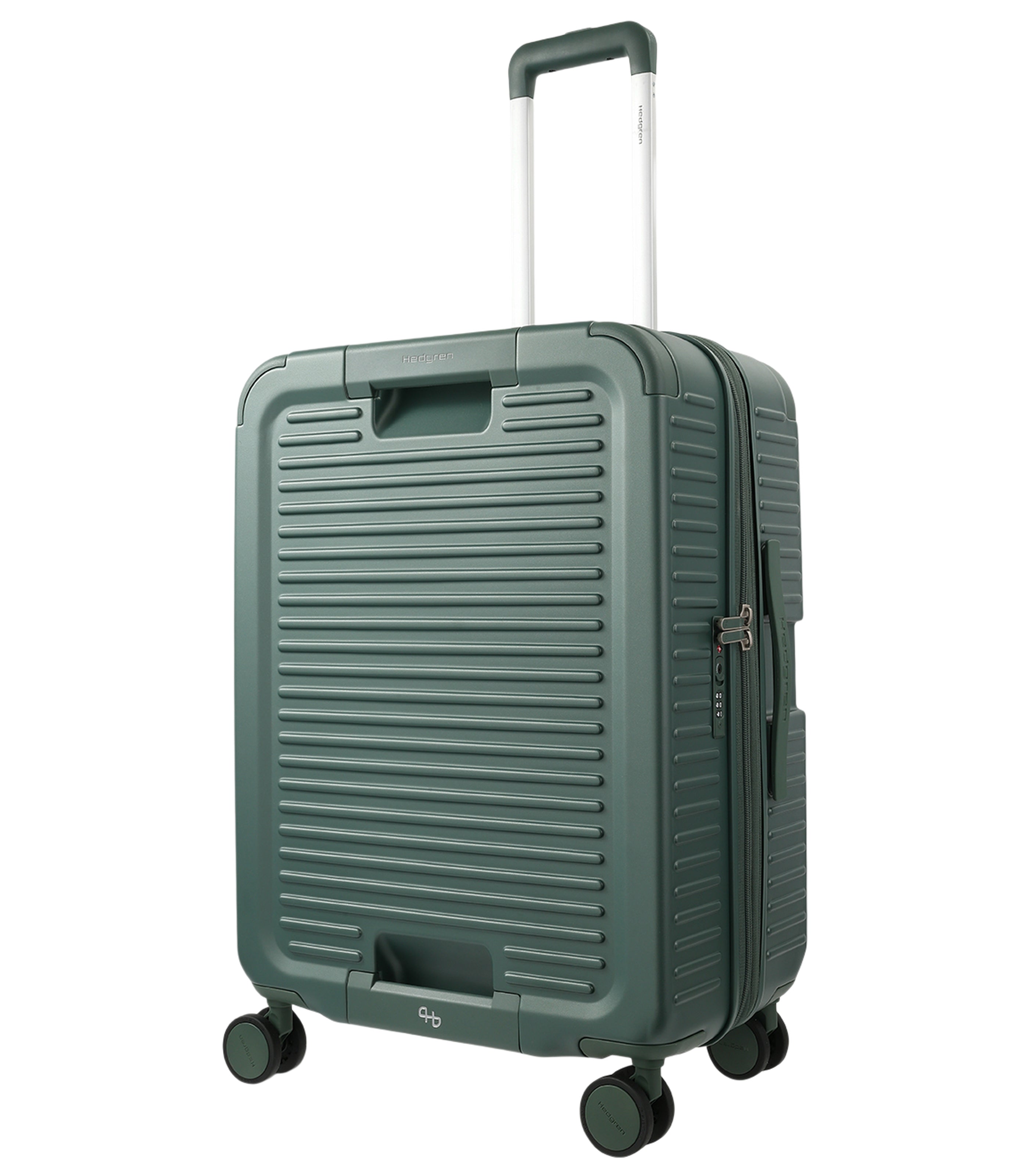
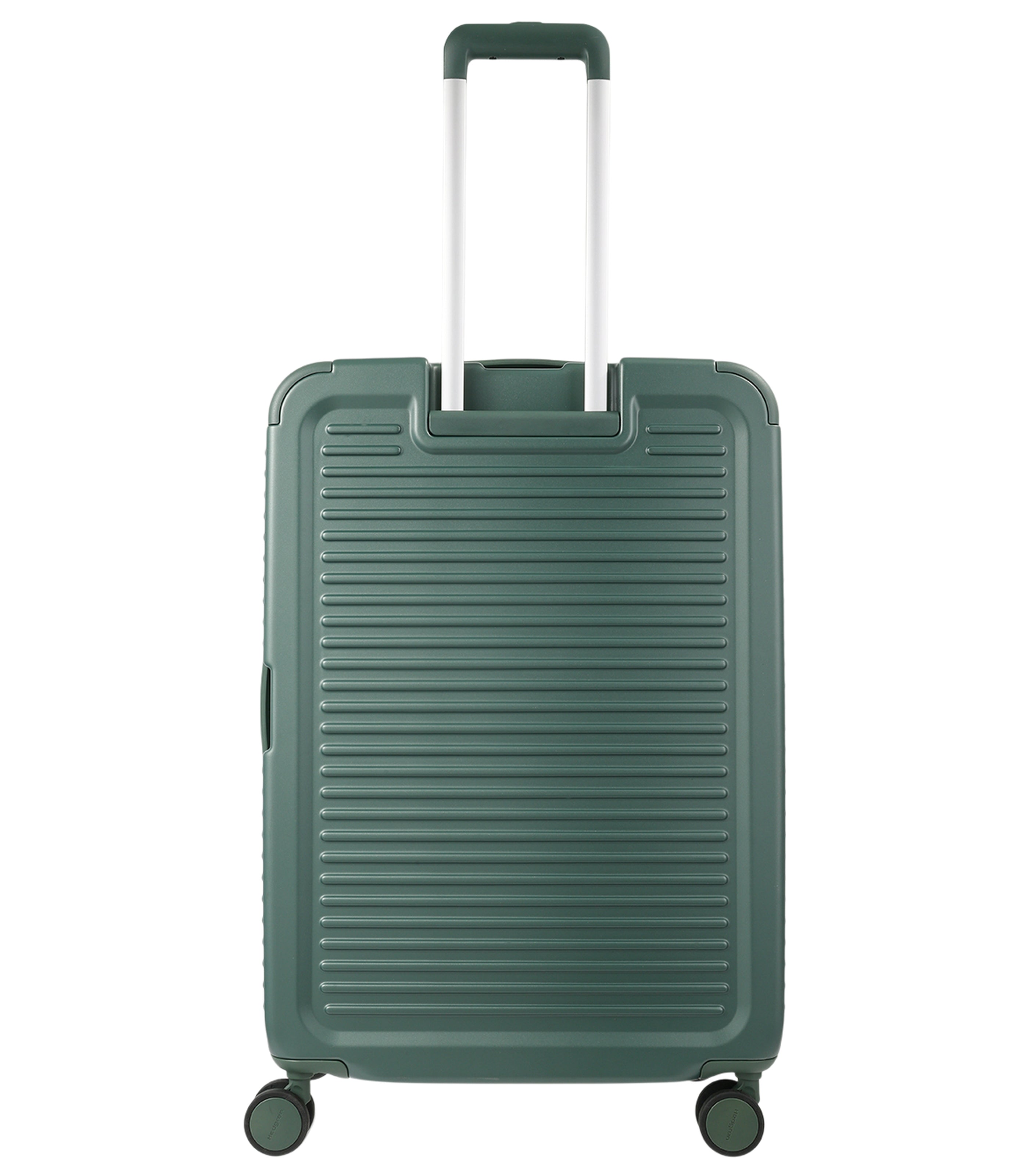
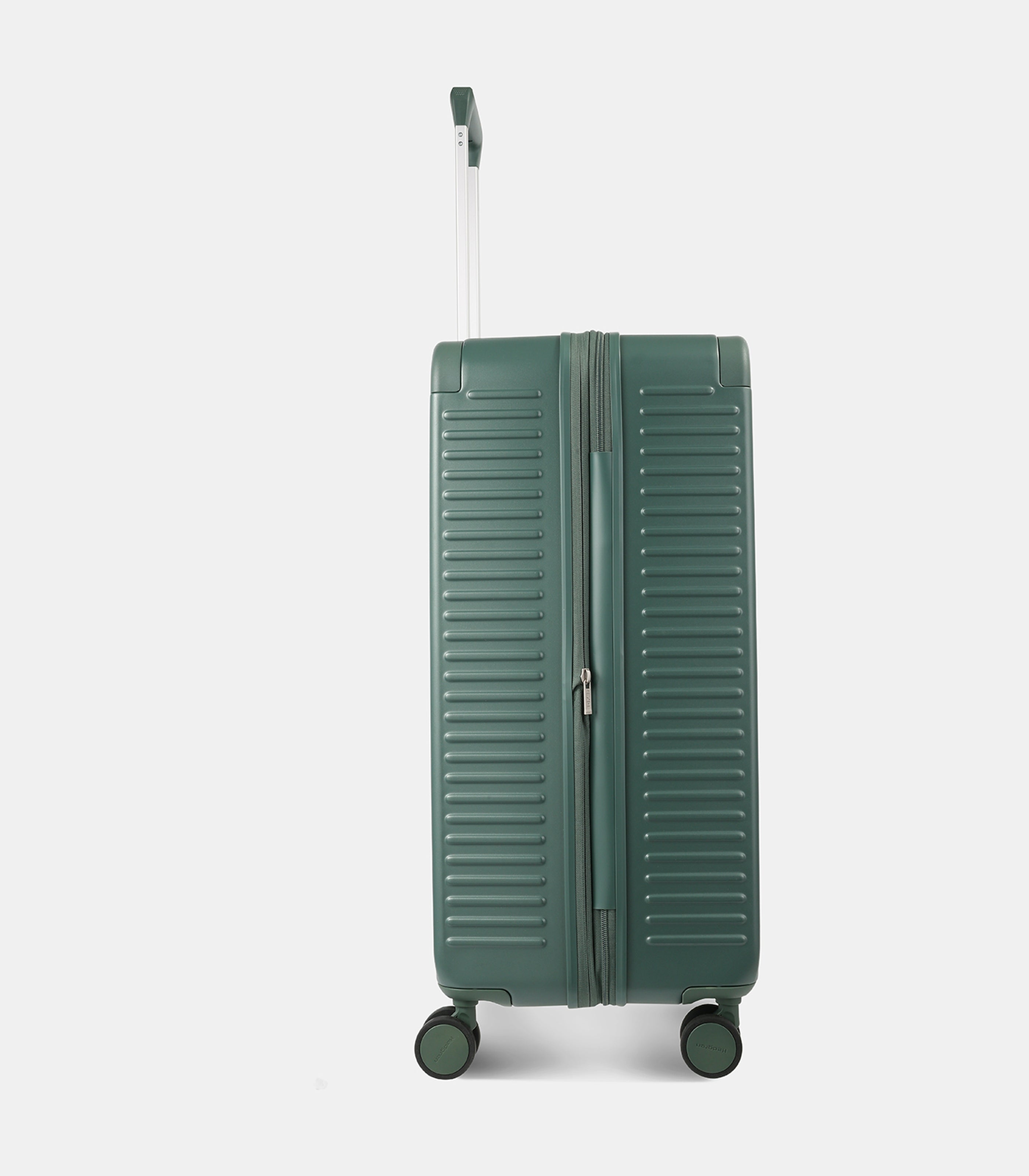
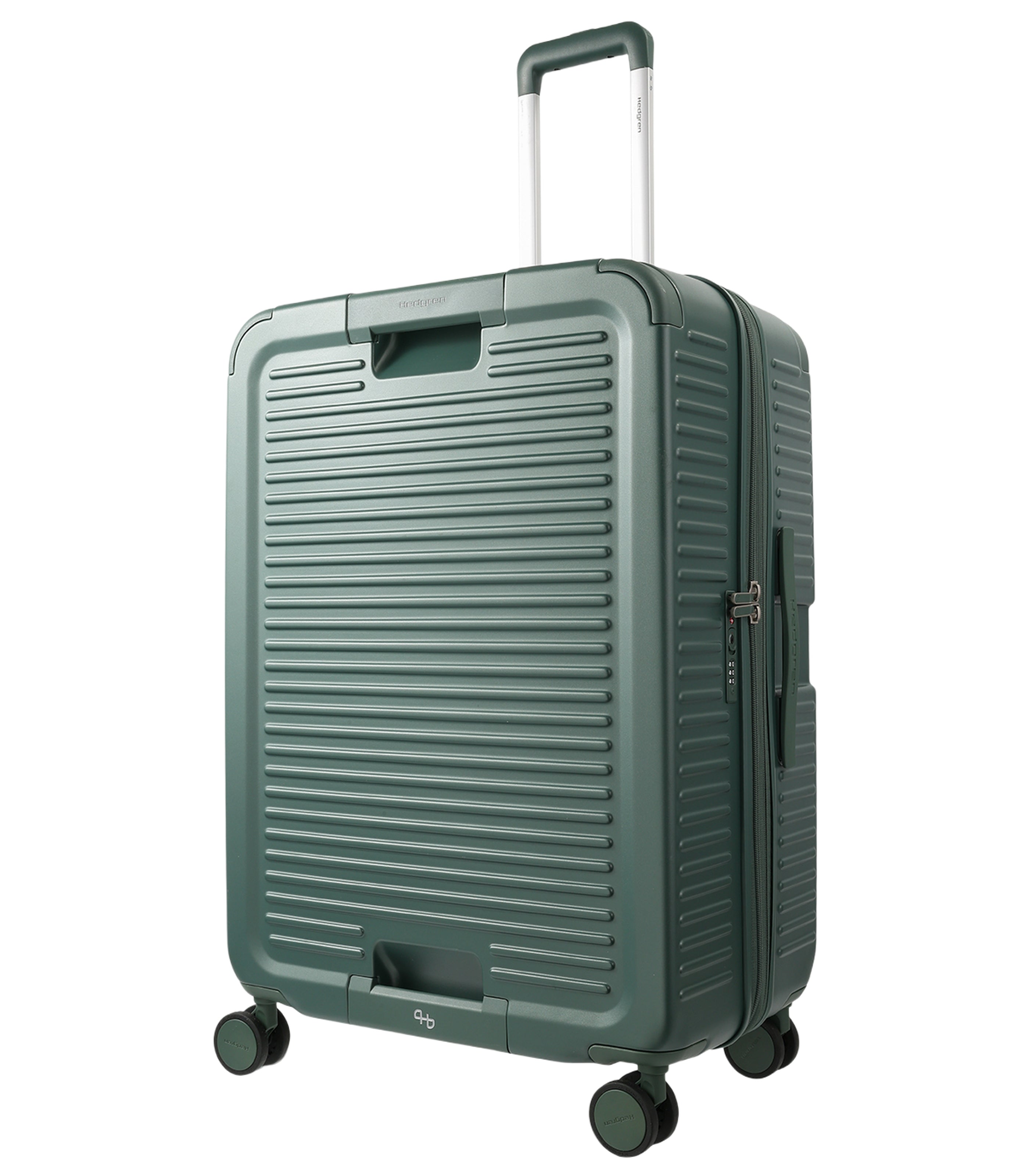
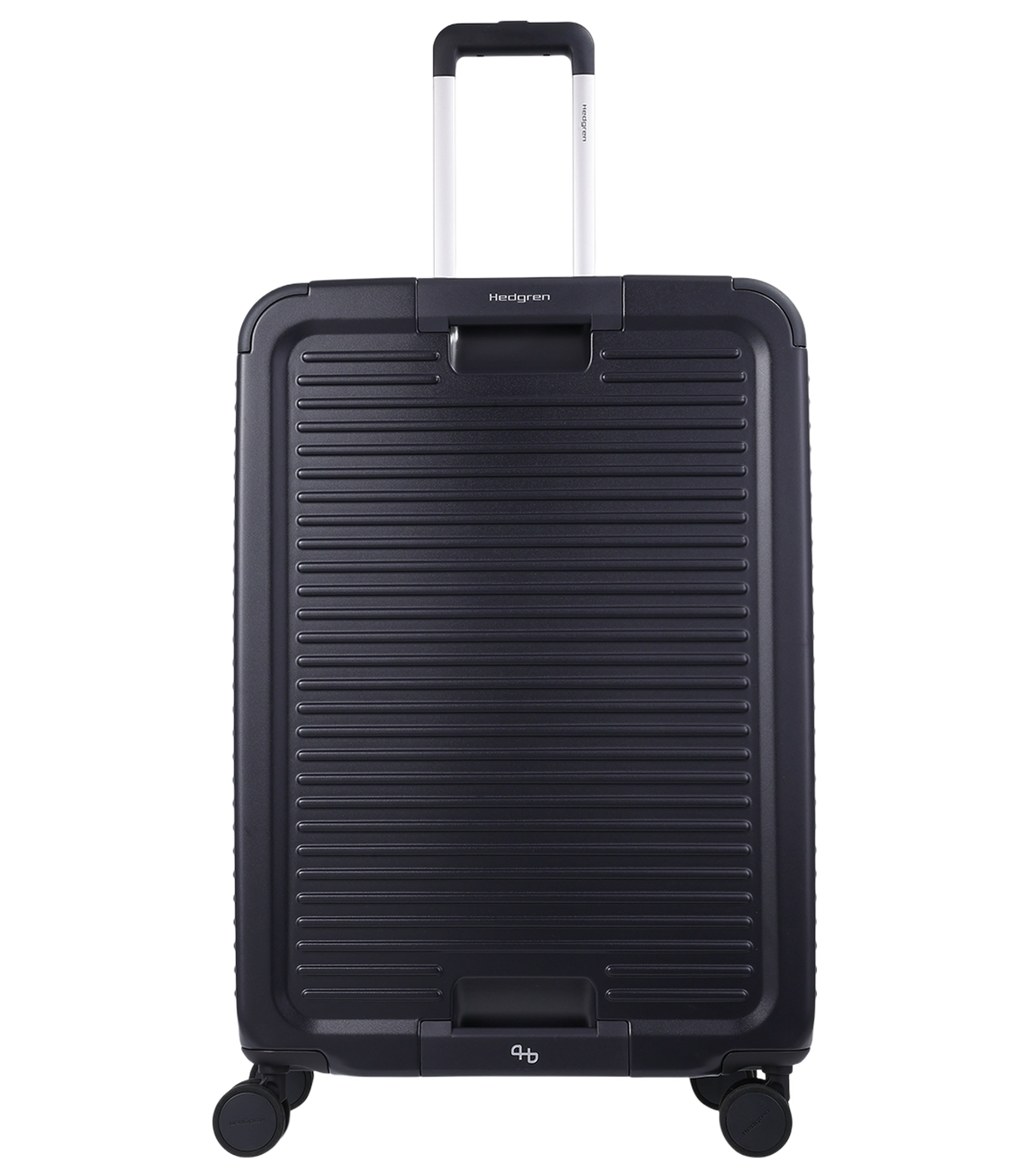
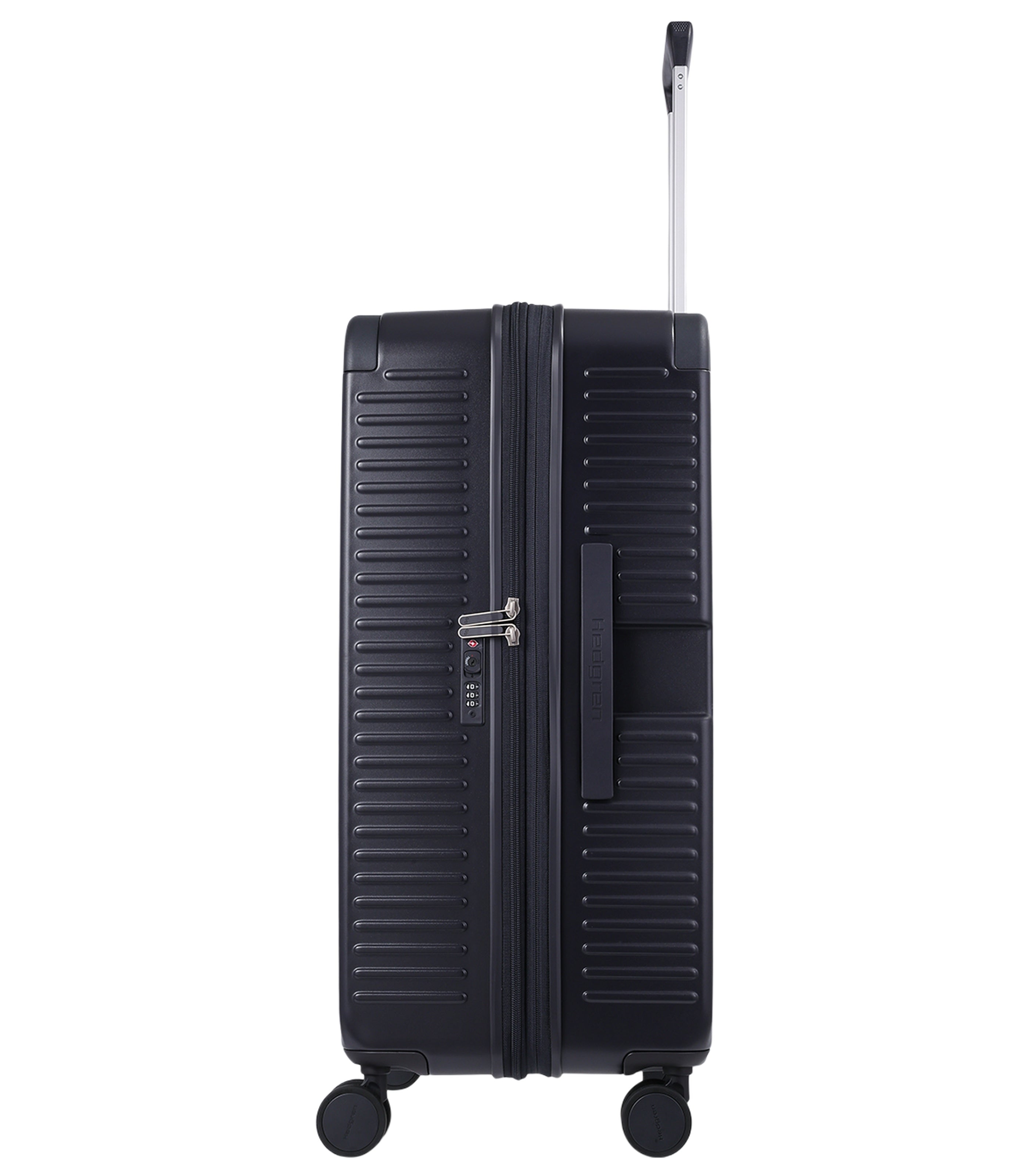
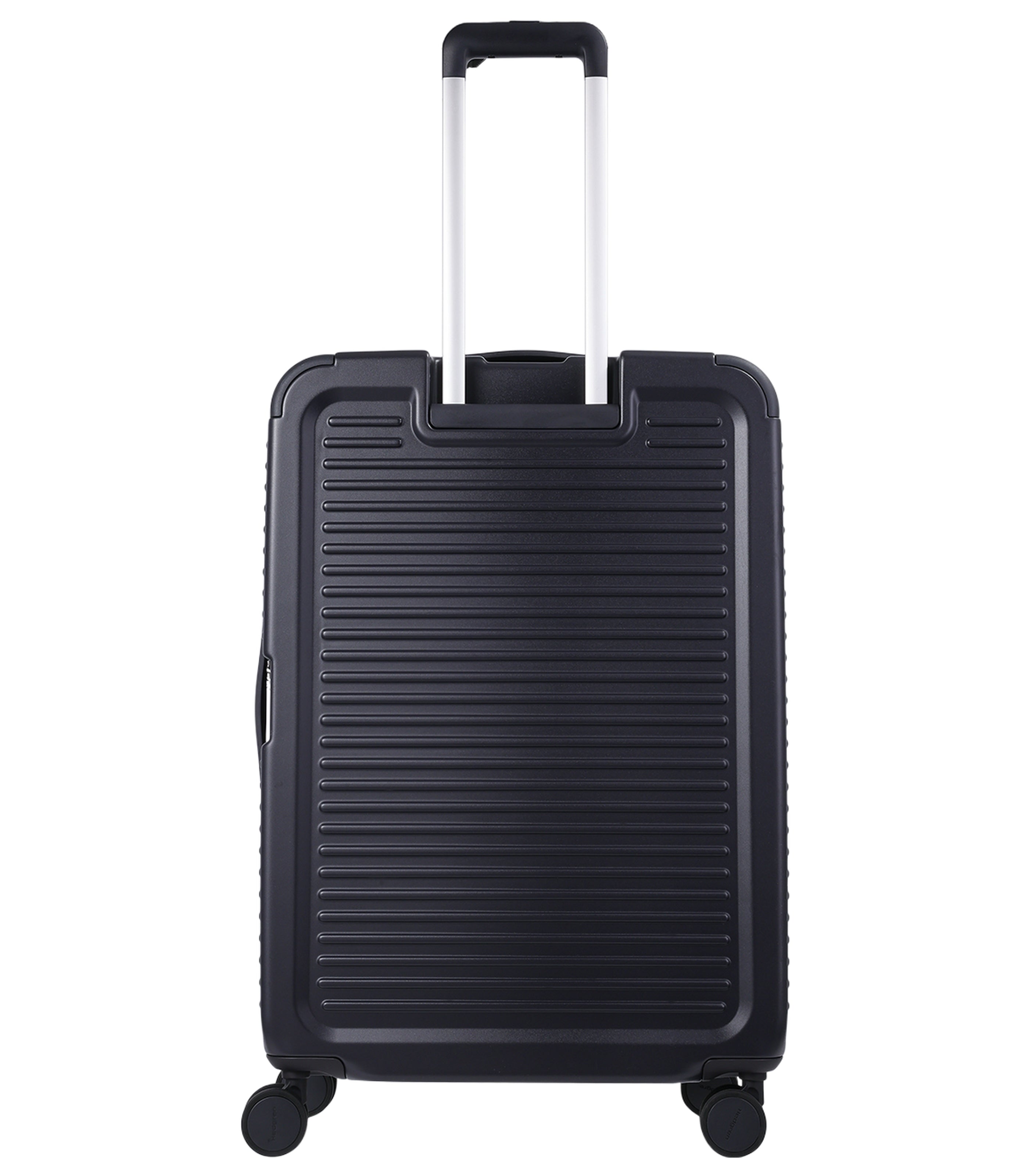
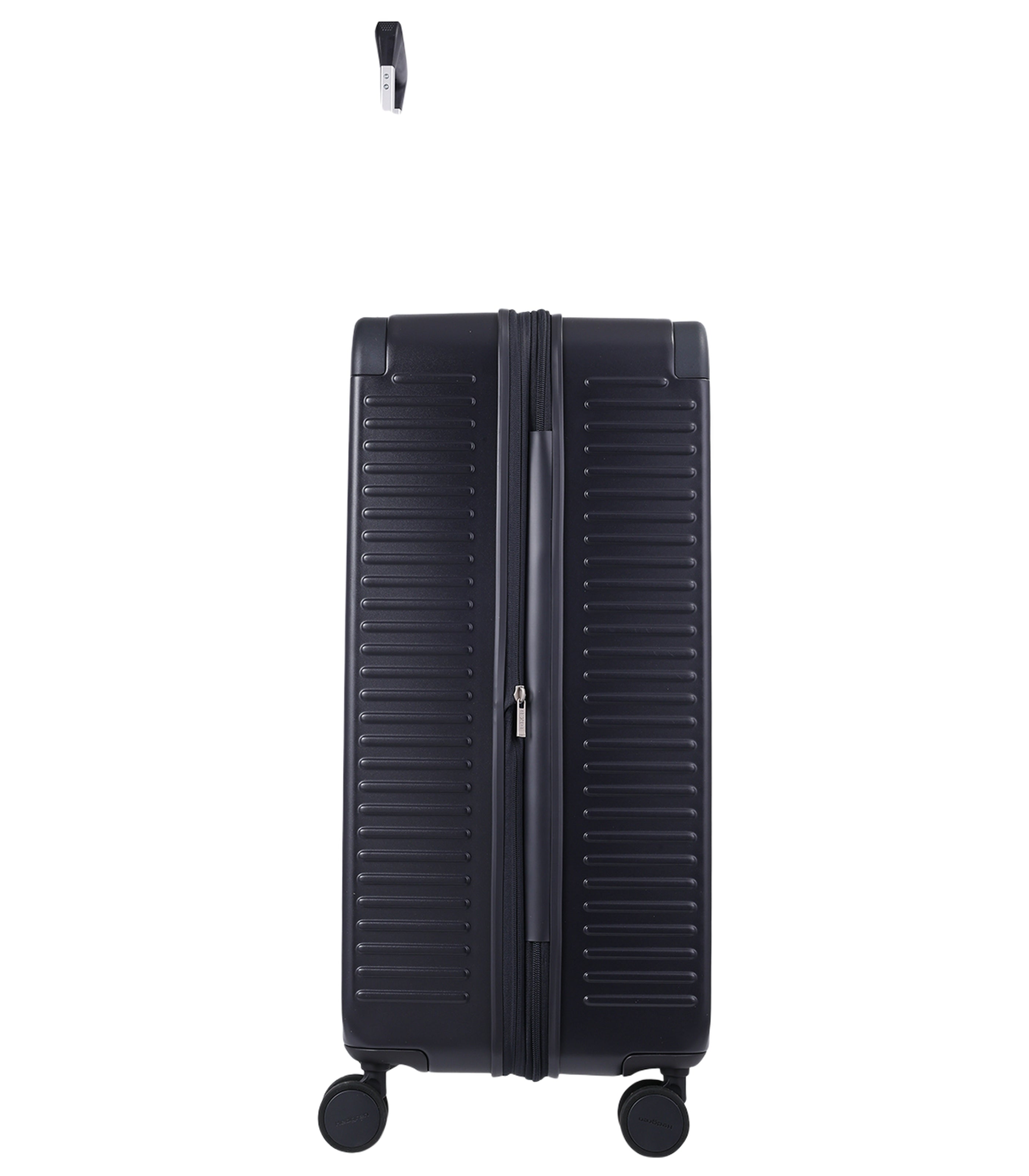
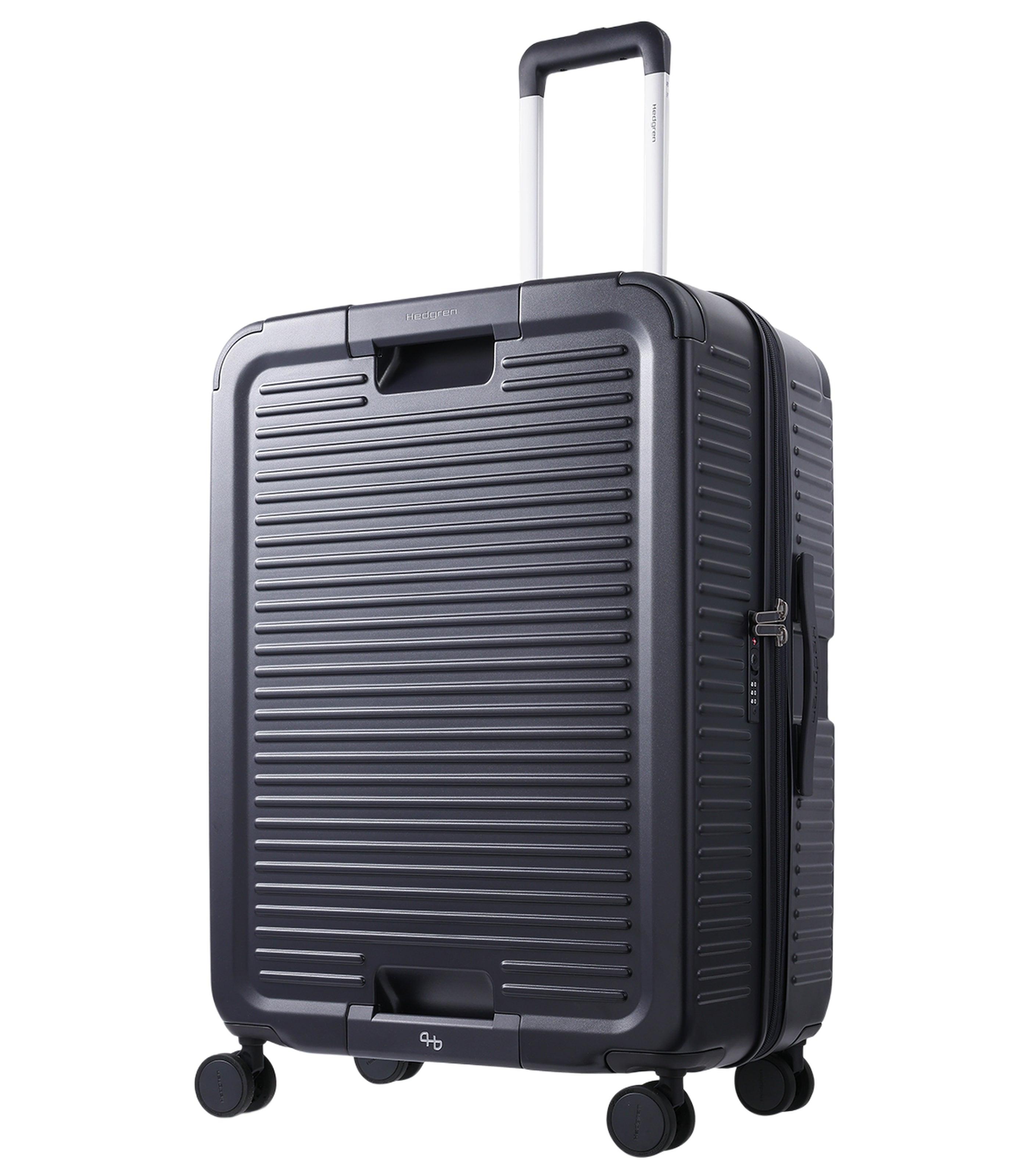
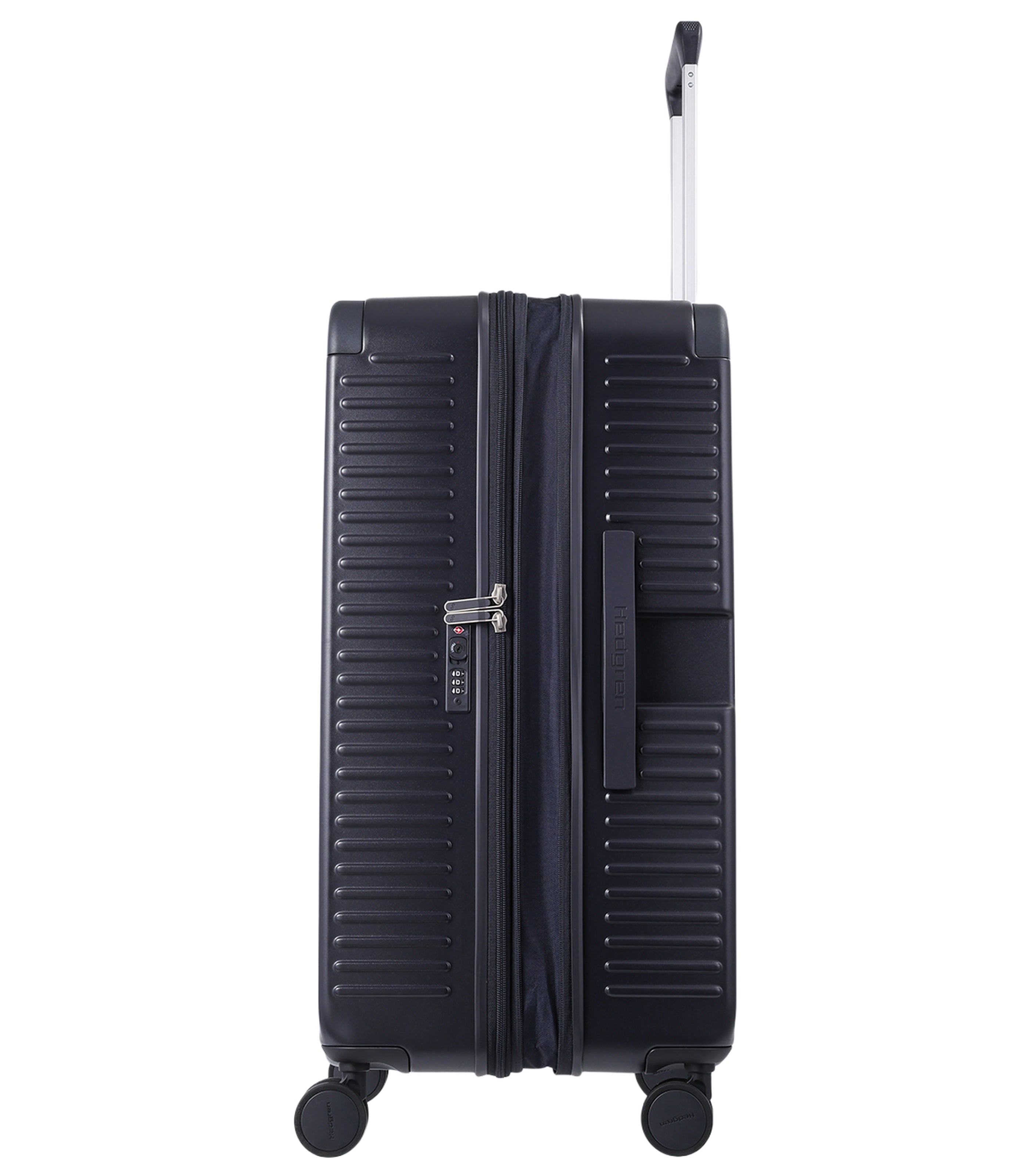
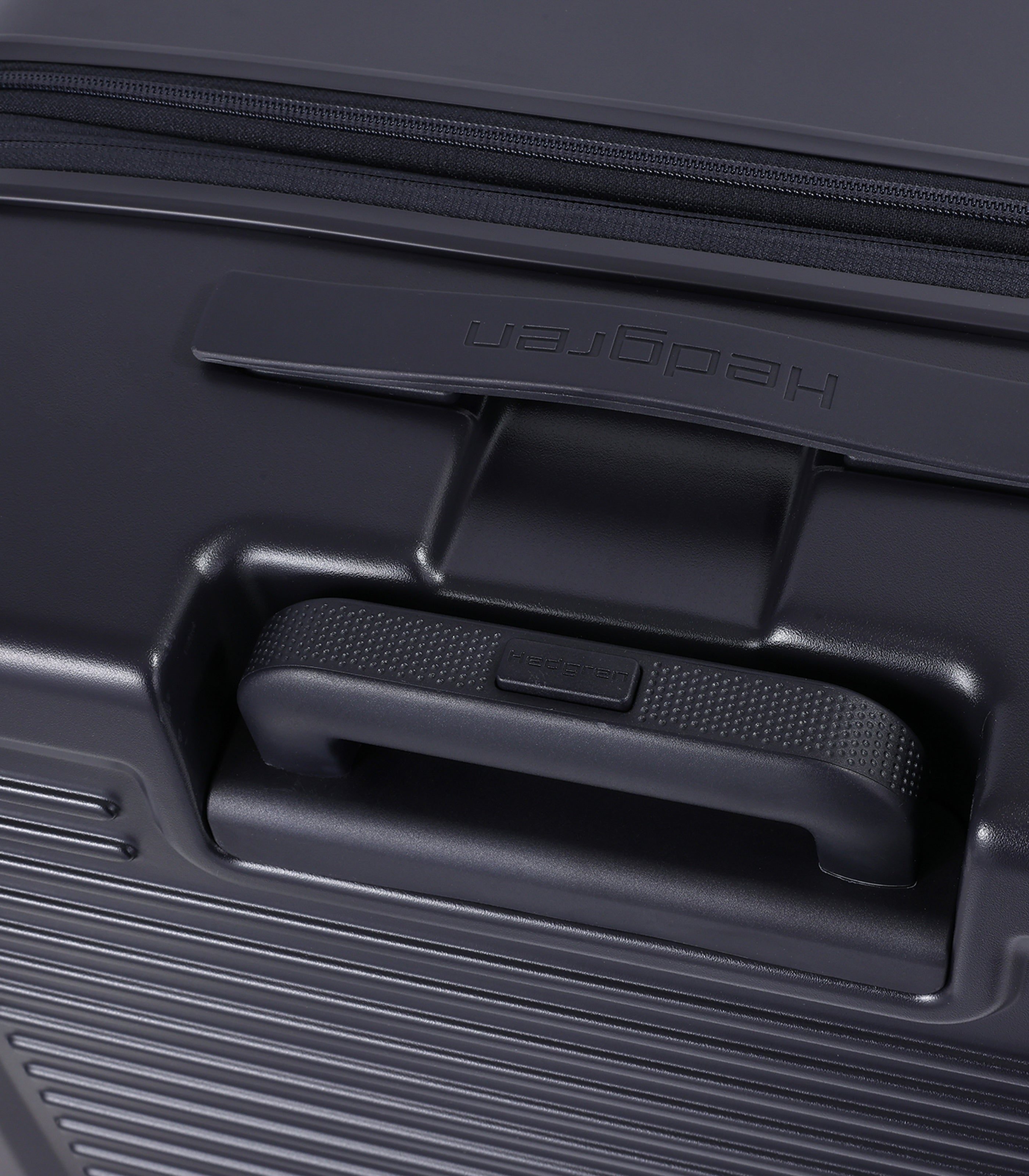
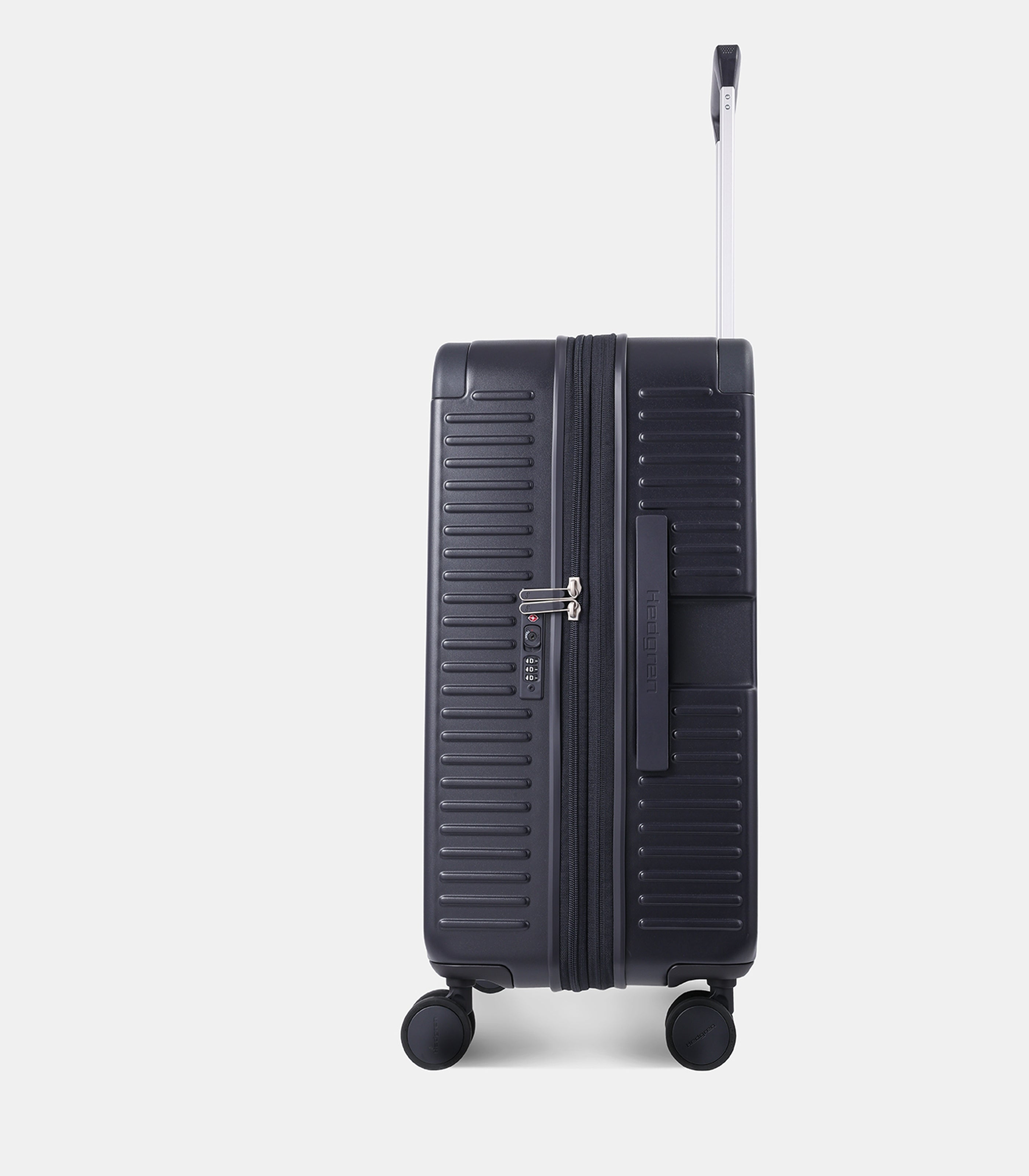
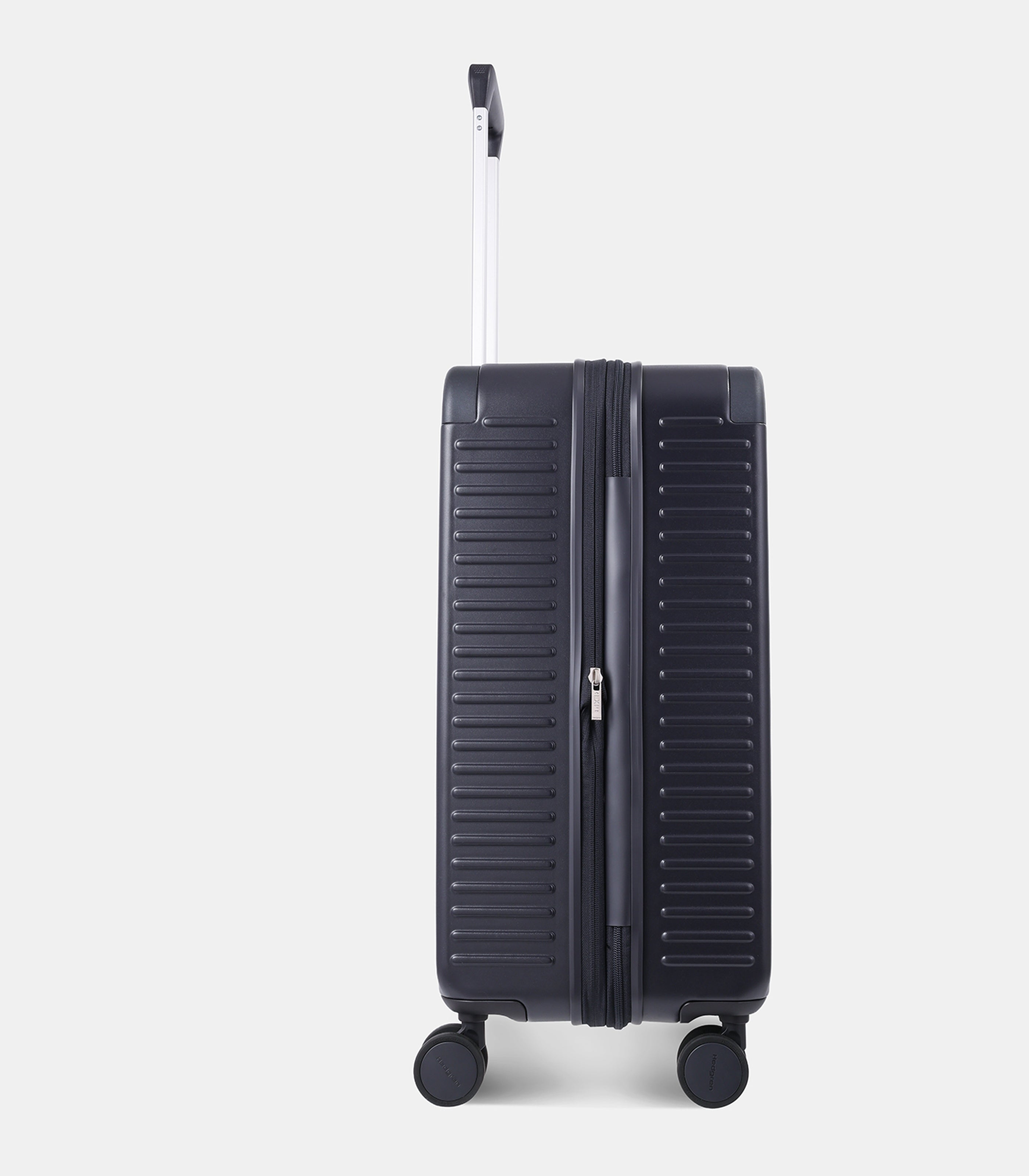
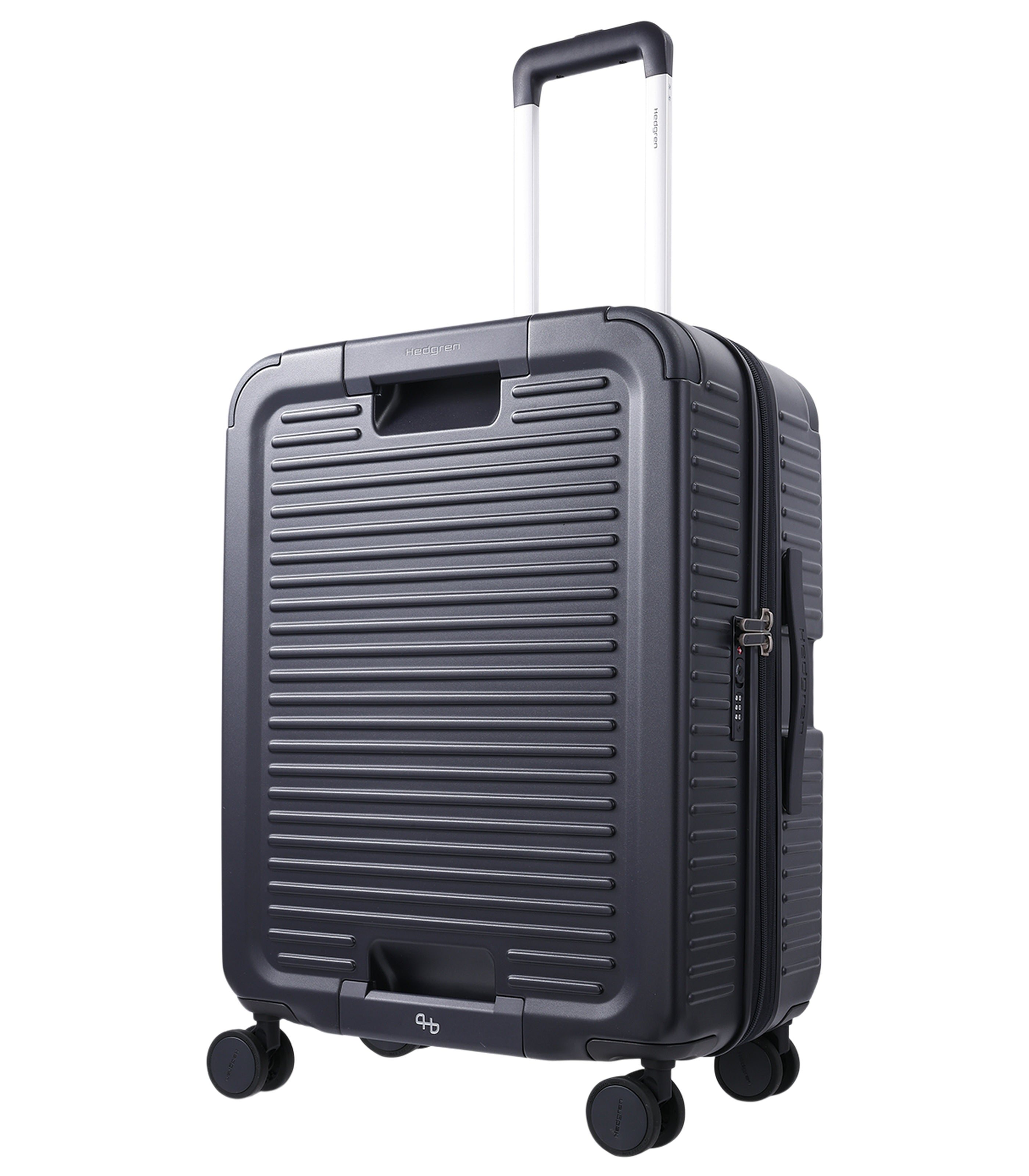
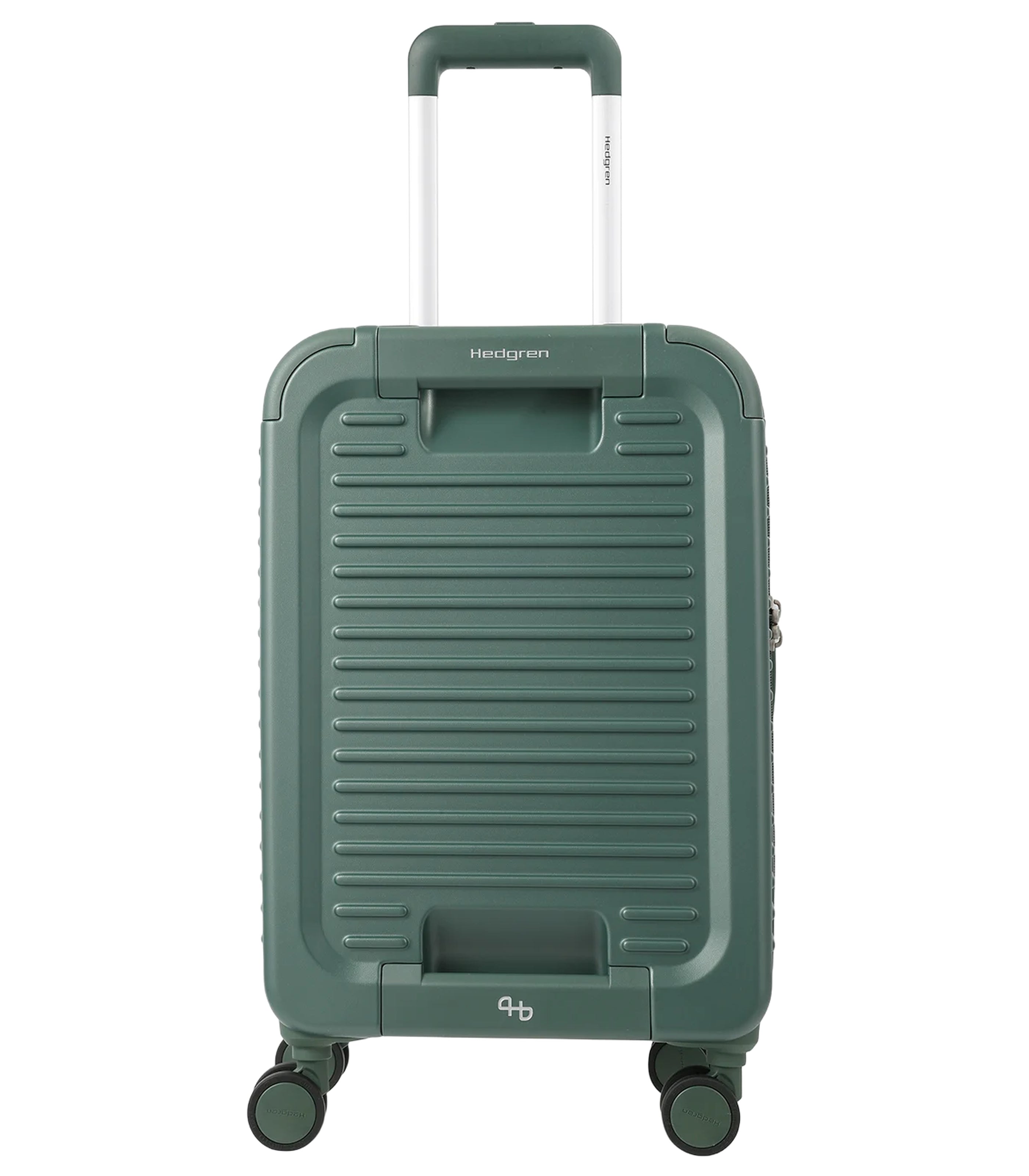
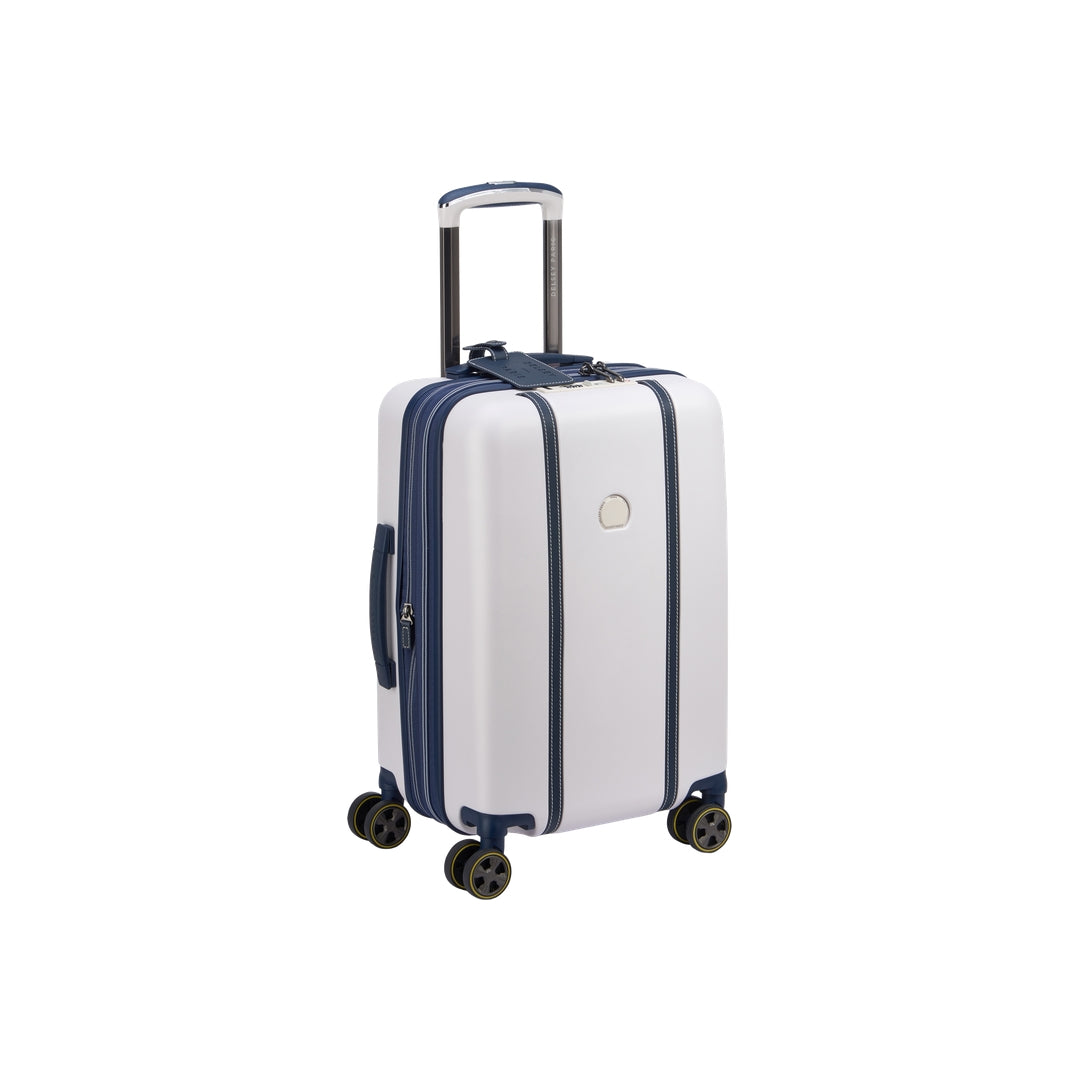
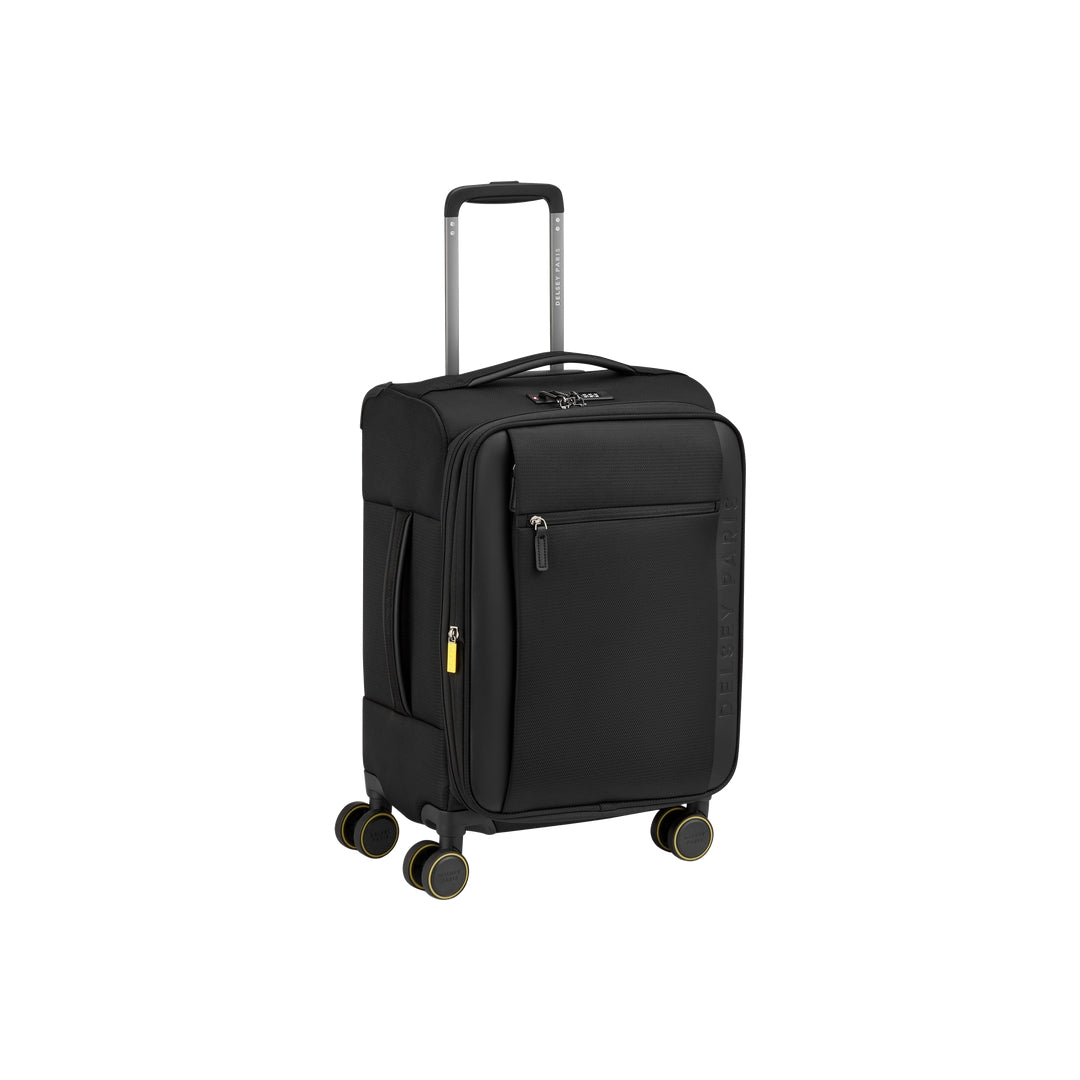
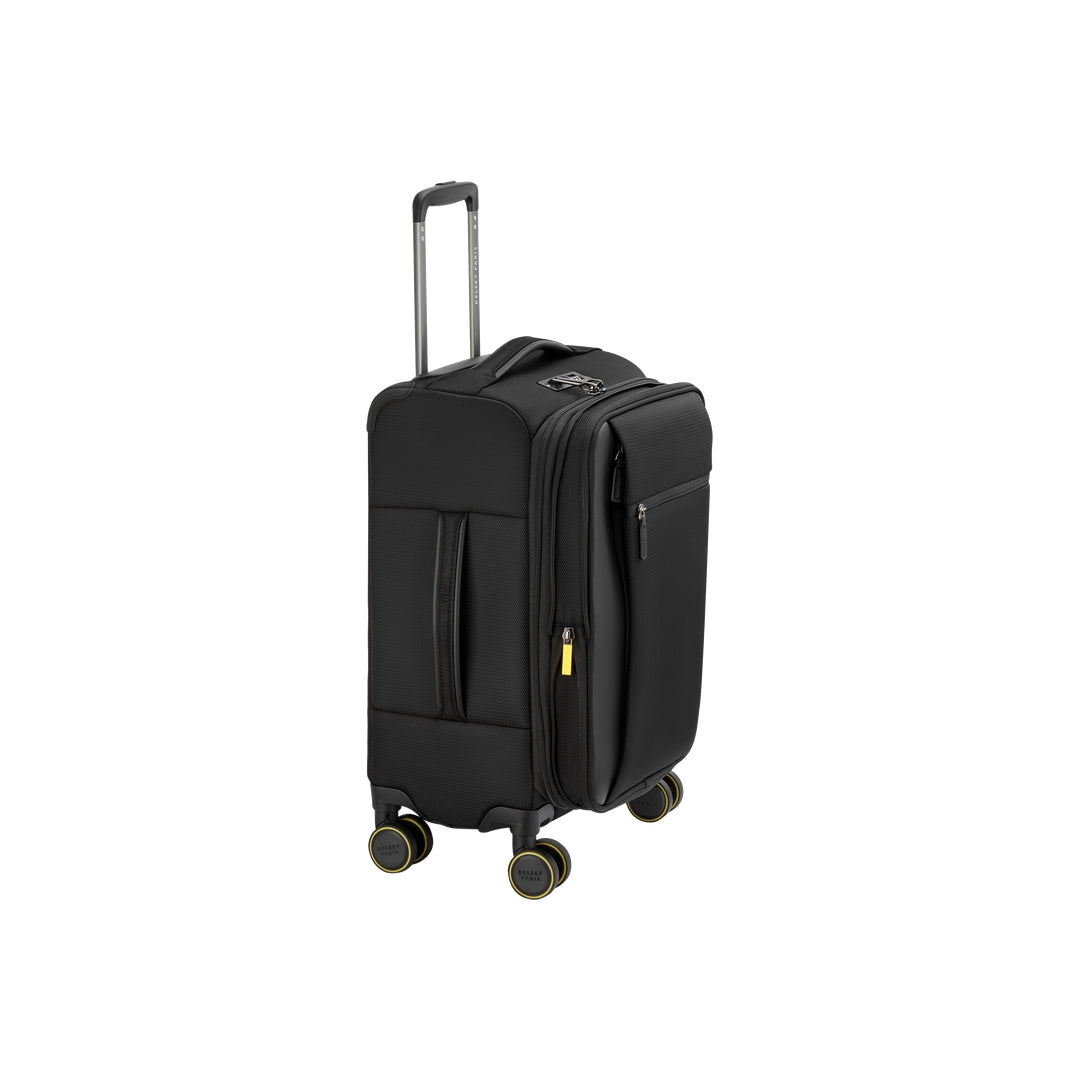
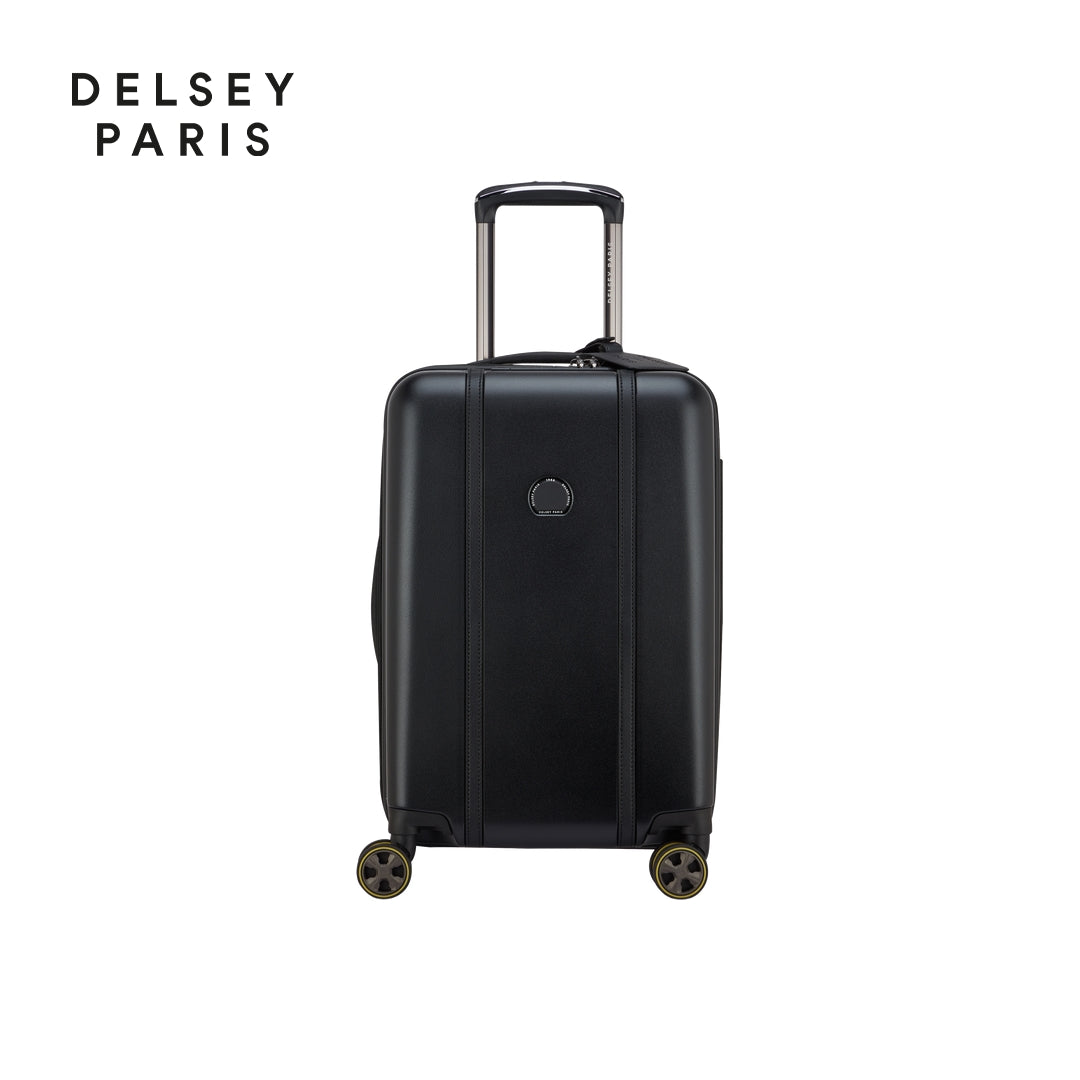
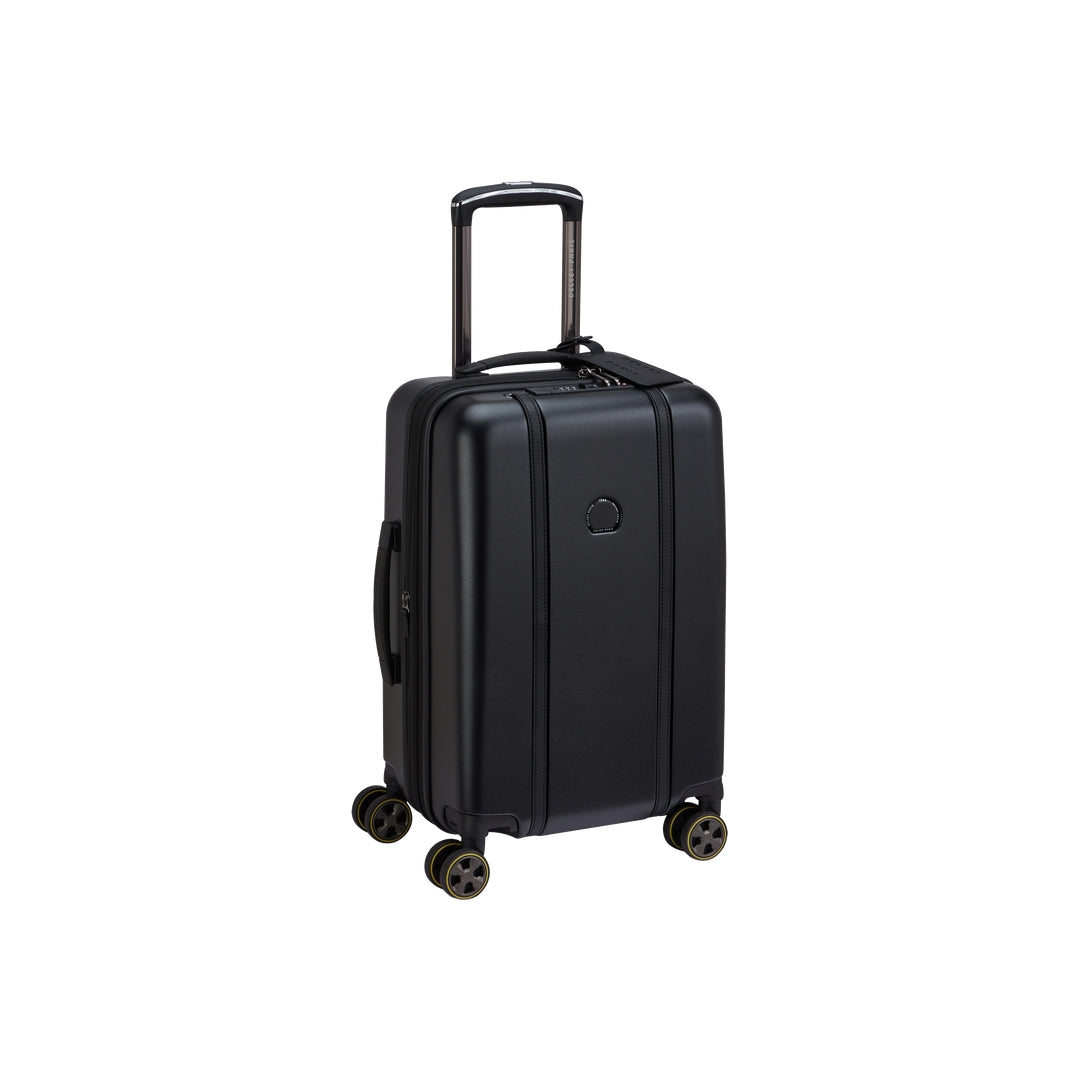
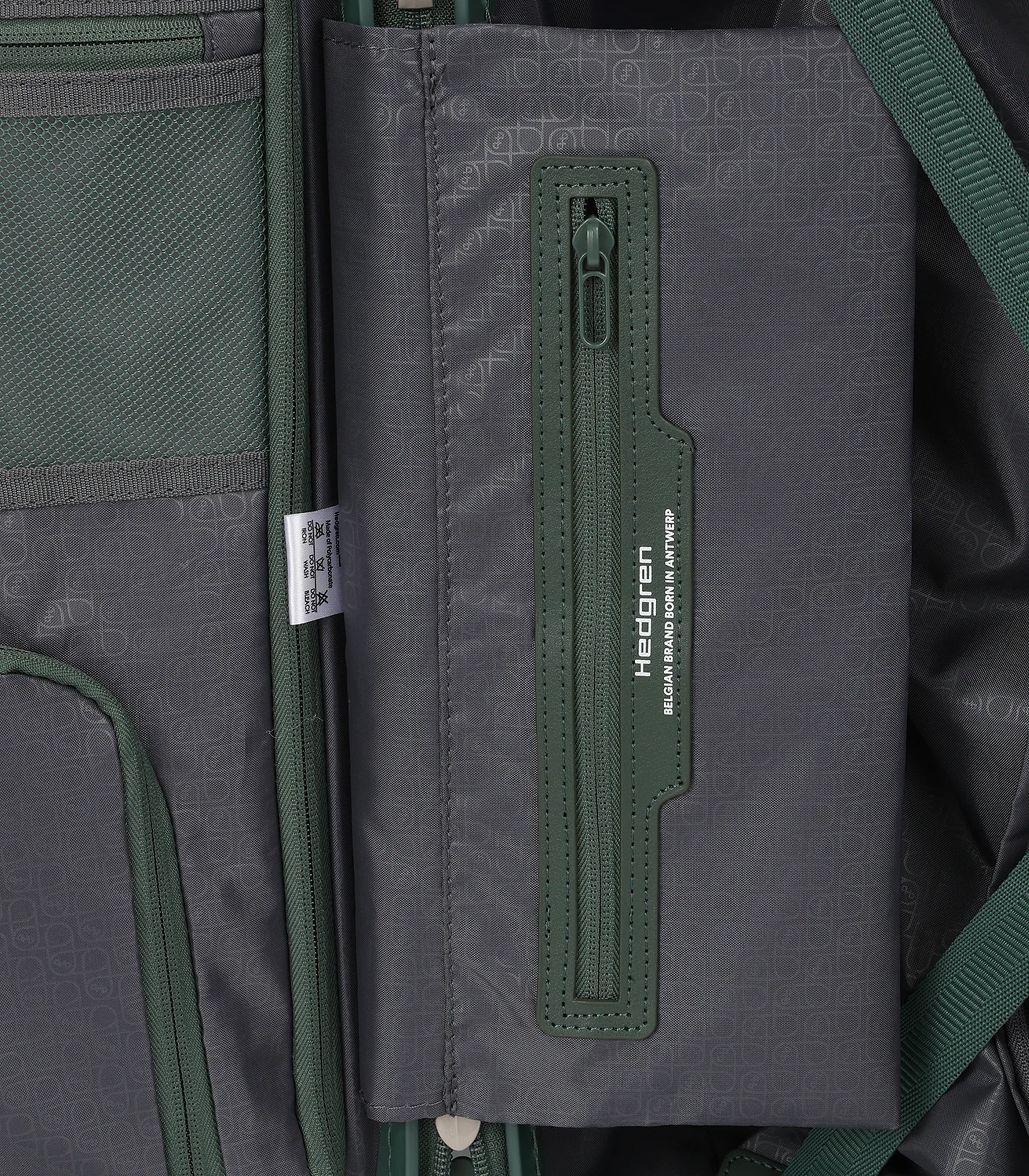
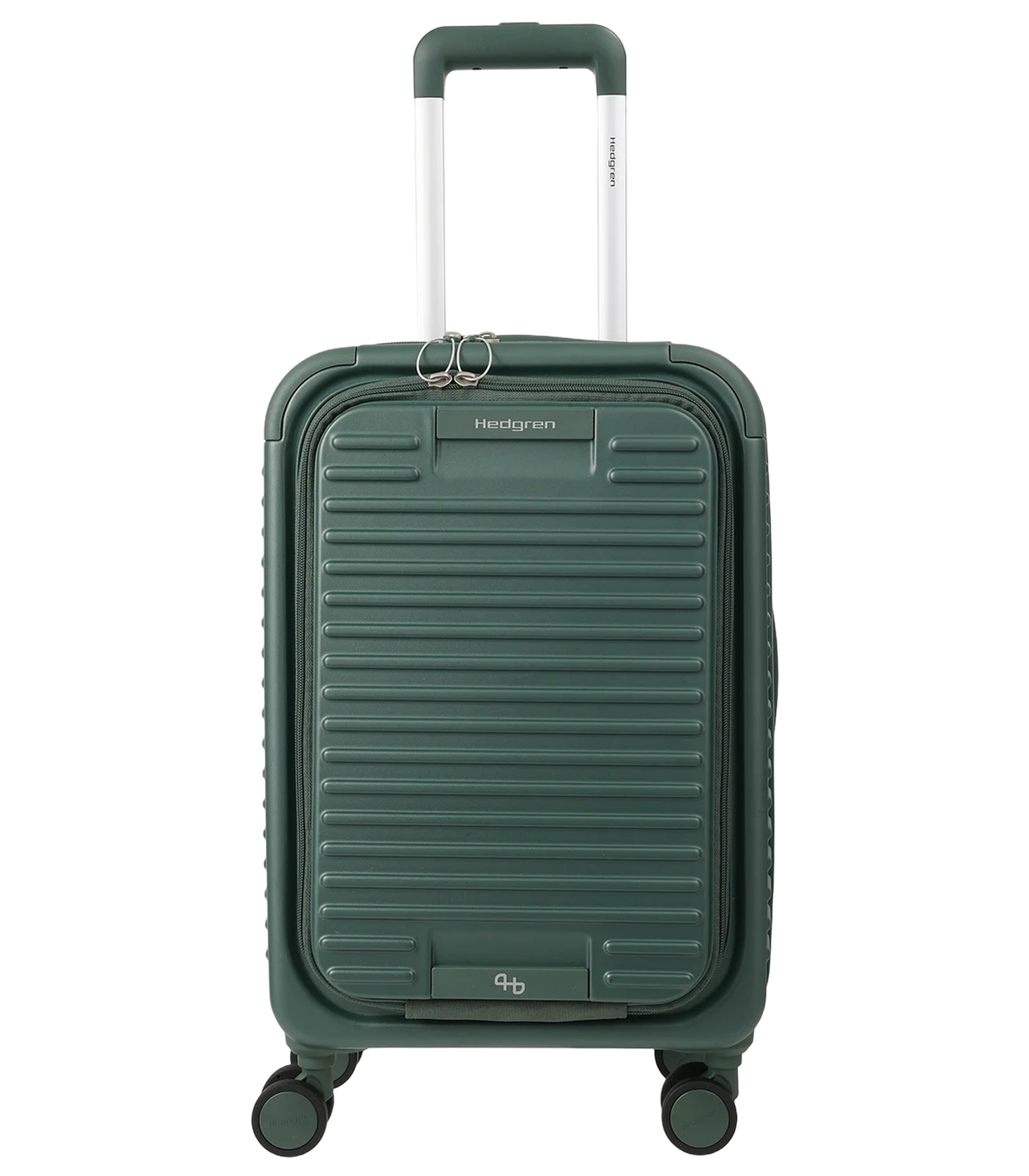
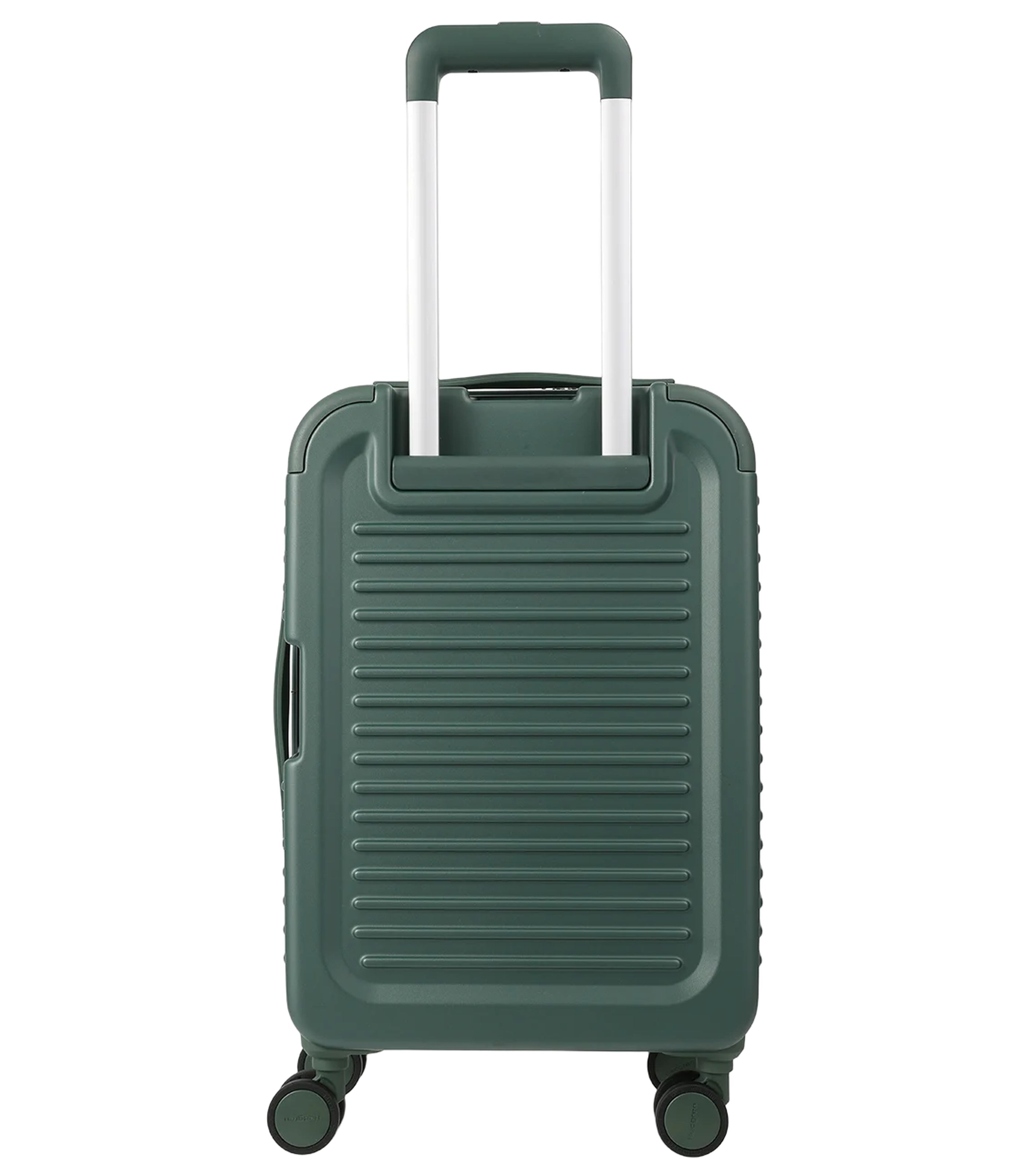
Luggage in the Philippines falls into three constructions: hard case, soft case, and trunk. The hard case protects with a rigid shell. The soft case flexes to fit more and squeezes into tight overhead bins. Trunks open flat like a wardrobe, built for long stays and heavy packing.
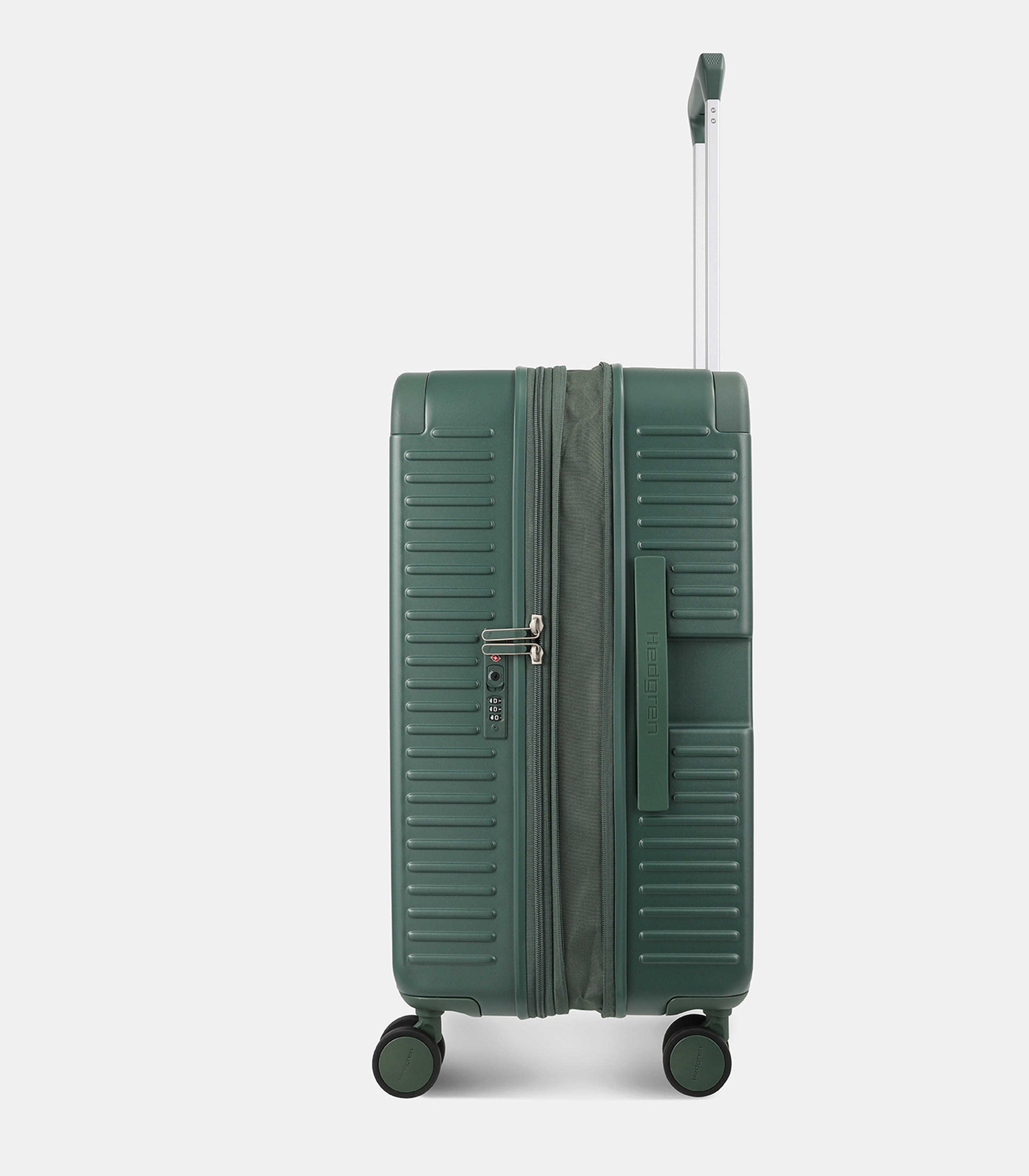
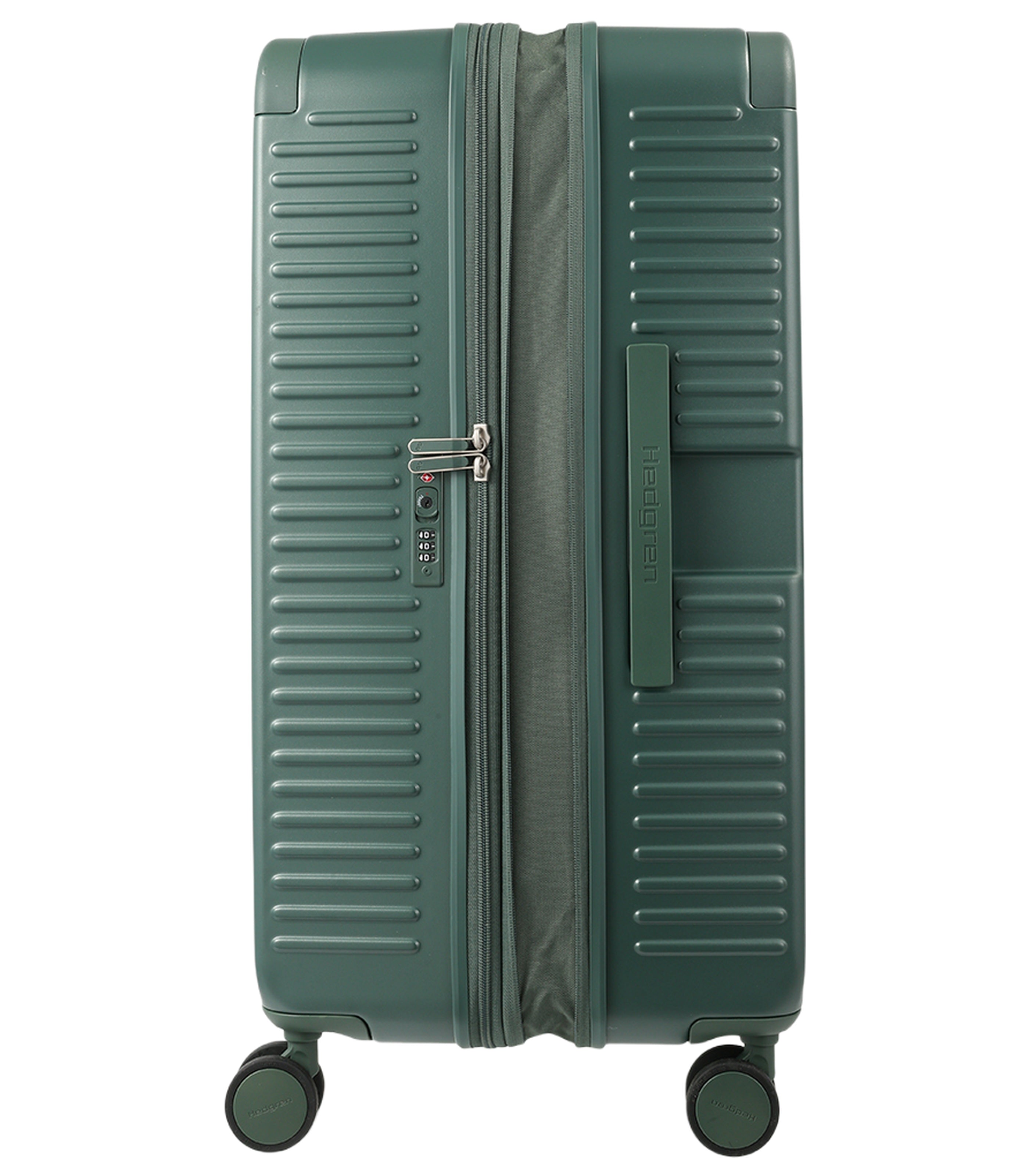
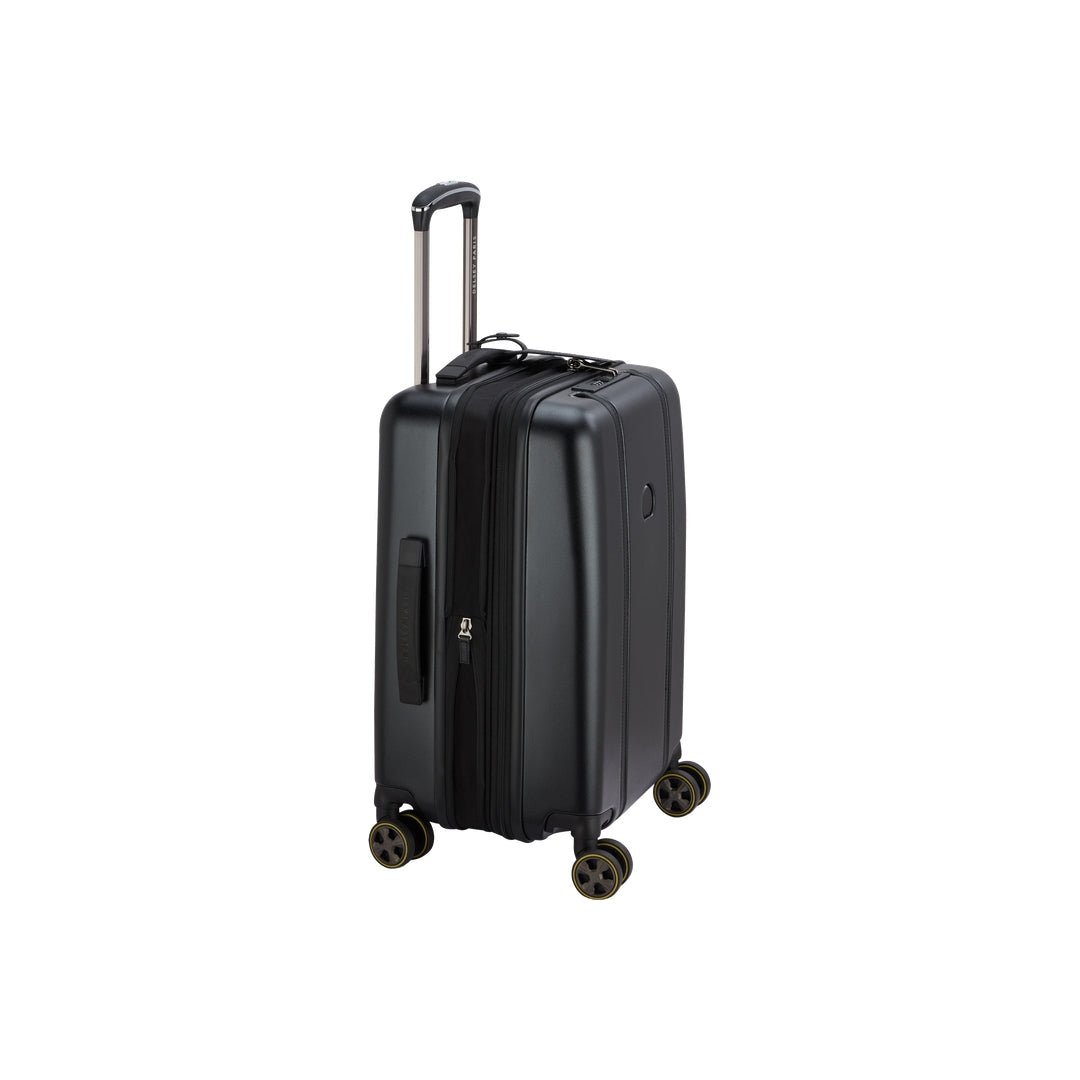
The size you need follows your trip, not your wardrobe. Cabin cases handle short trips that stay in the overhead bin. Medium cases cover about a week as checked baggage. Large cases and trunks carry family loads, extended stays, or the pasalubong run home. Most cases today roll on four-wheel spinners, and many expand by a zip gusset when you need the extra room.
Every suitcase we carry is sourced through official distribution, with local warranty and repairs handled here through Repair Hub. Coverage varies by brand.
Shop by Brand
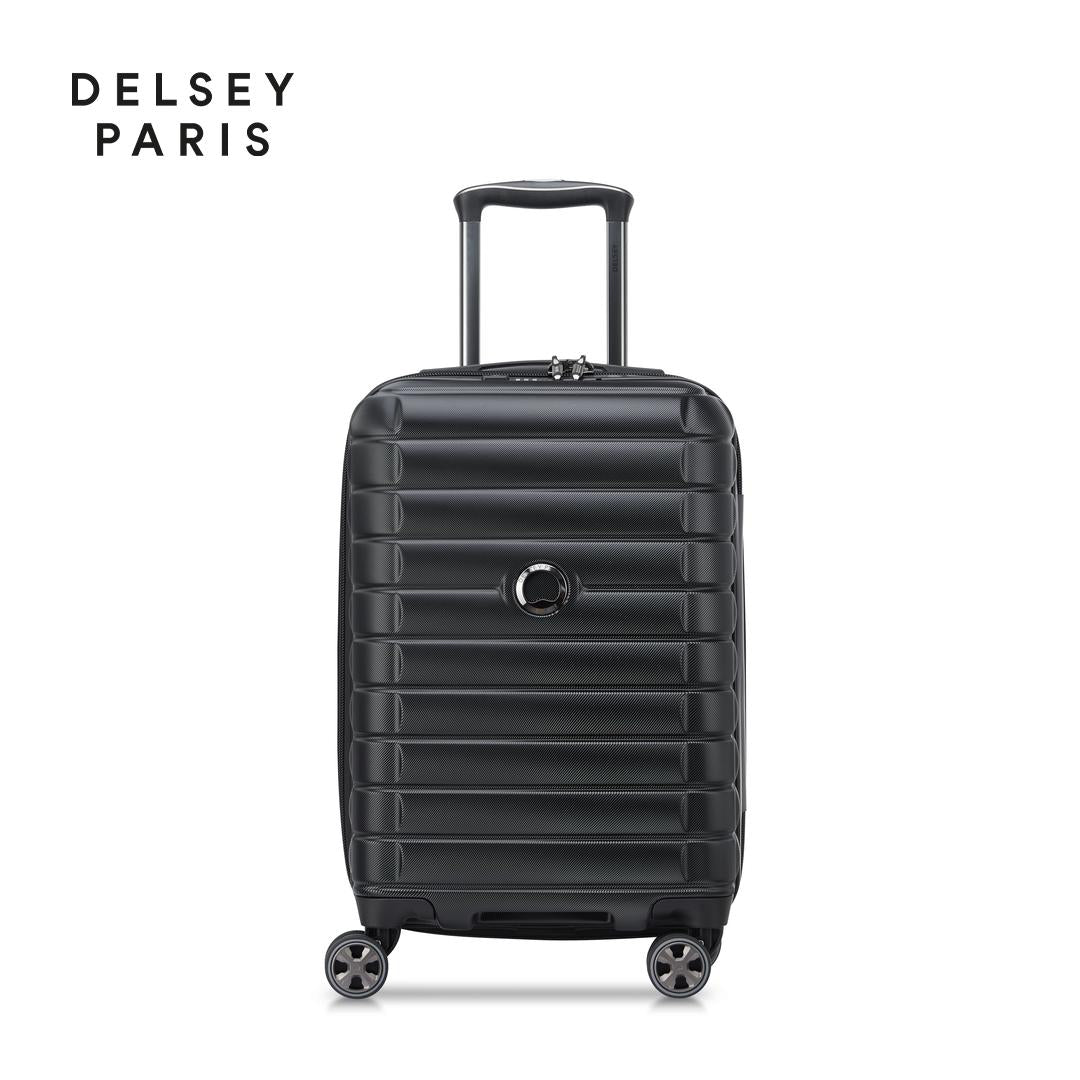
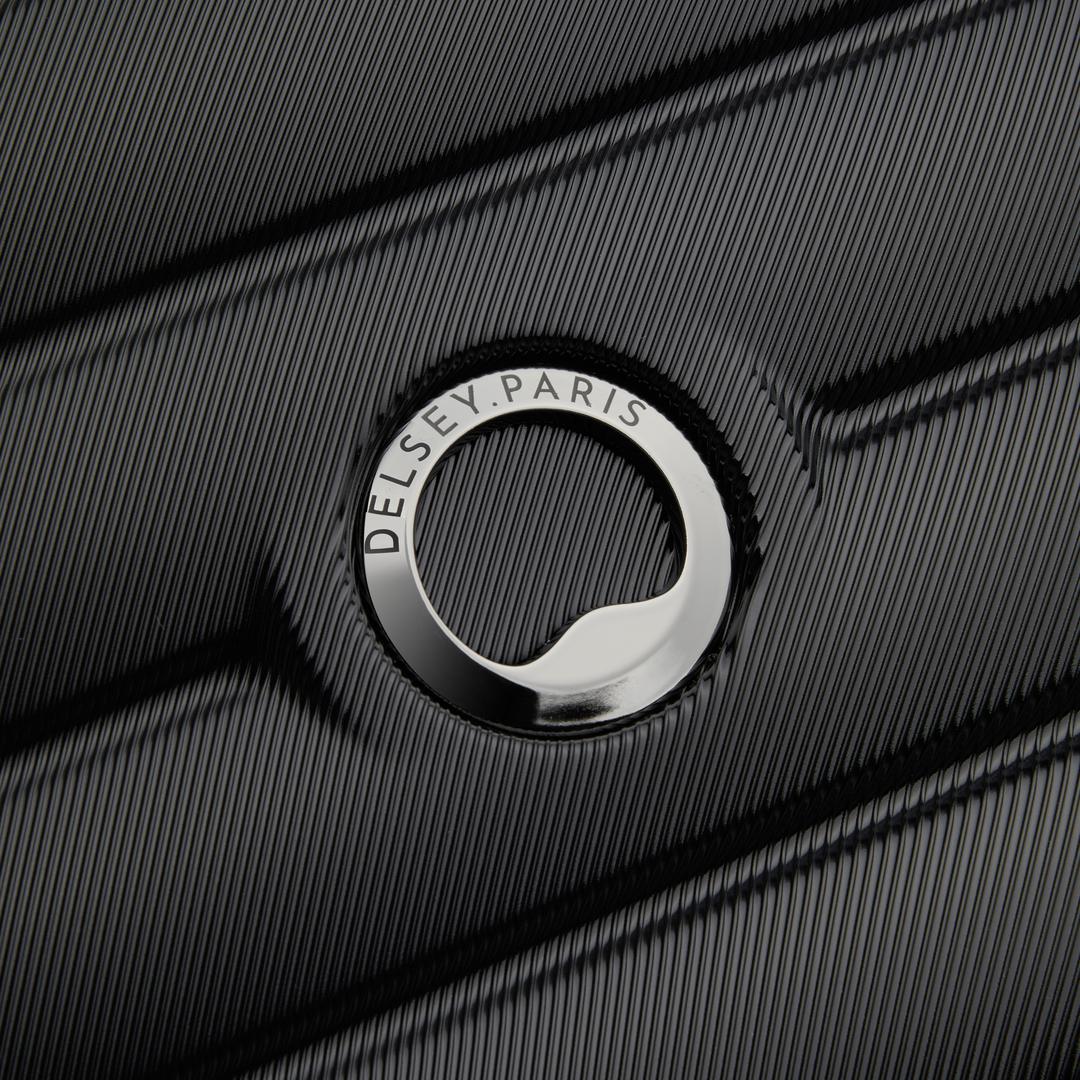
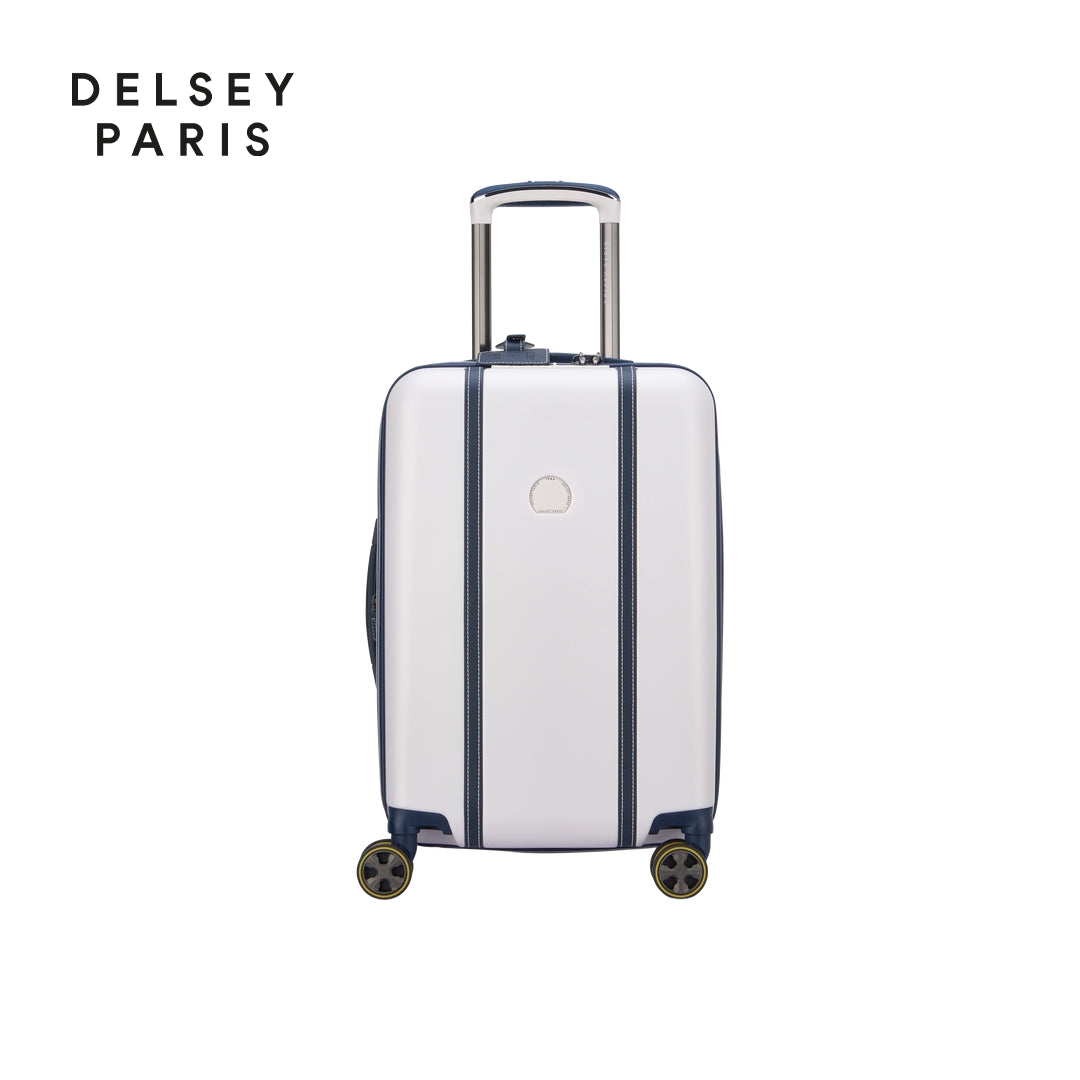
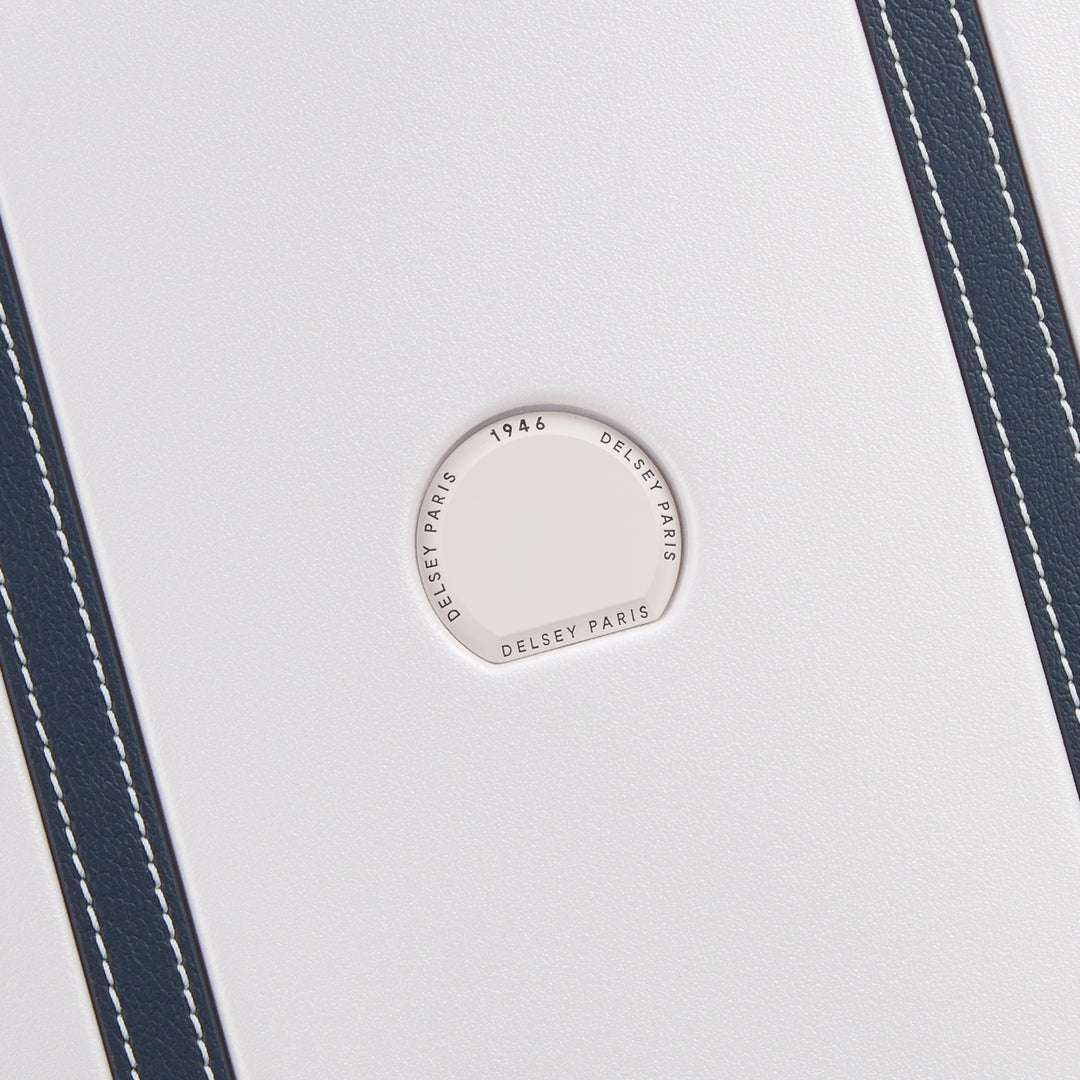
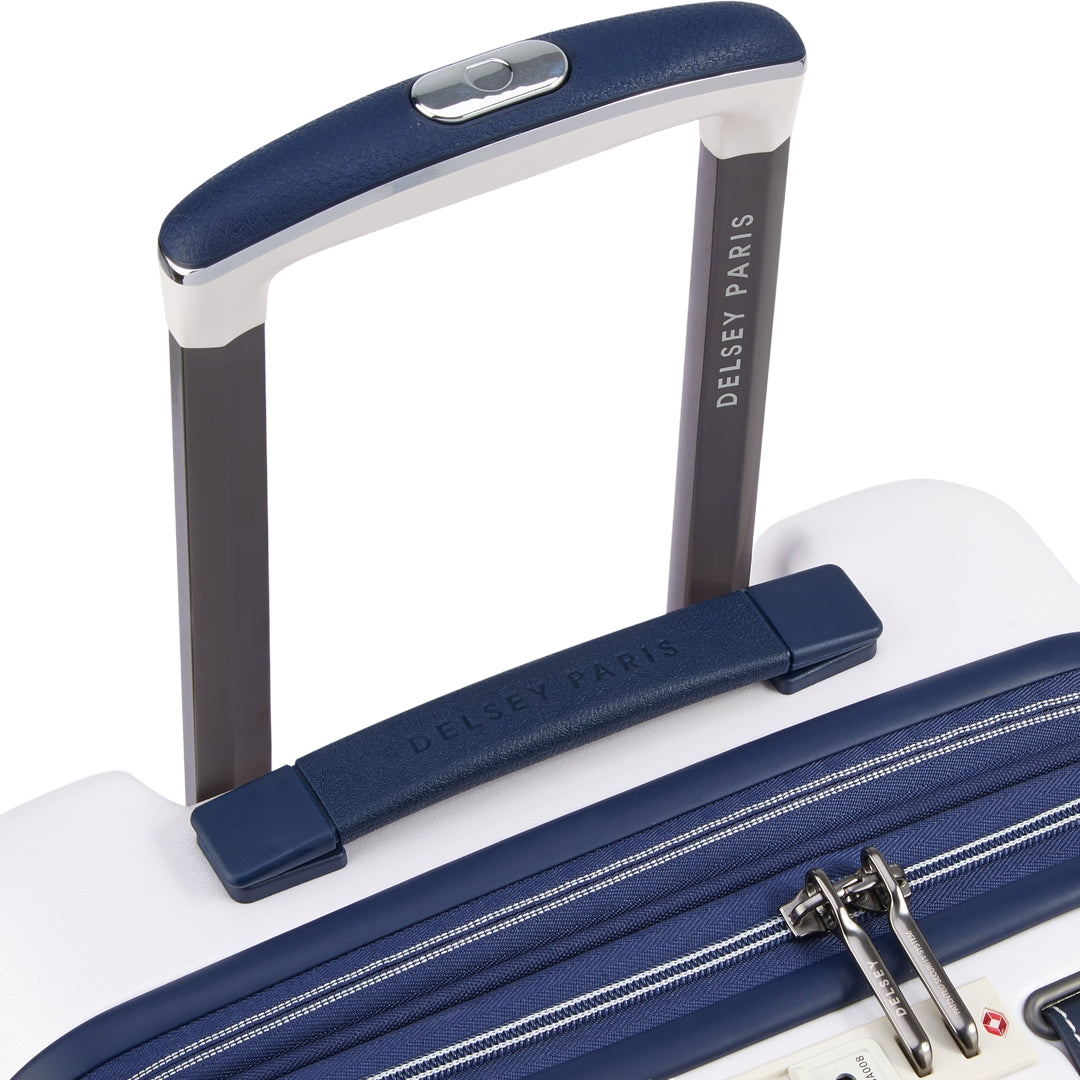
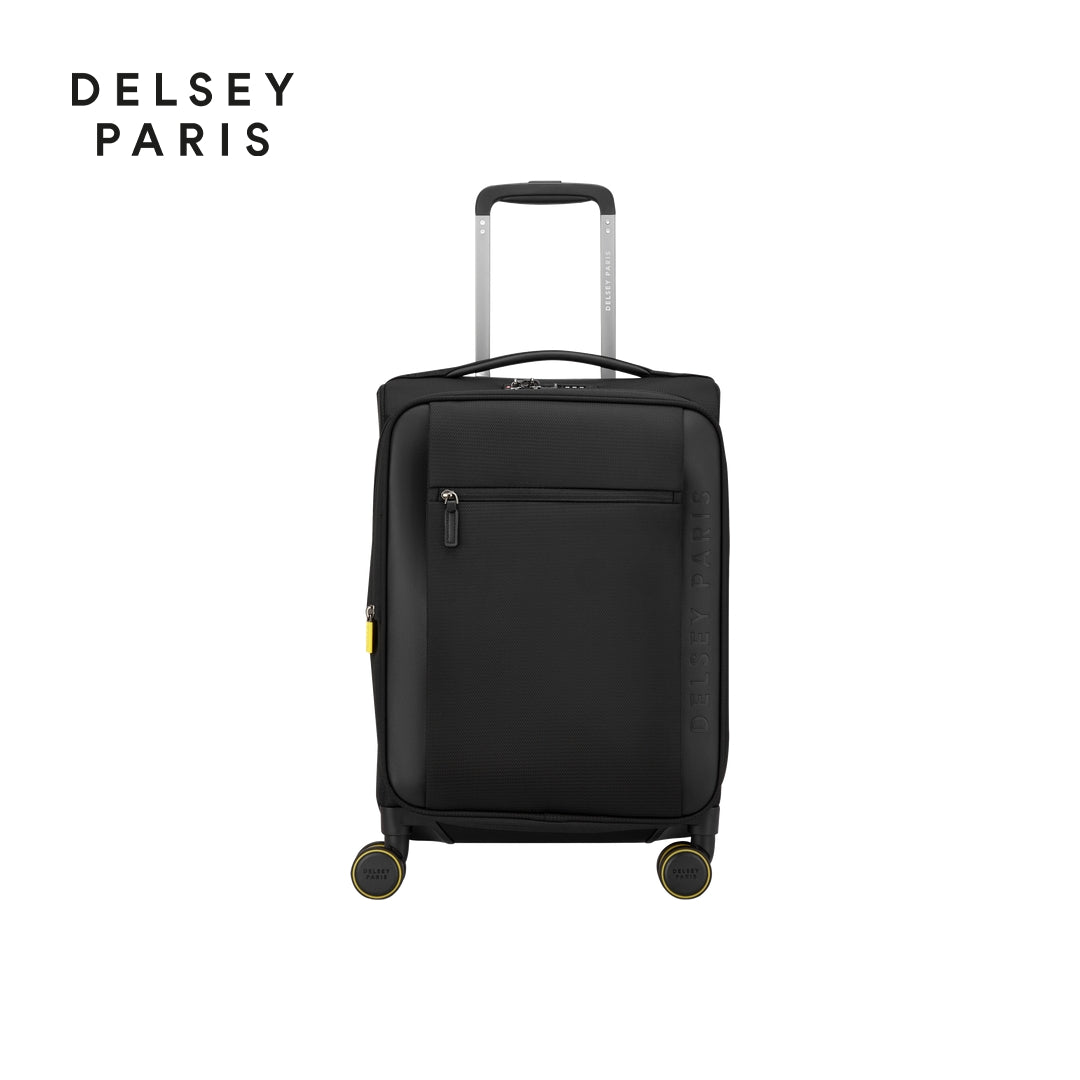
Delsey Paris · Herschel · Lojel · Traveler’s Choice · World Traveller












Buying Guide
Which luggage type suits how you travel?
Pick a hard case for protecting fragile items and keeping contents dry. Pick a soft case when you want to give in the bag, external pockets, and something that squeezes into a full overhead bin. Pick a trunk when you’re packing for weeks and want to unpack into it like a dresser. Most regular travellers end up with a hard case for flying and a soft bag for road trips.
Carry-on or checked: how do you choose?
Carry on when your trip is short enough to pack light and you can’t afford to lose the bag. Check a bag when you need more than a few days of clothes or you’re carrying liquids over the cabin limit. Cabin dimensions and weight caps are set by each airline and change from time to time, so confirm your carrier’s current allowance before you fly.
How many suitcases do you actually need?
Two pieces cover most travellers: a cabin case for short trips and a medium case for the week-long ones. Add a large case or trunk only if you regularly travel as a family or move things between countries. Buying pieces one at a time lets you match each to a real trip instead of guessing at sizes you may never use.
What to check before you buy
● Empty weight: every kilo of the case itself is a kilo off your baggage allowance.
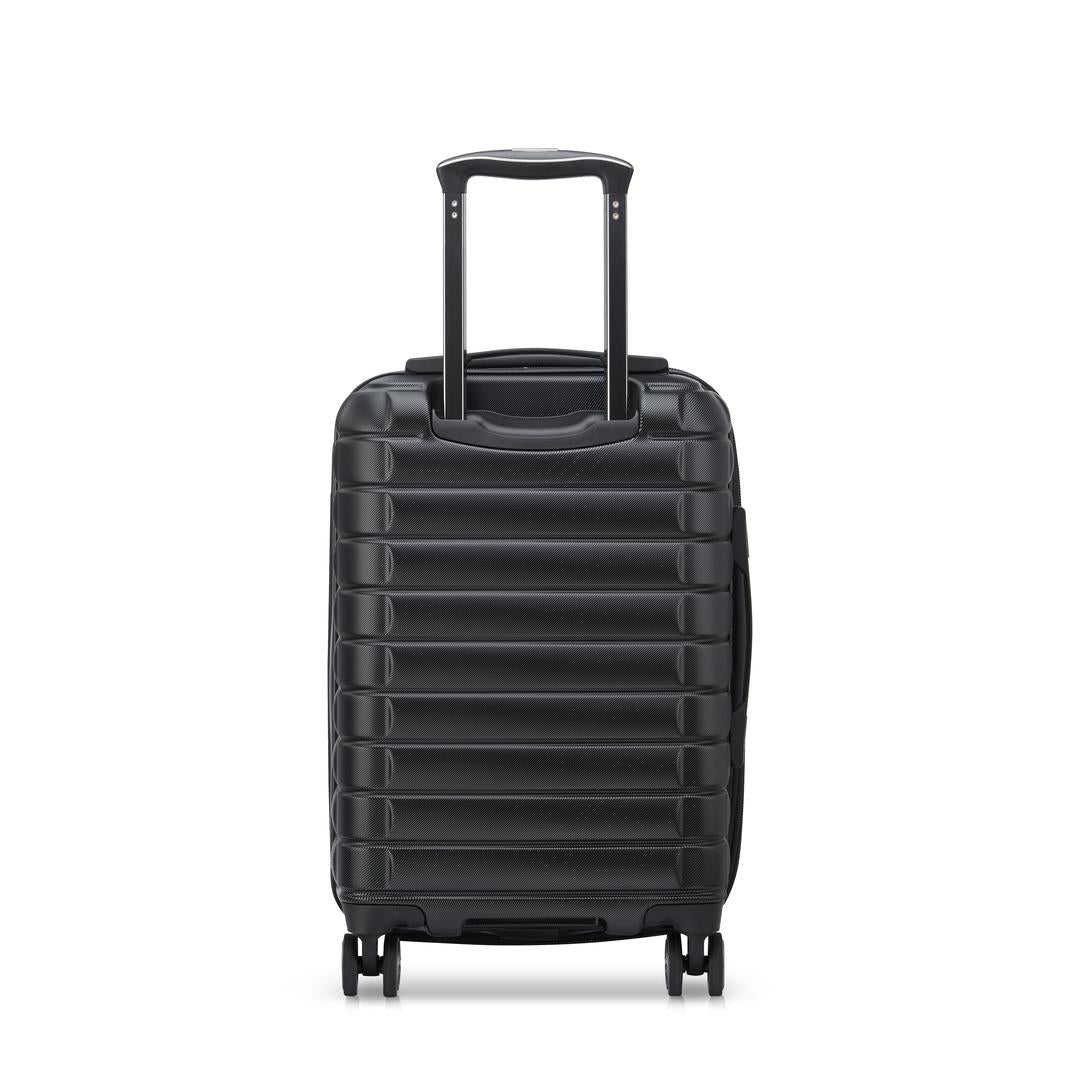
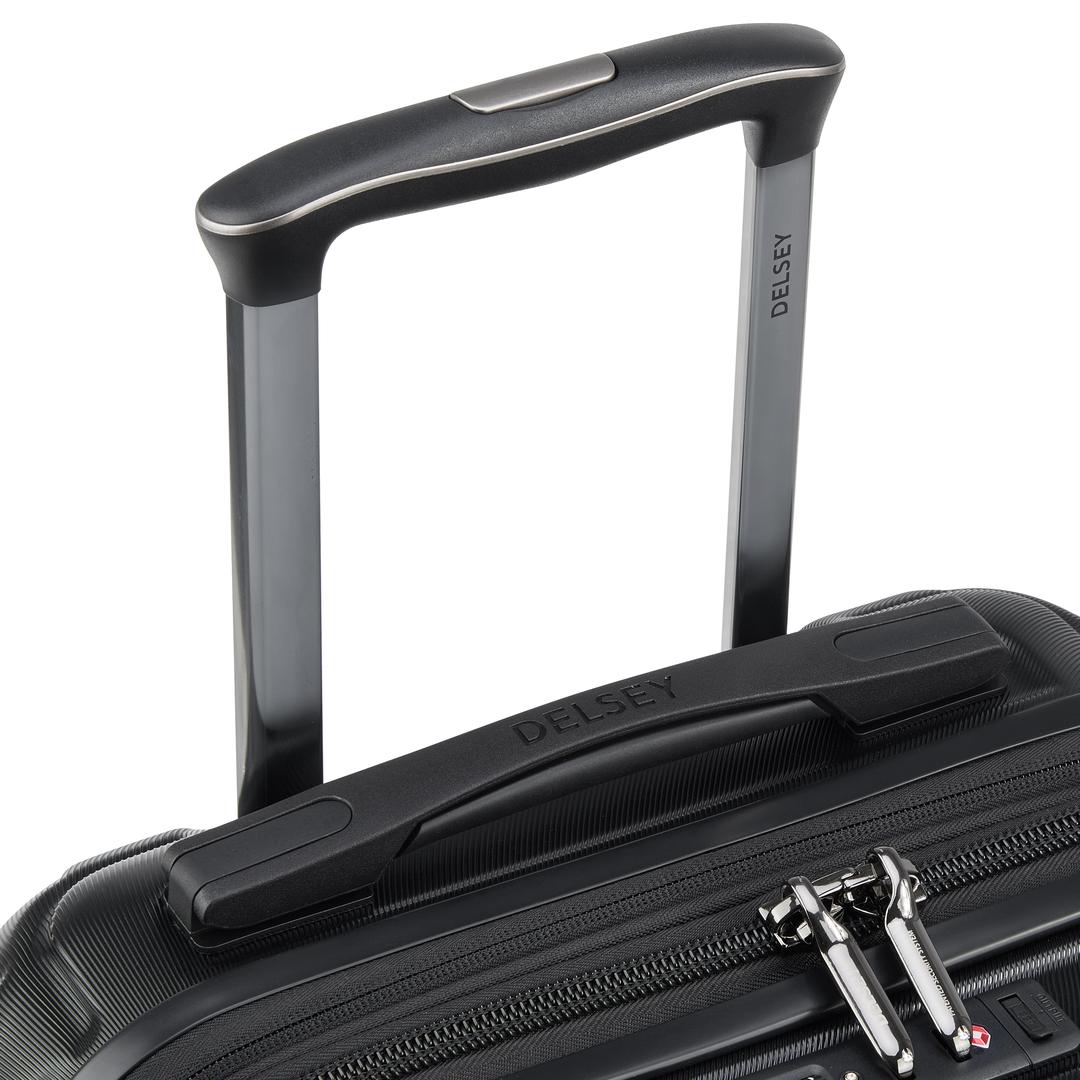
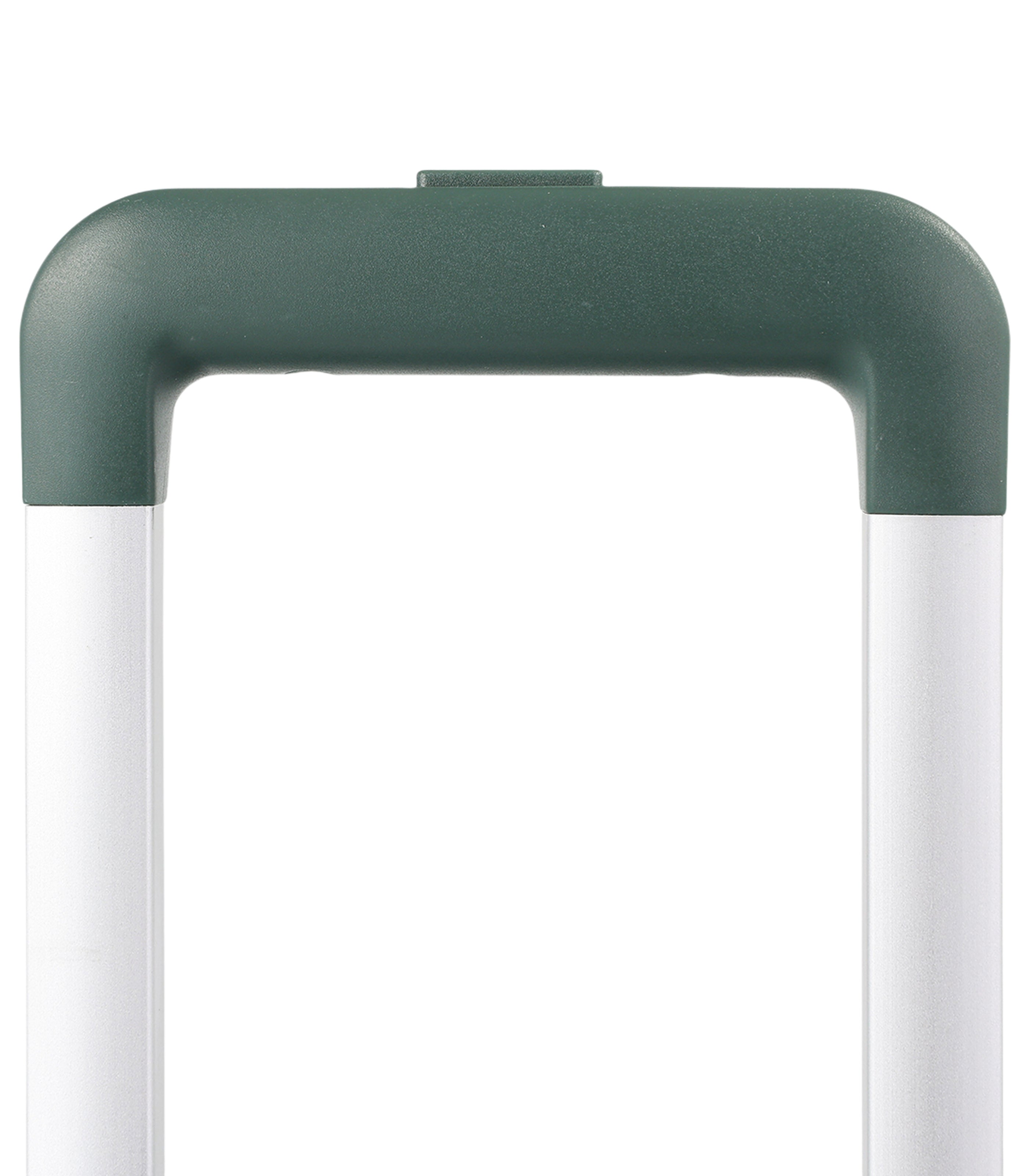
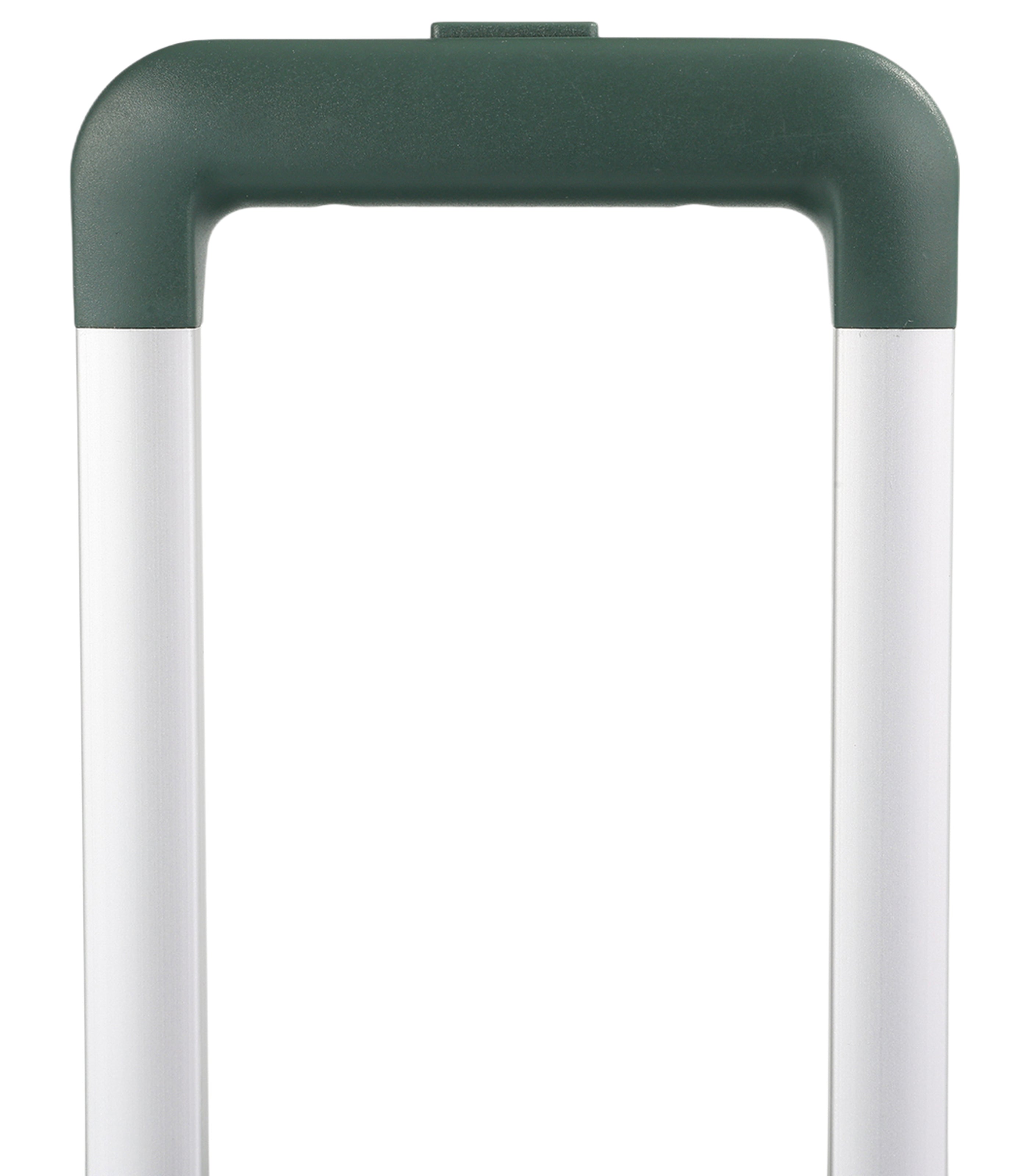
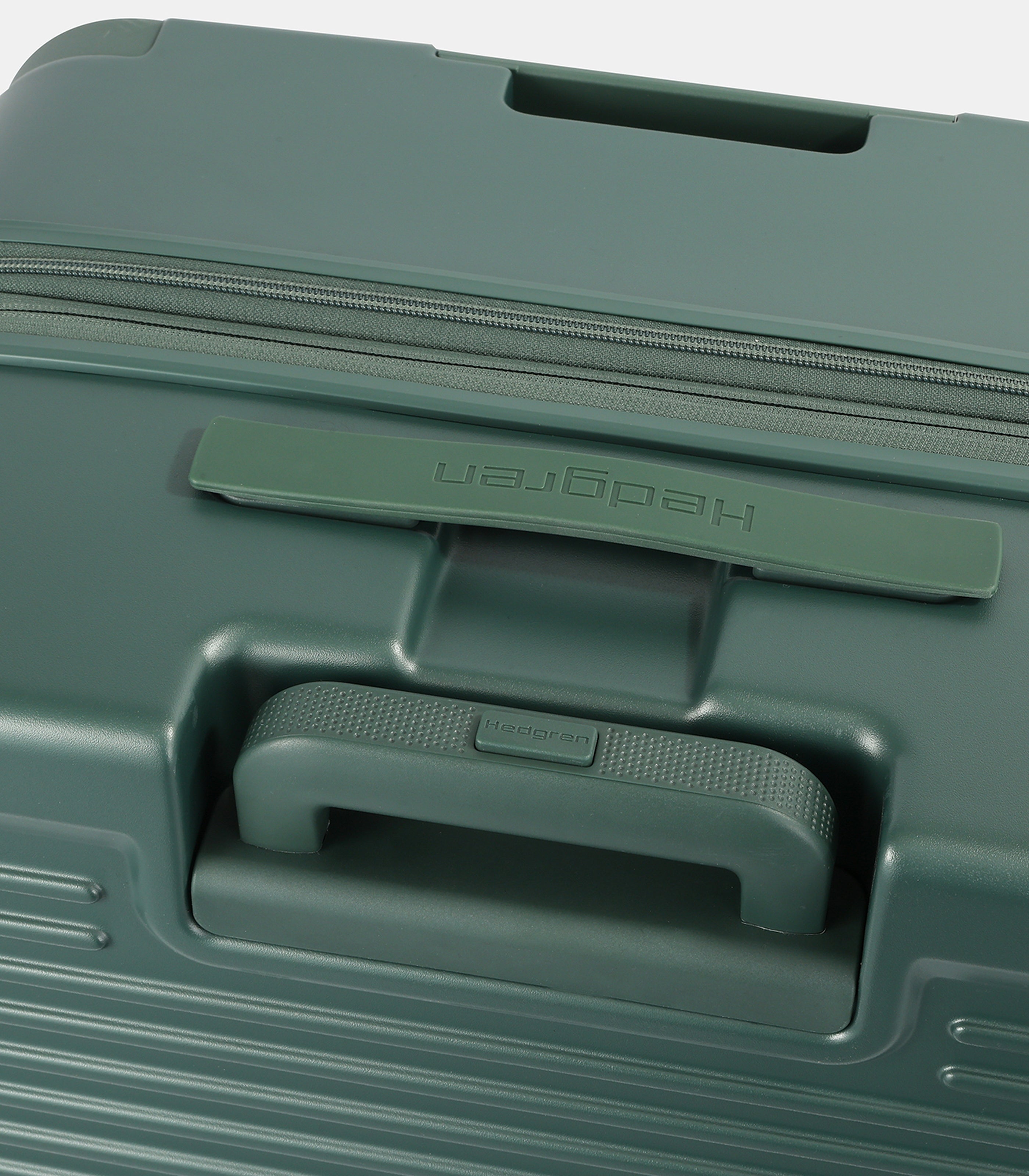
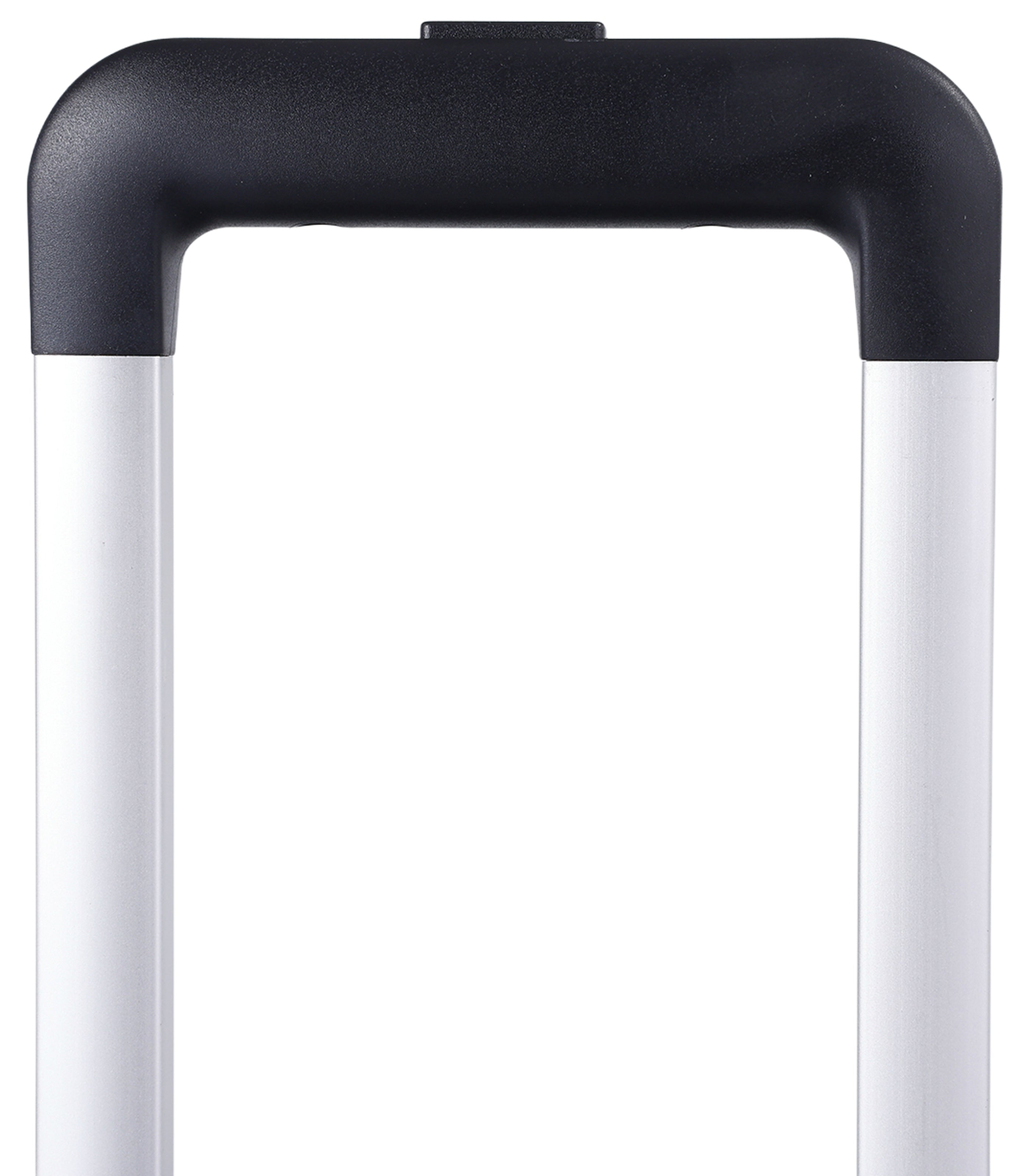
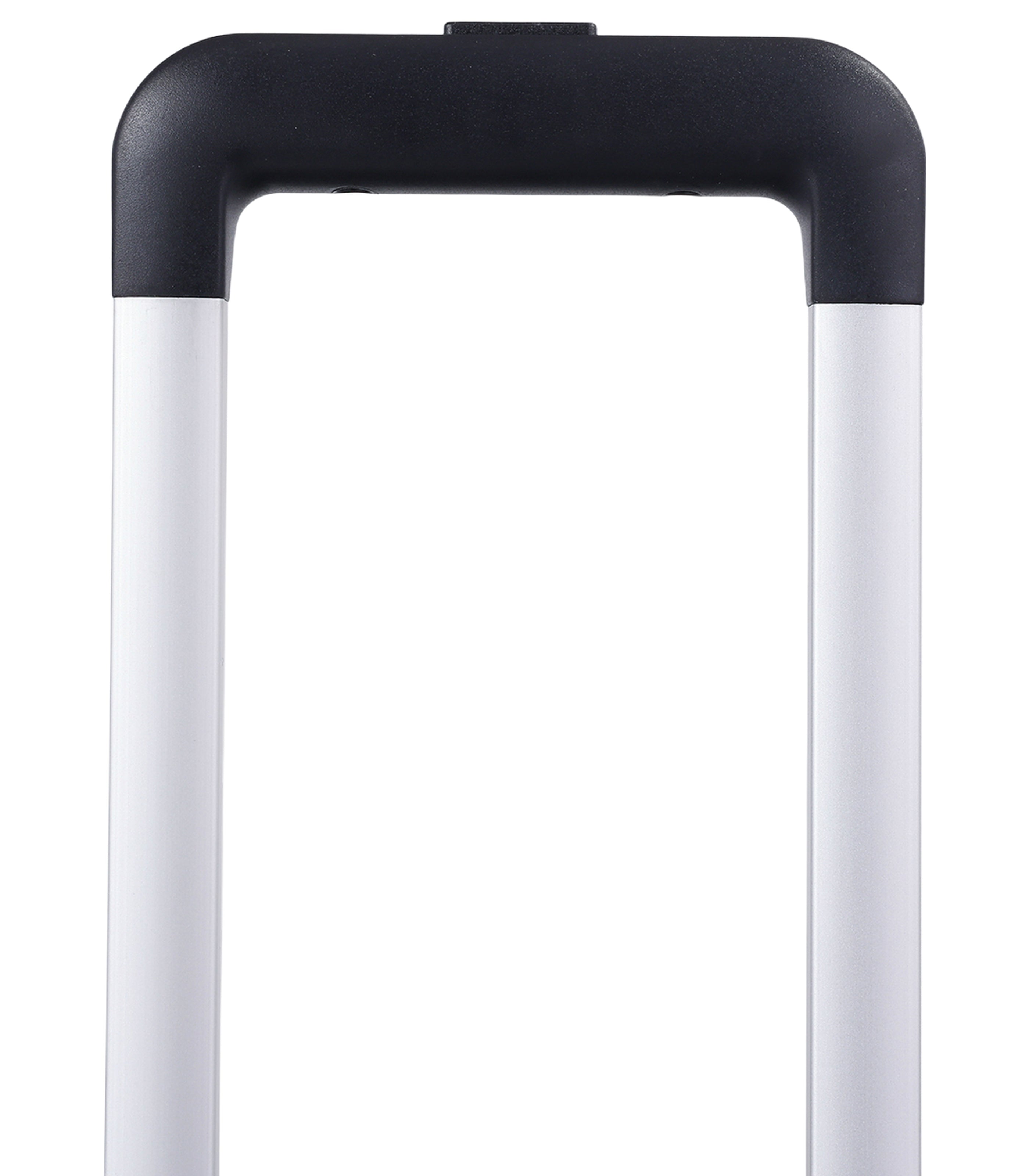
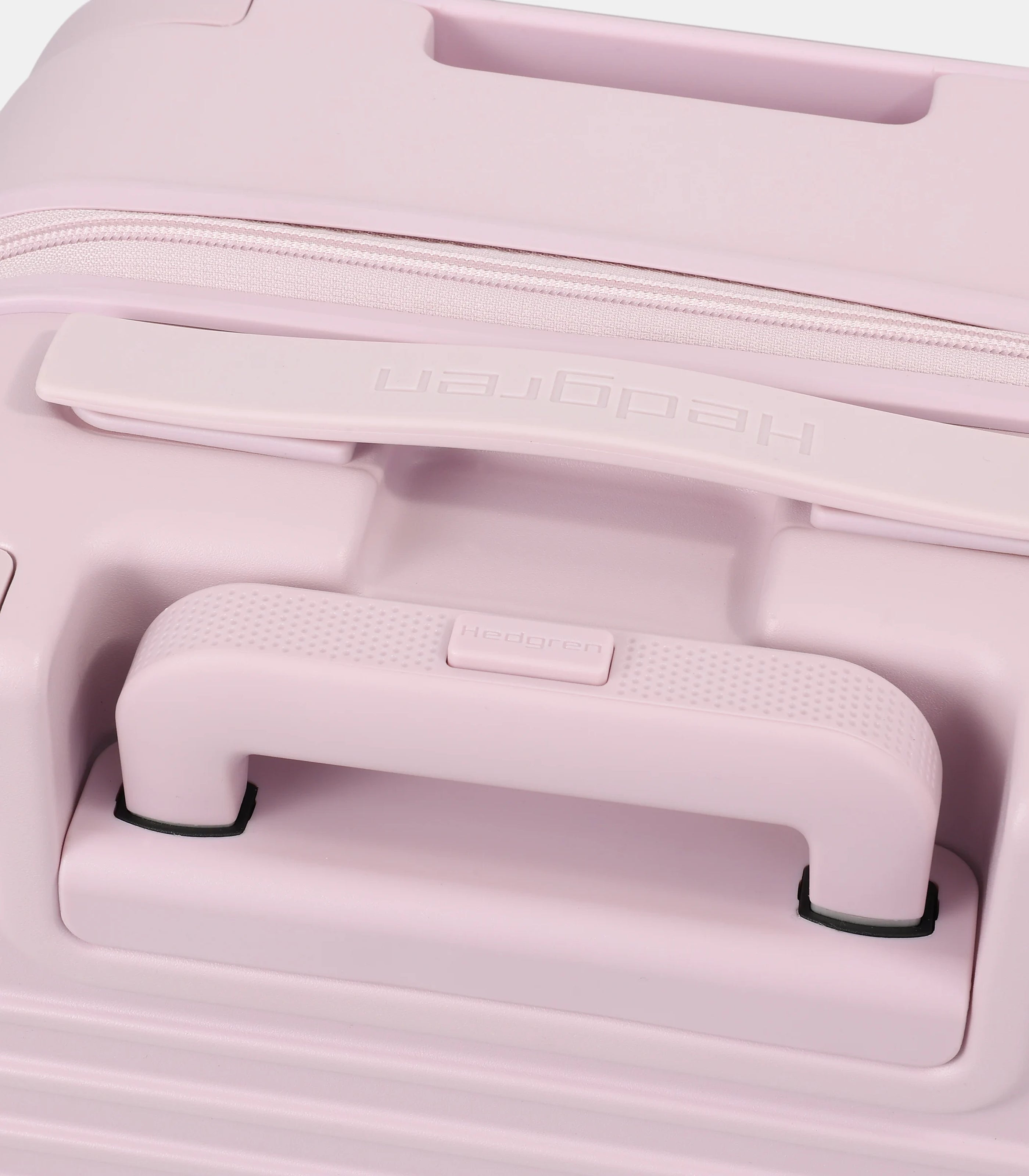
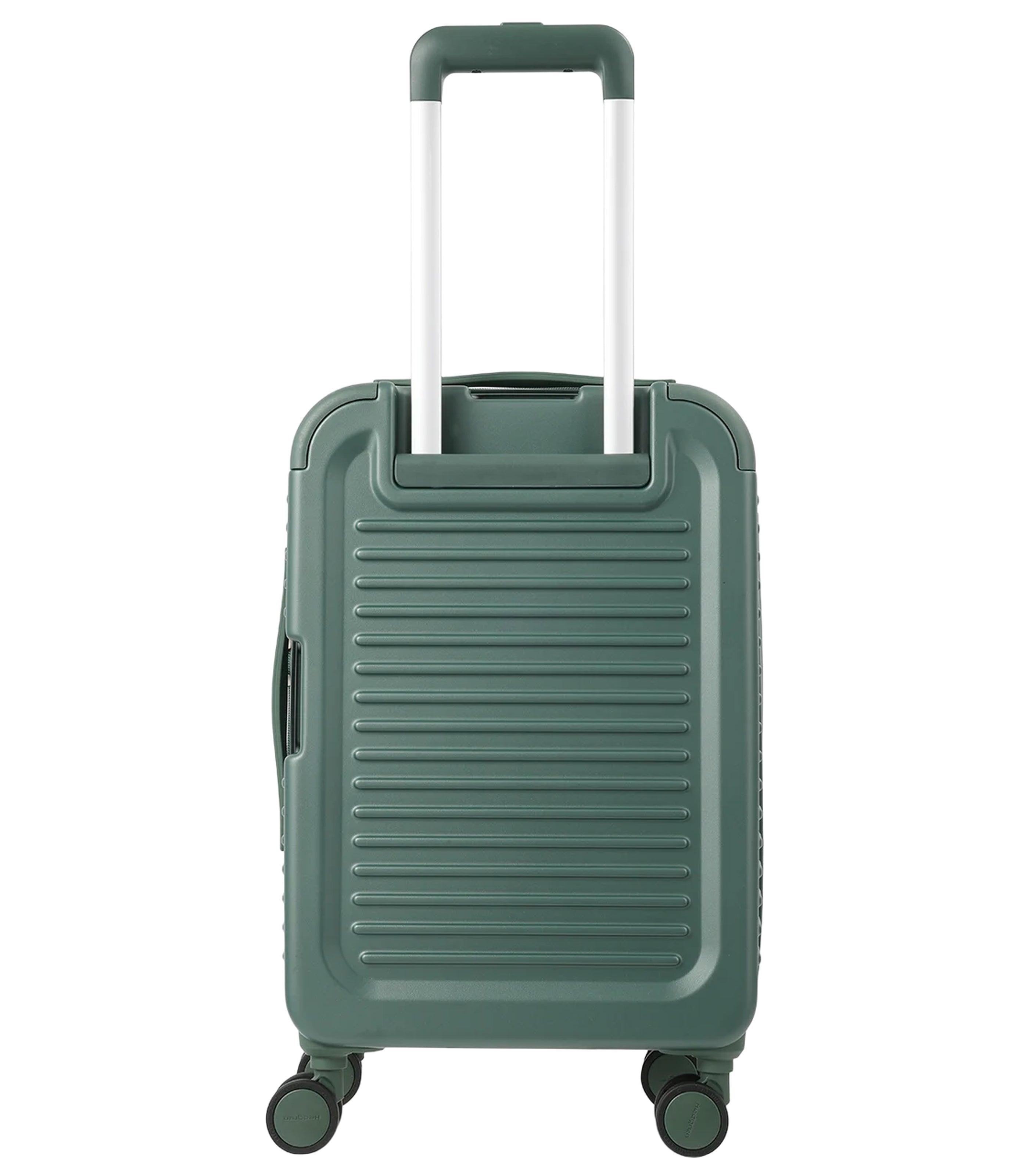
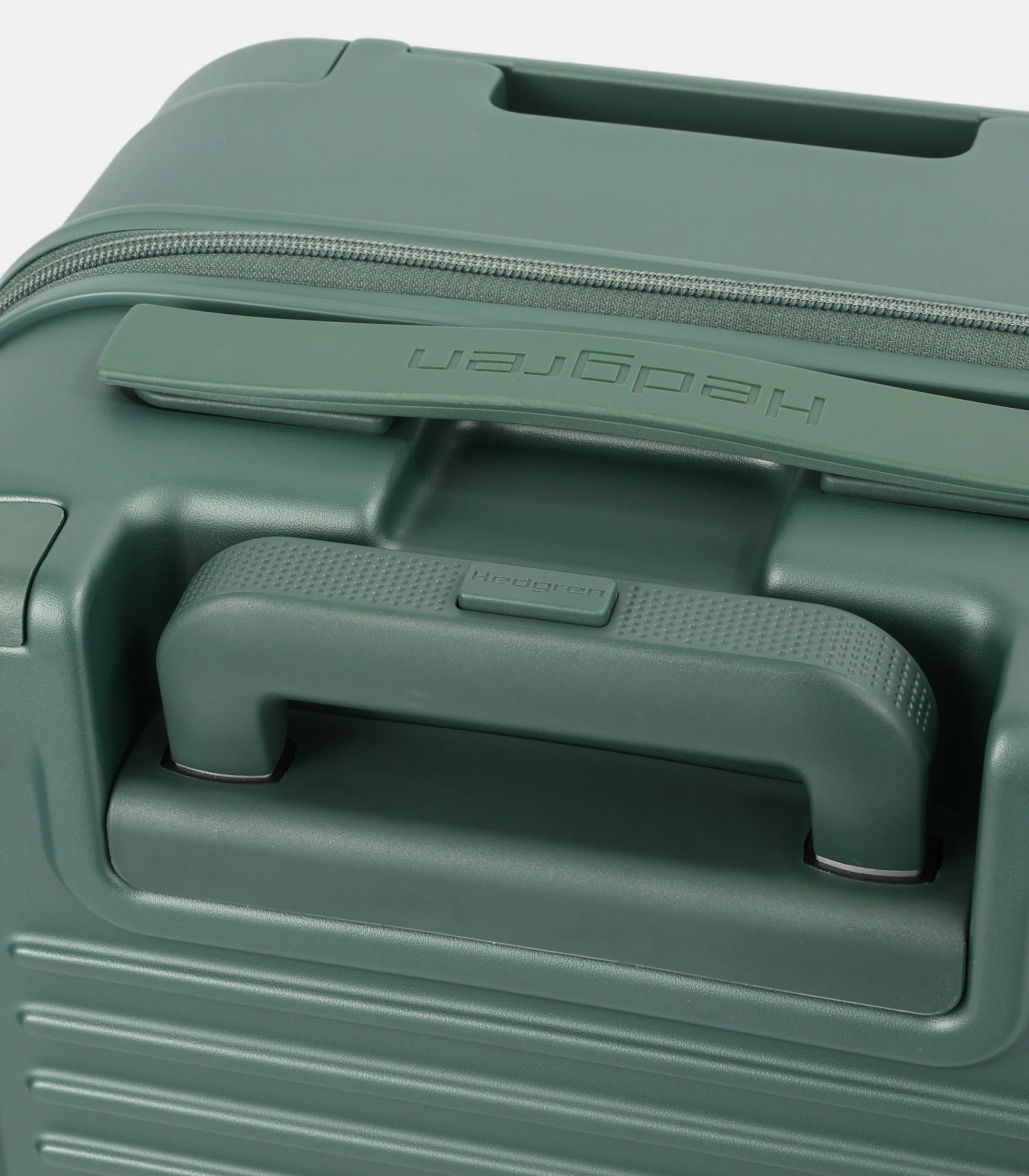
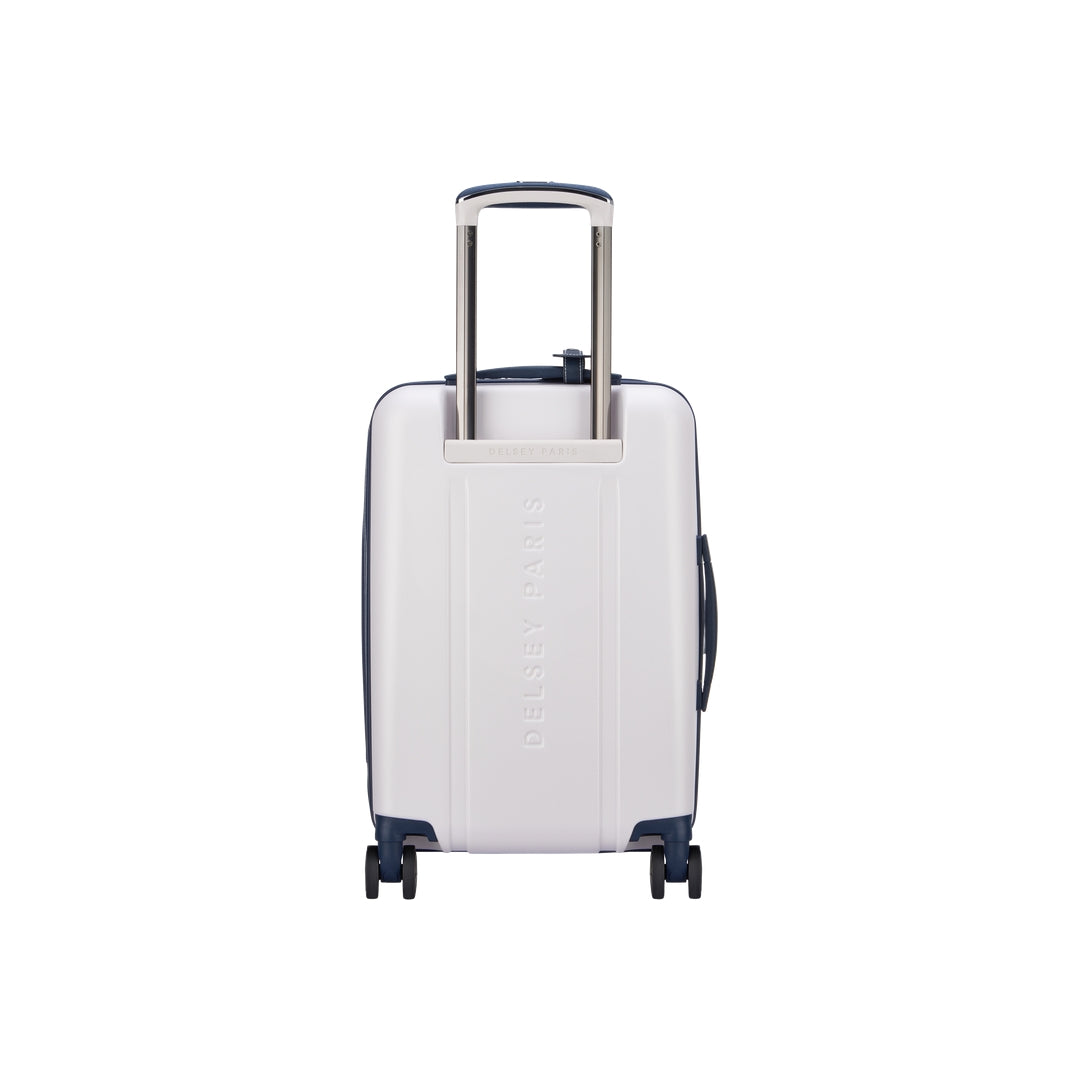
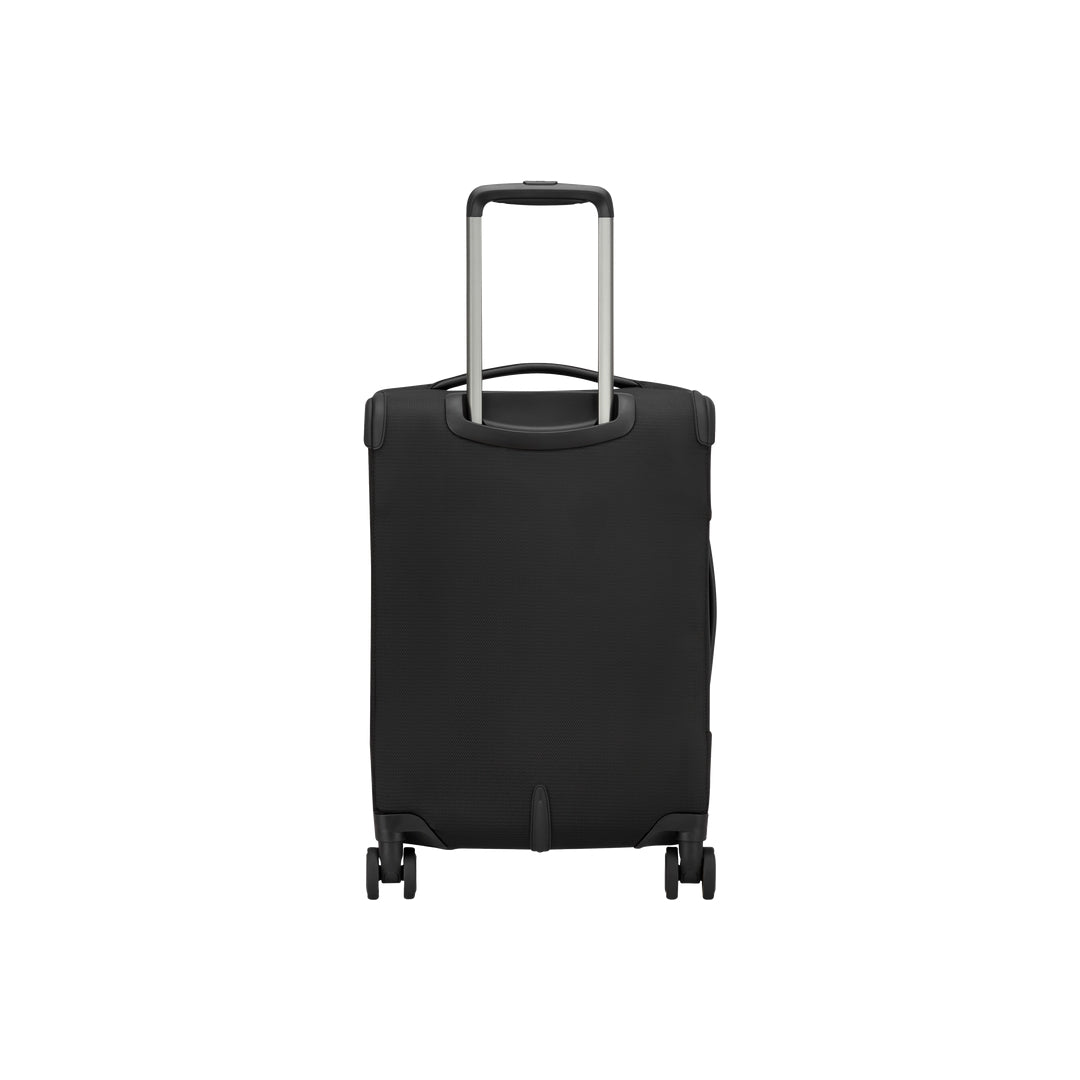
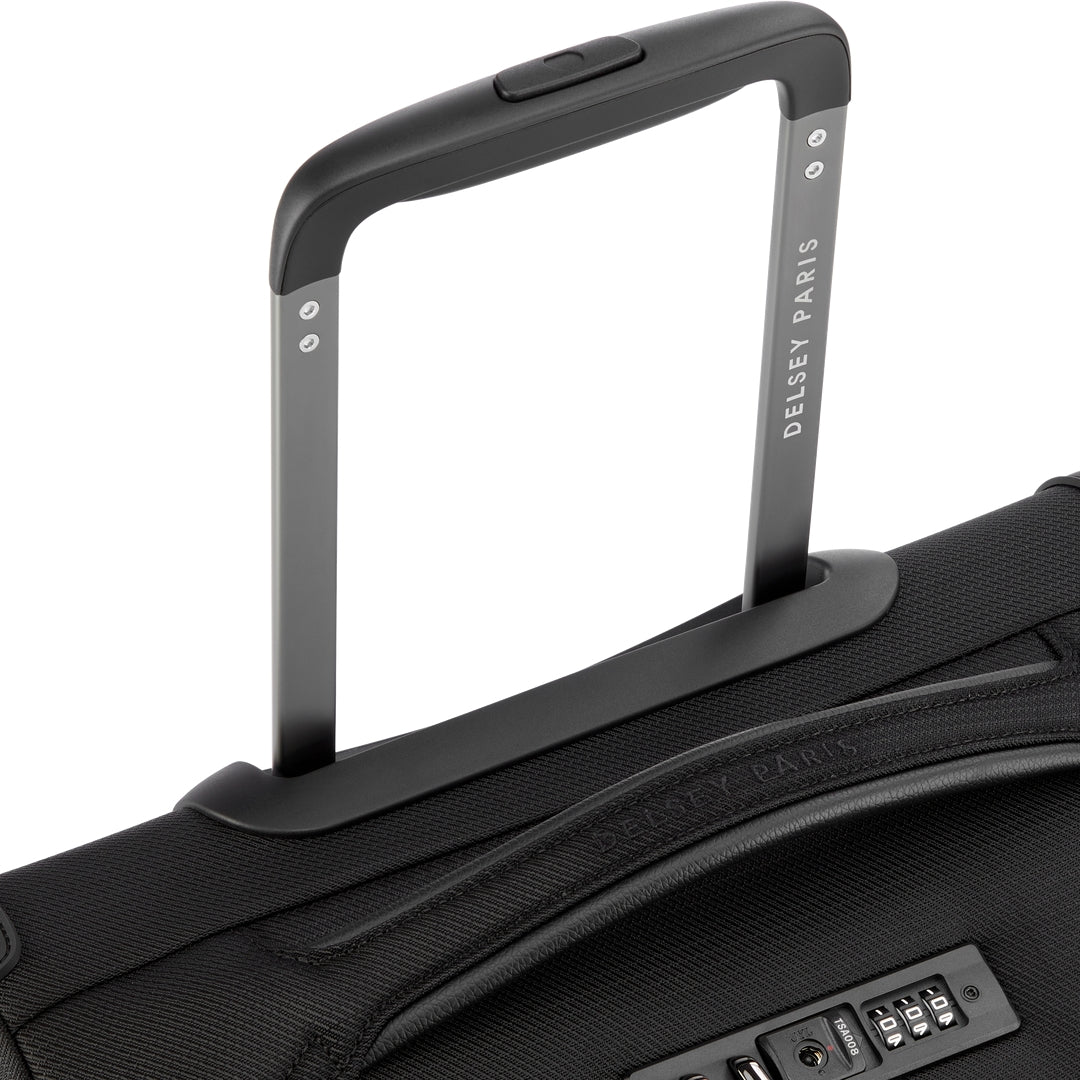
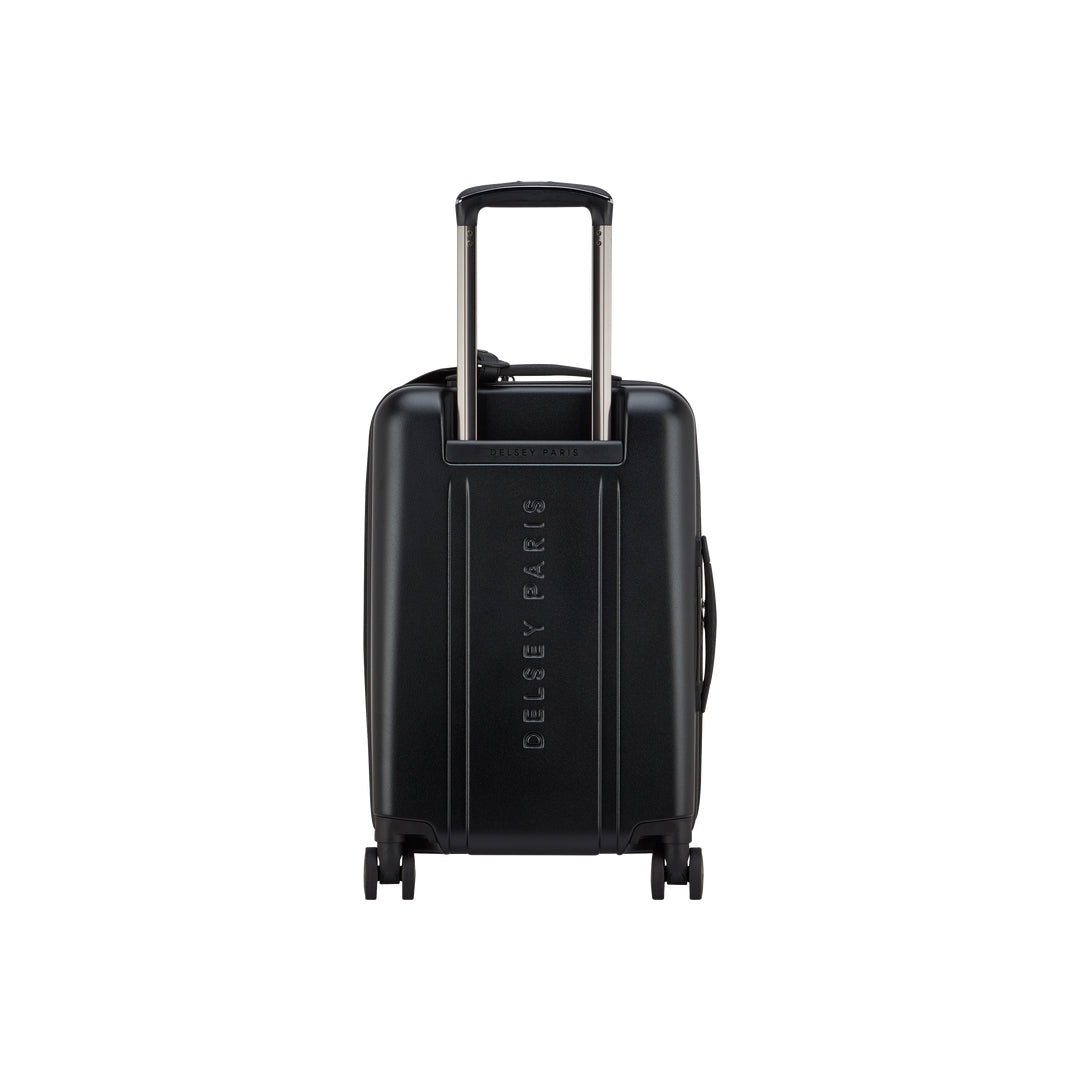
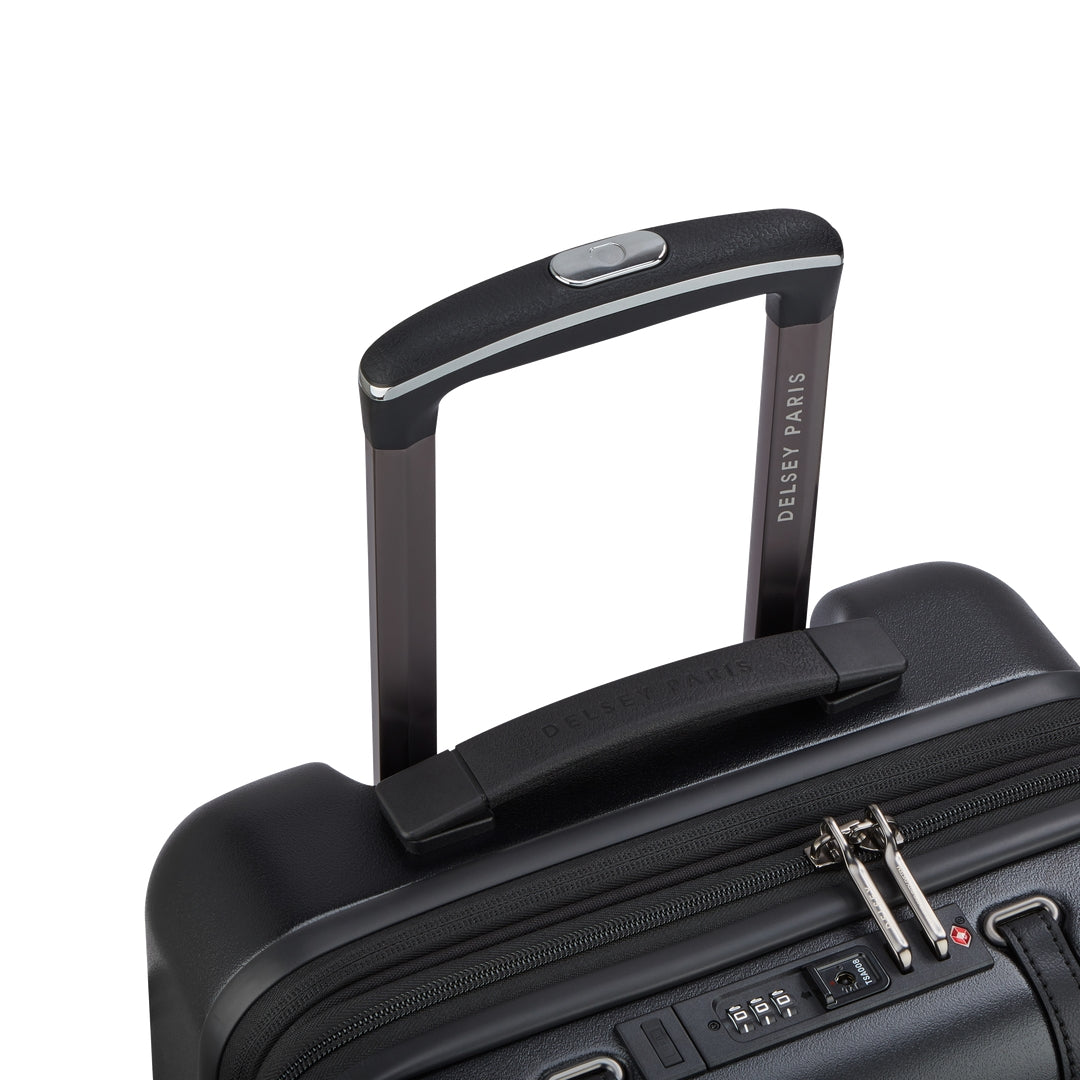
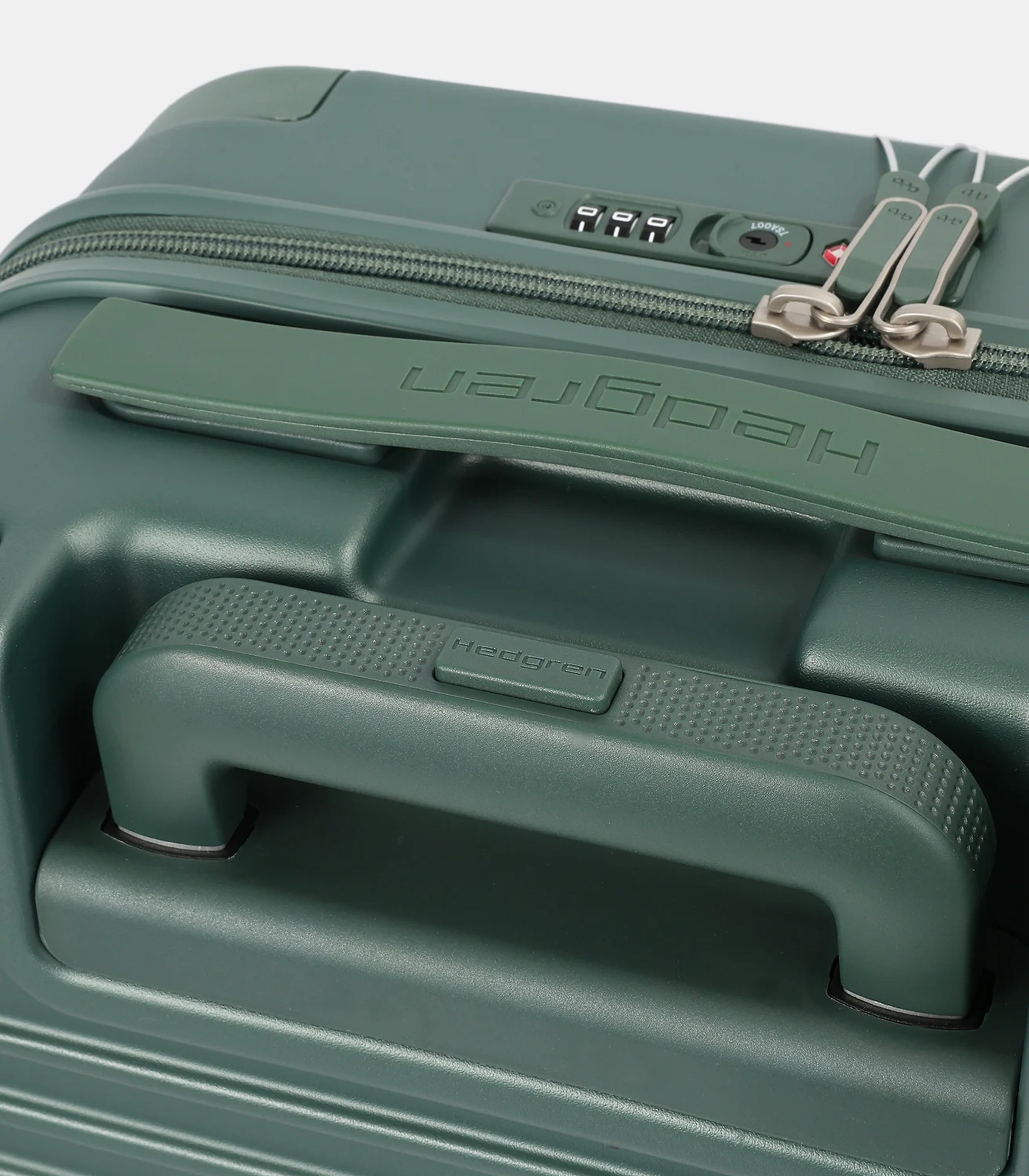
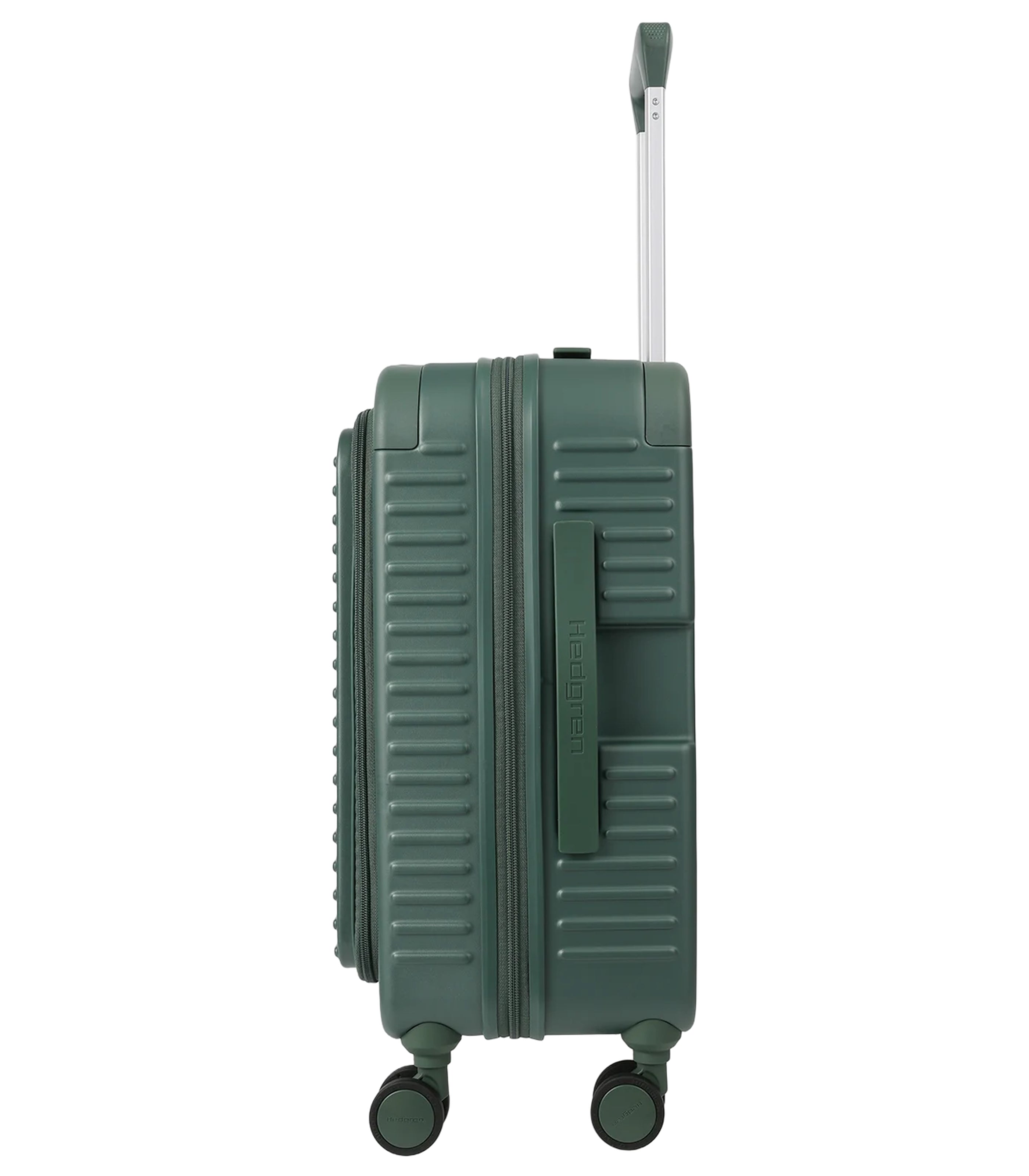
● Telescopic handle: it should lock firmly at each height without wobbling side to side.
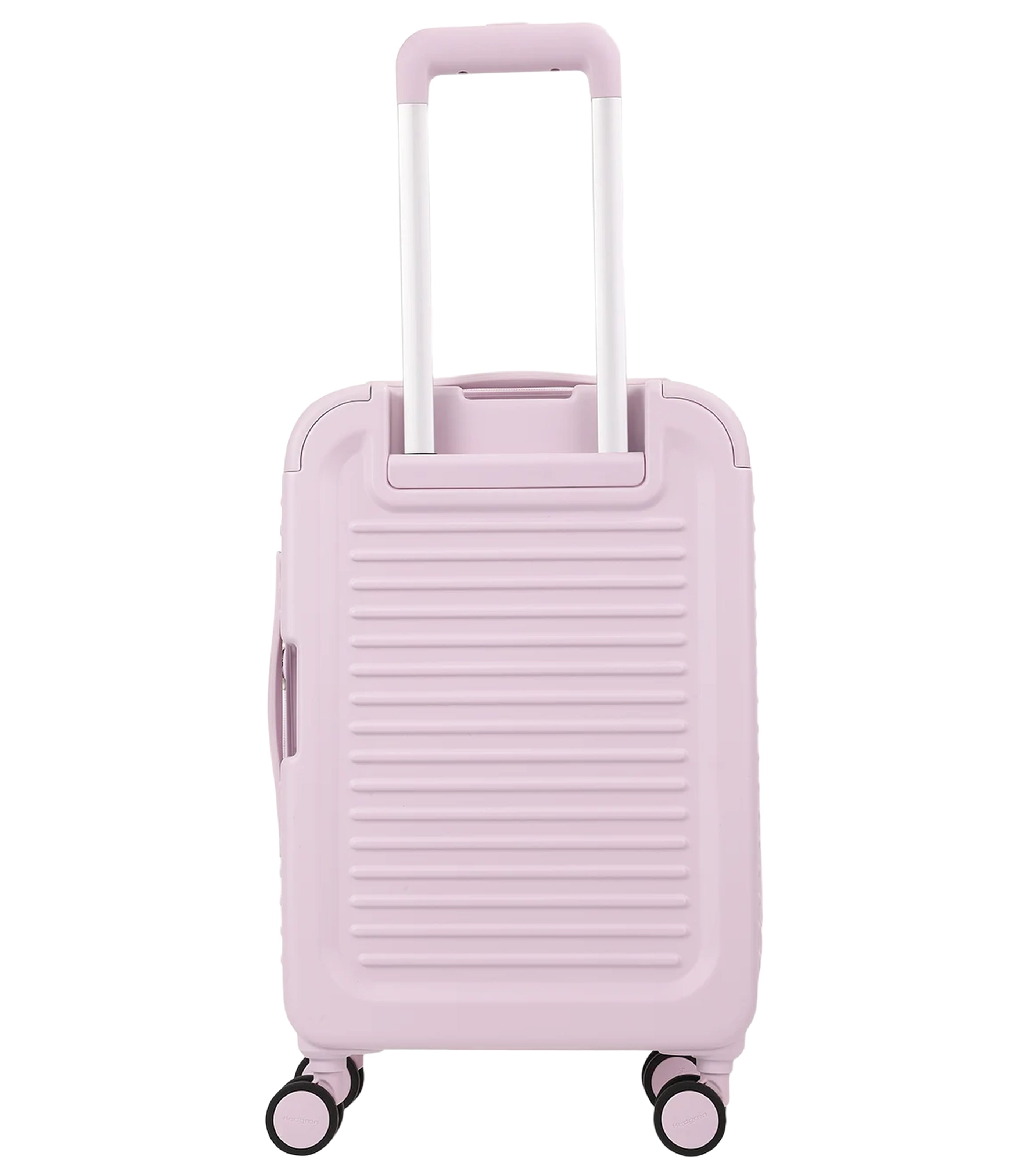
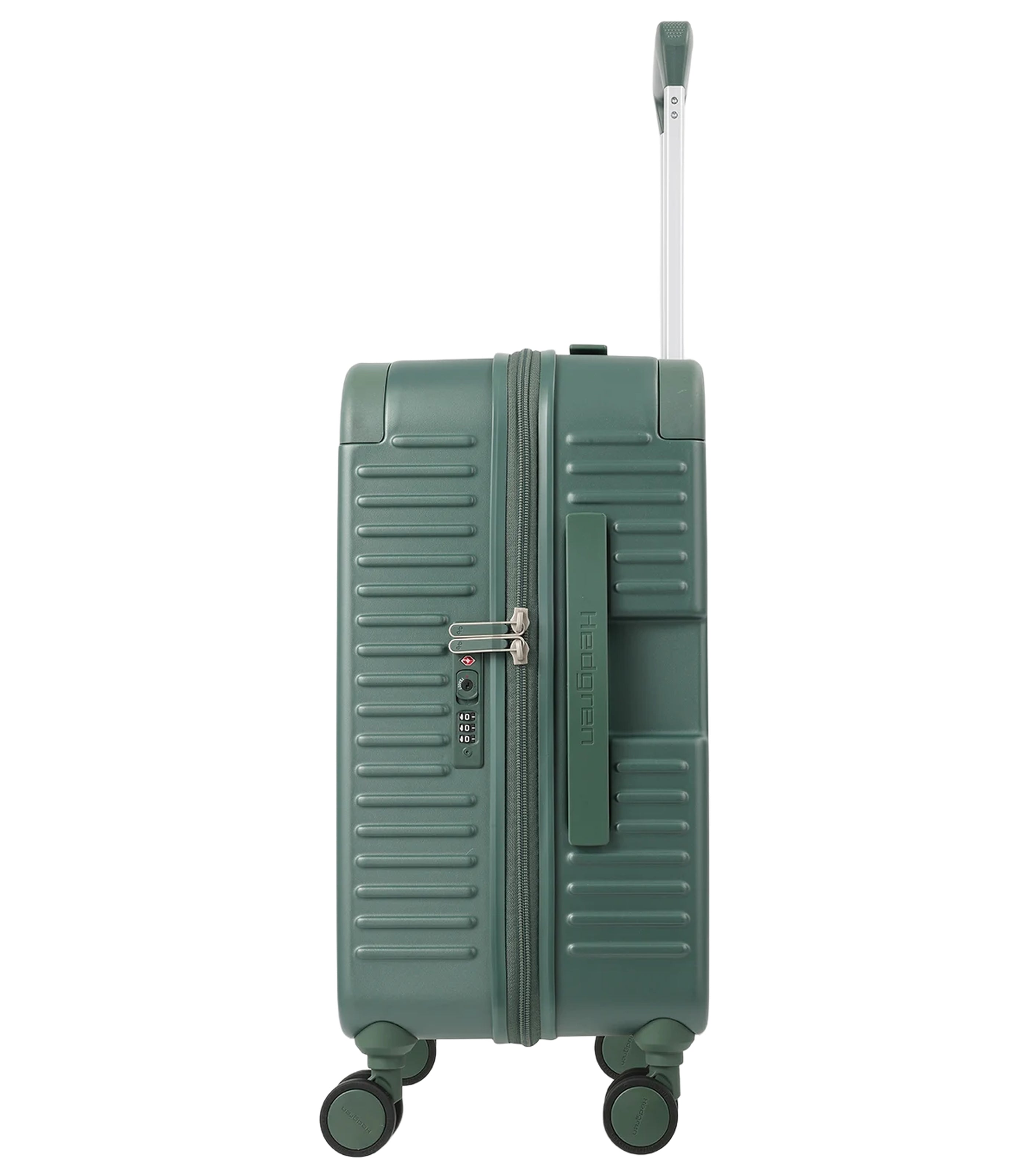
● Wheels: roll the case loaded, not empty — weight is what reveals a weak wheel or a sticky bearing.
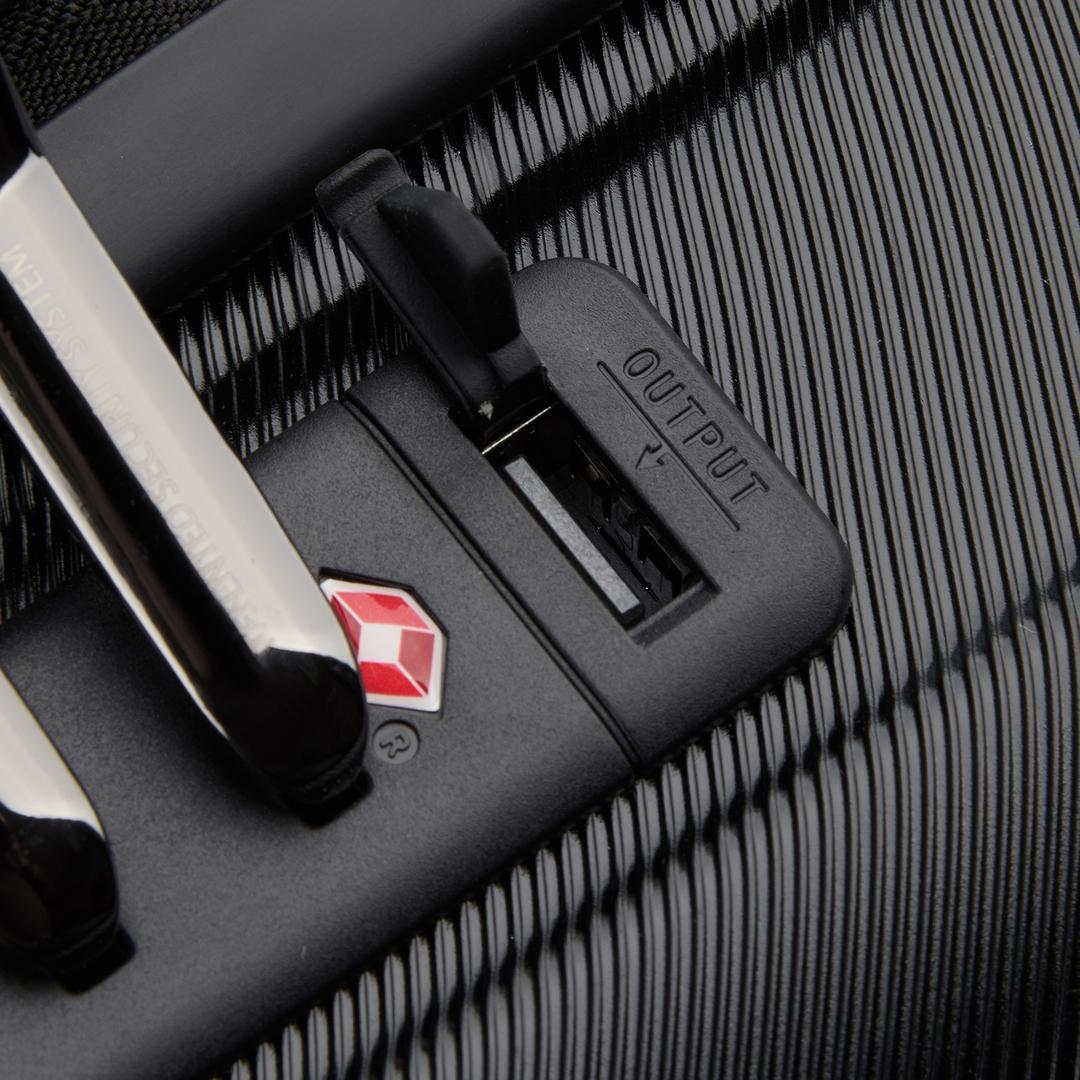
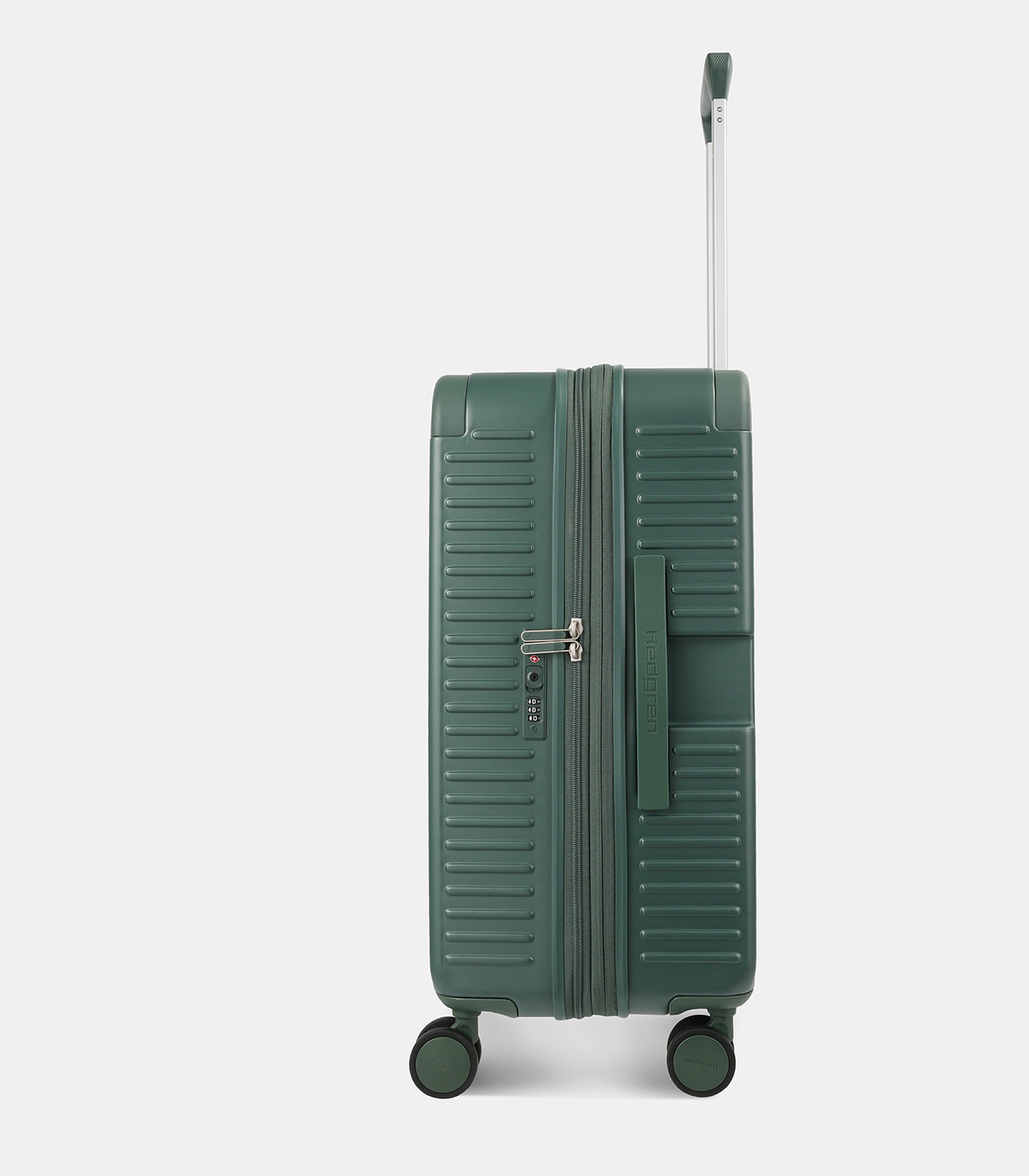
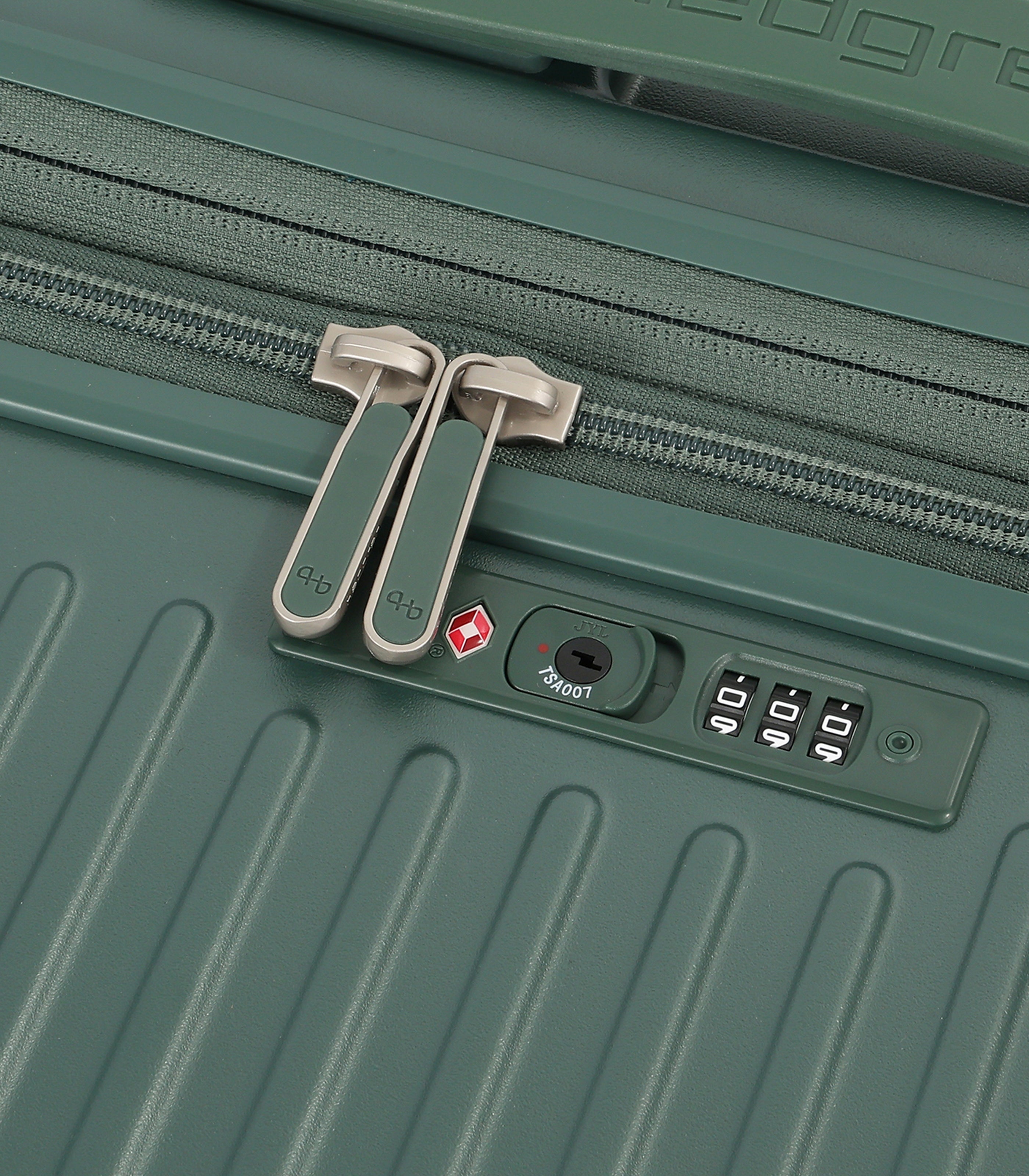
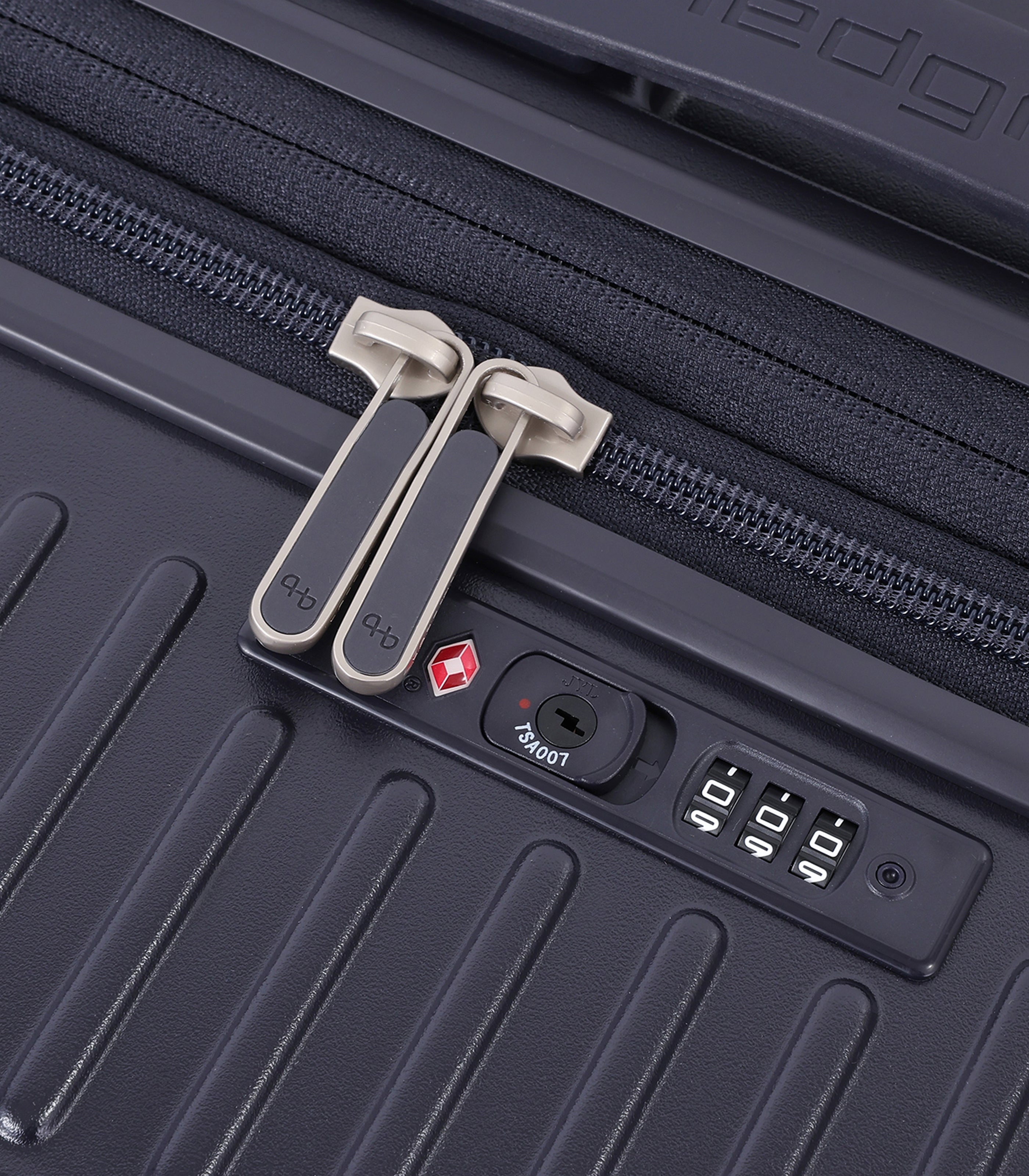
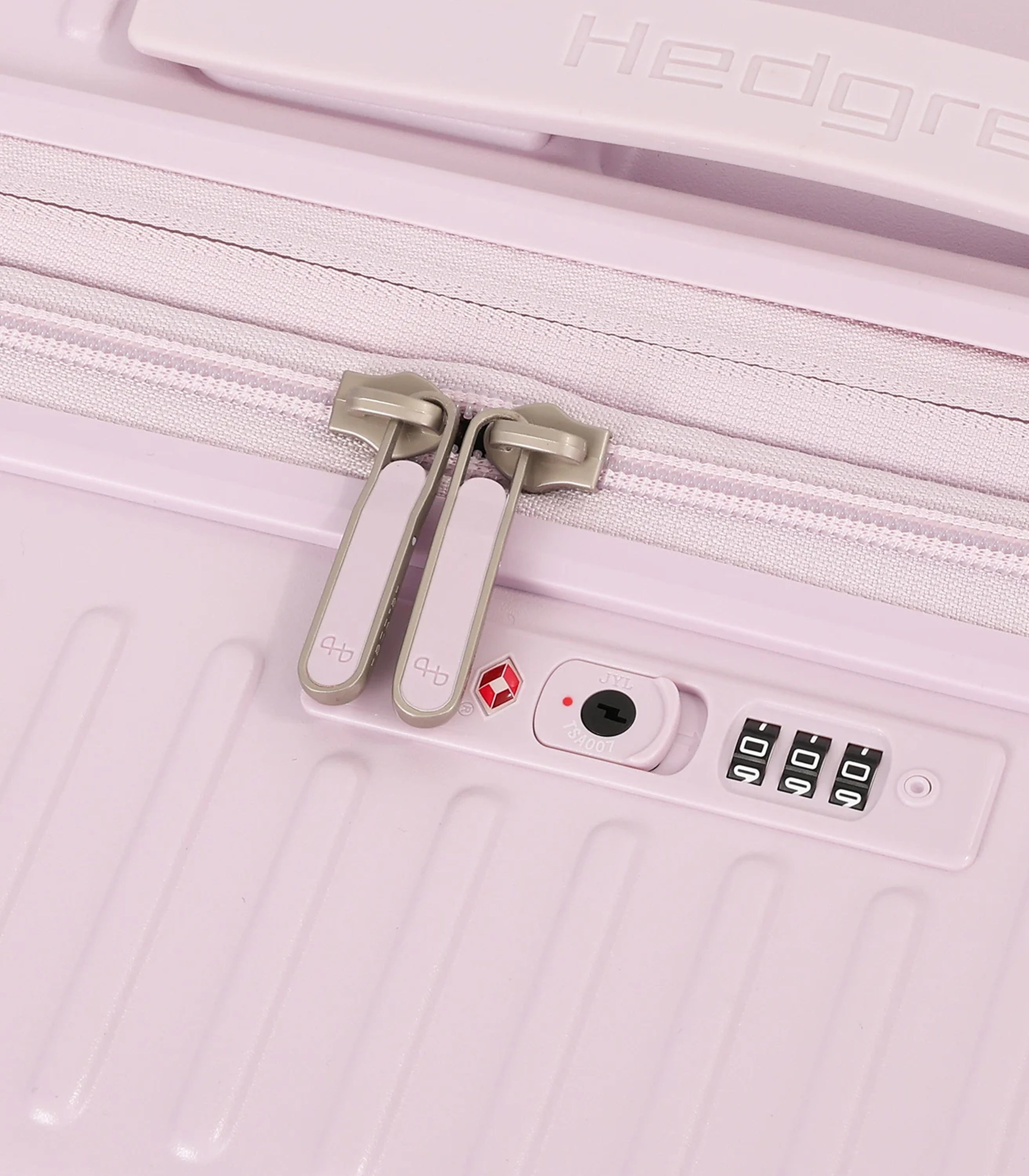
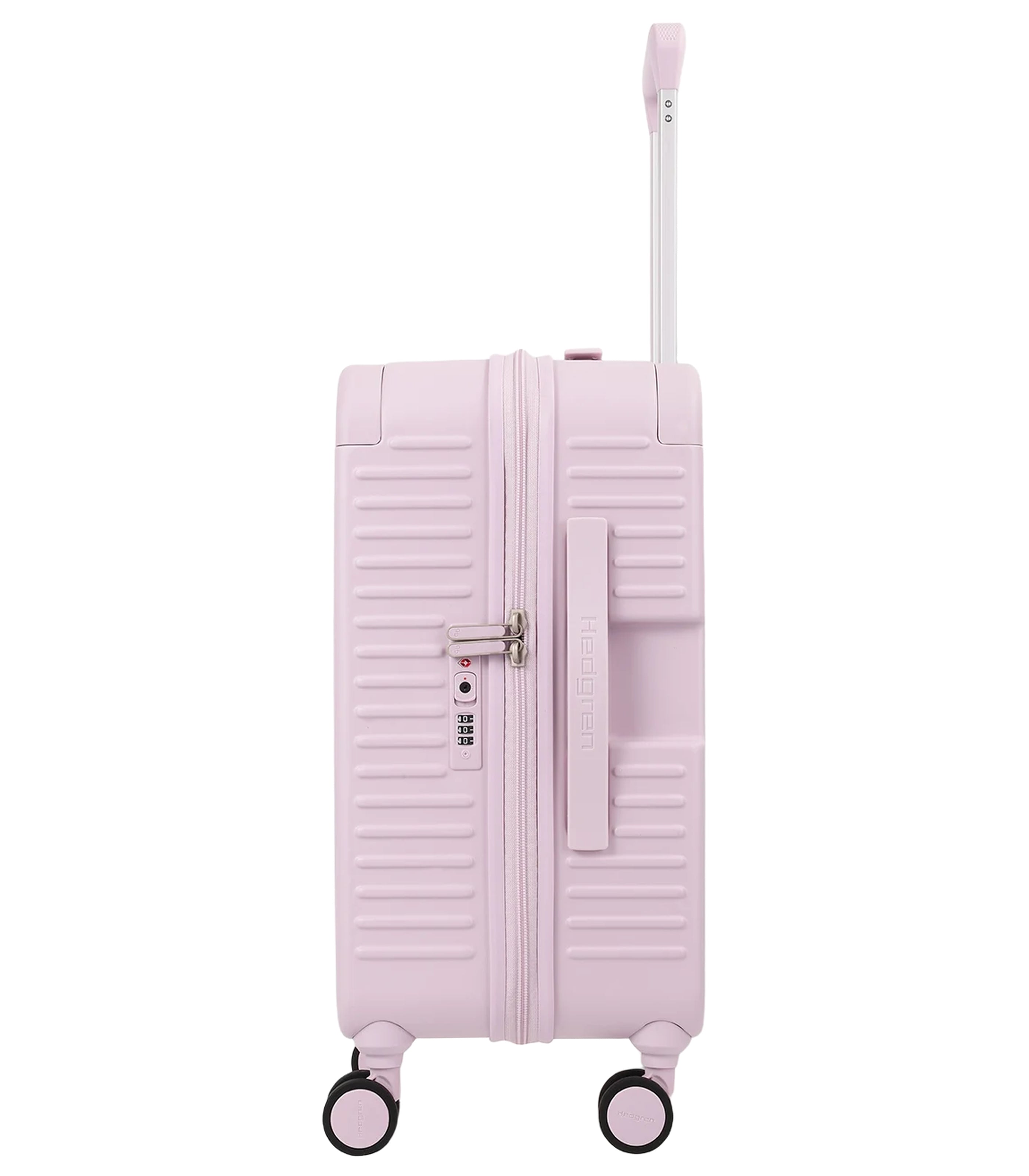
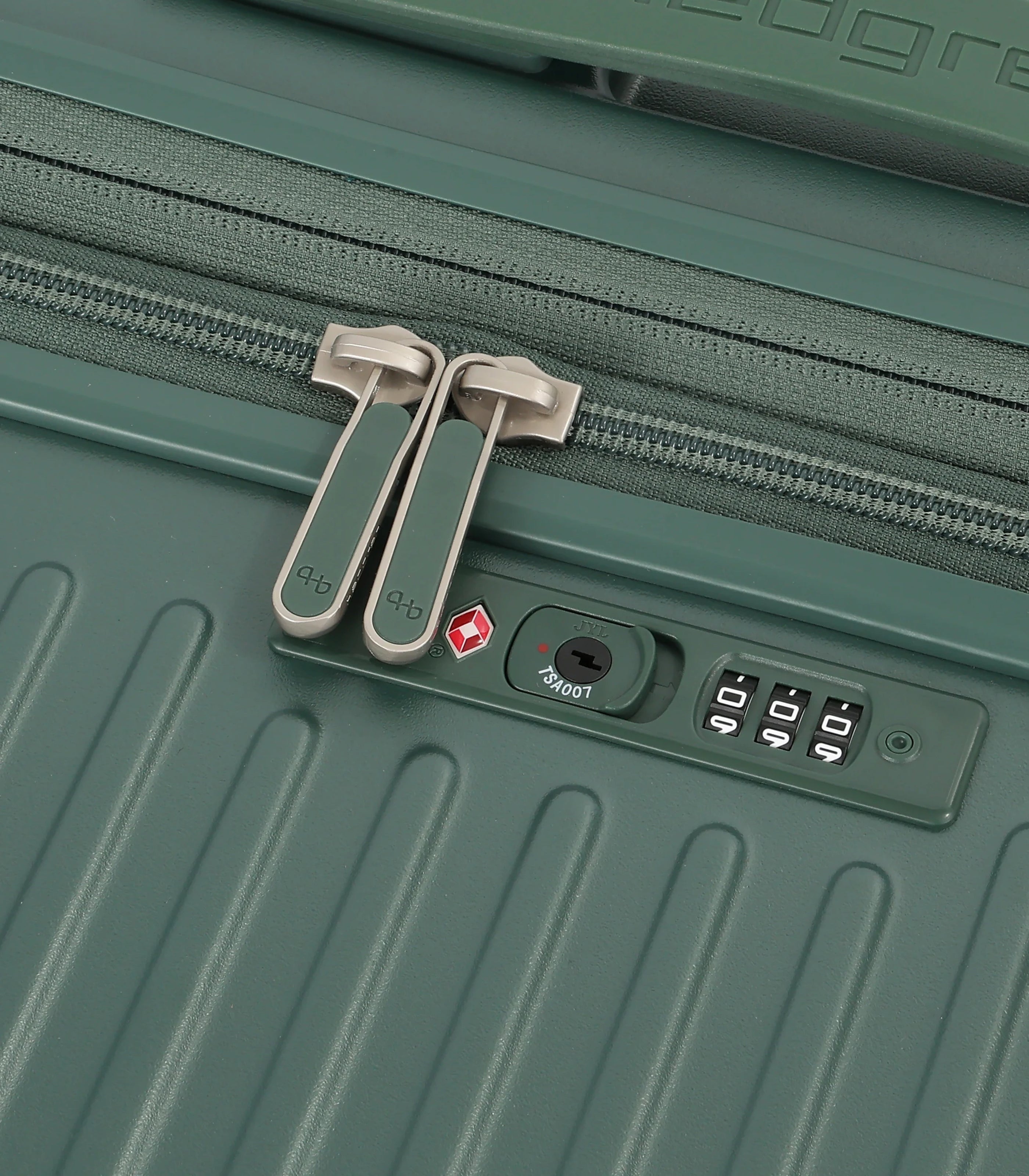
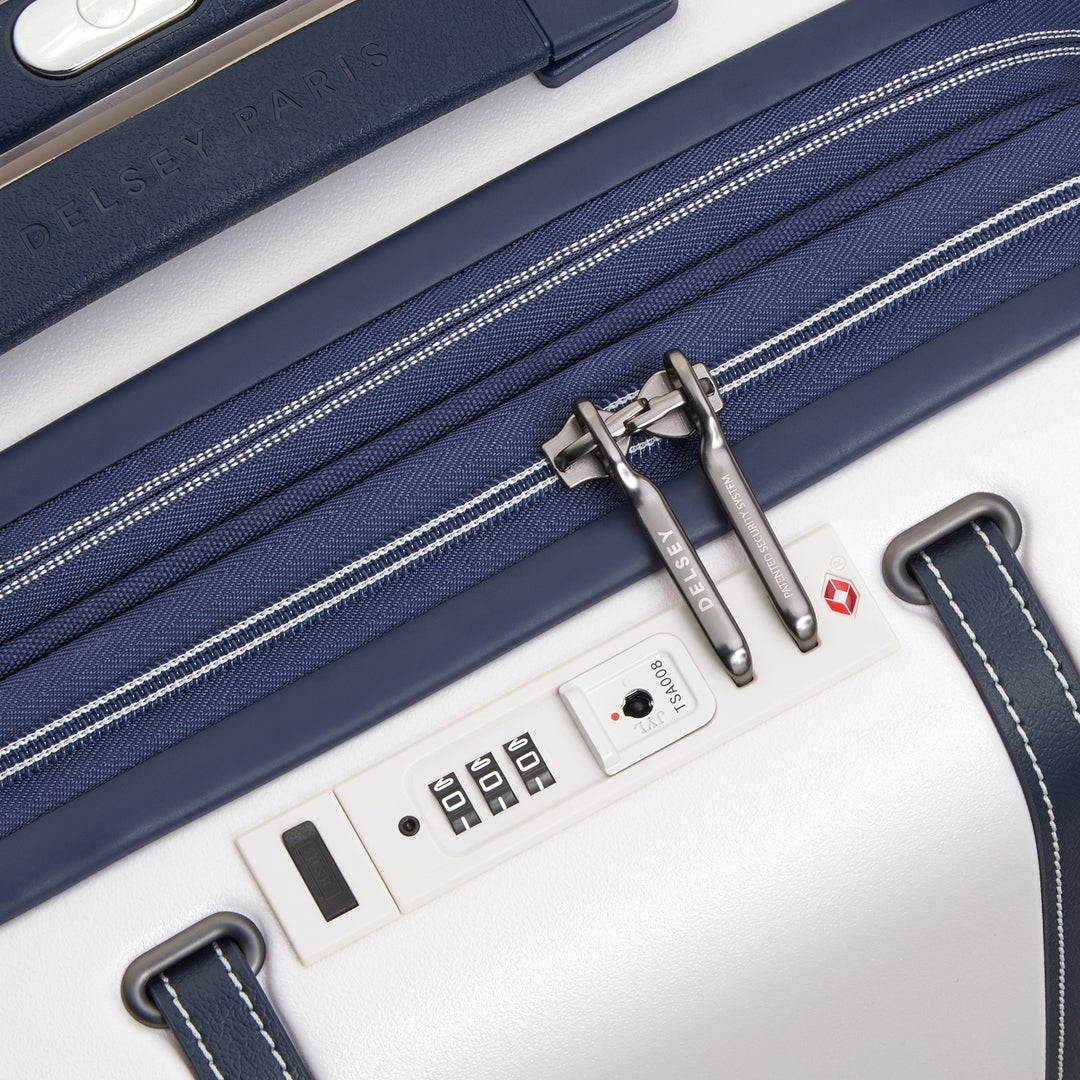
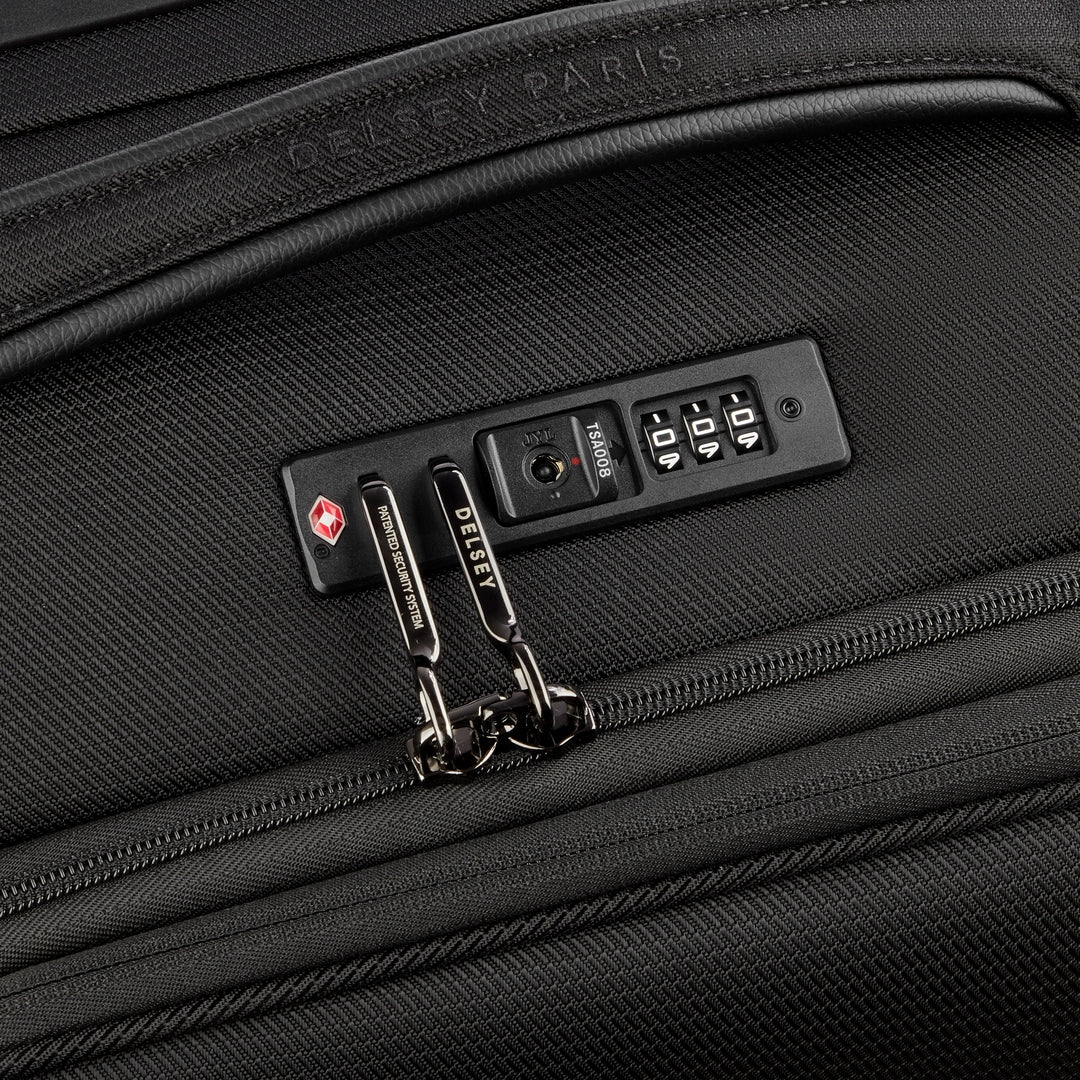
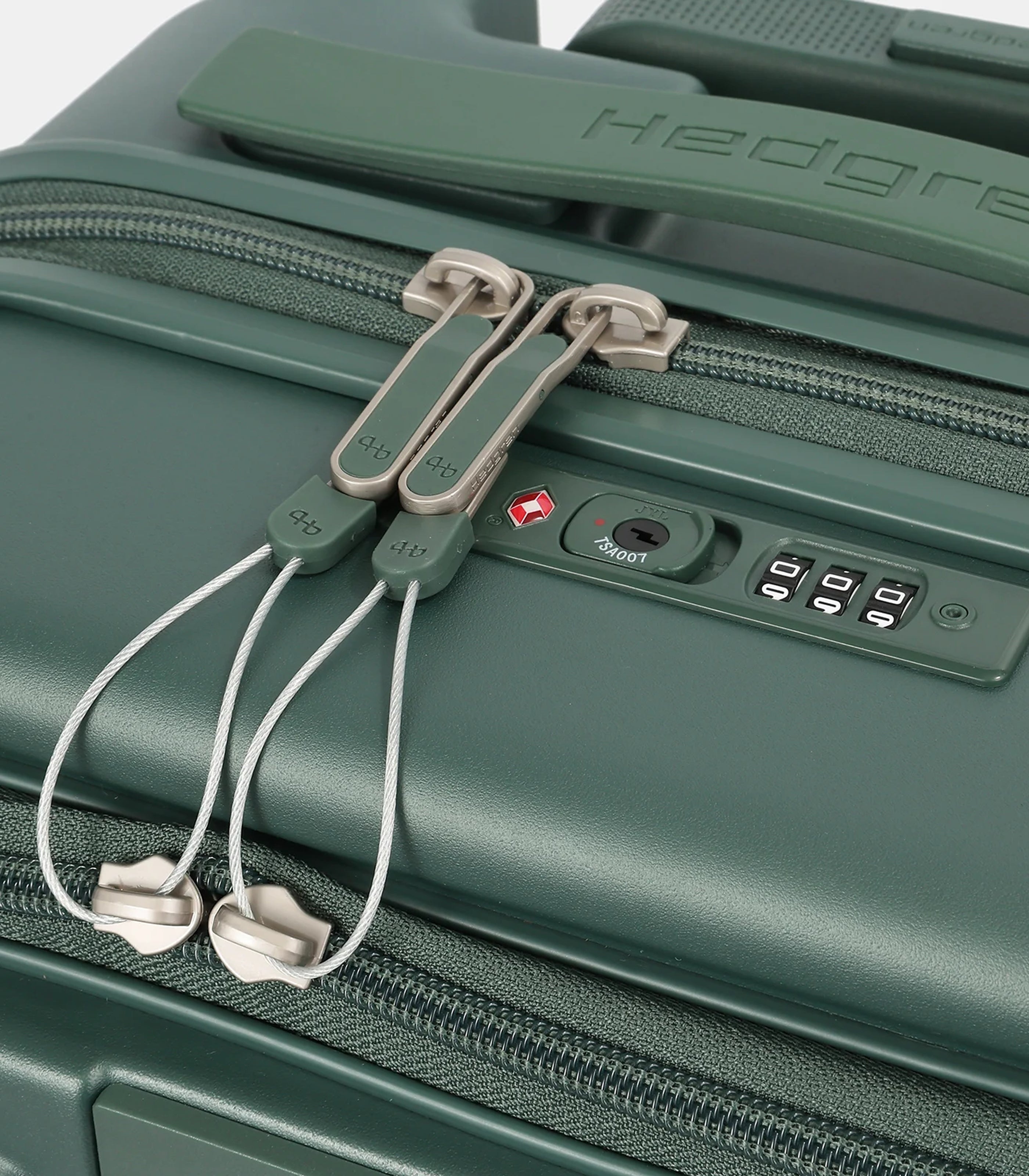
● Lock: a TSA-recognised combination lock lets inspectors open and reclose the case without cutting it.
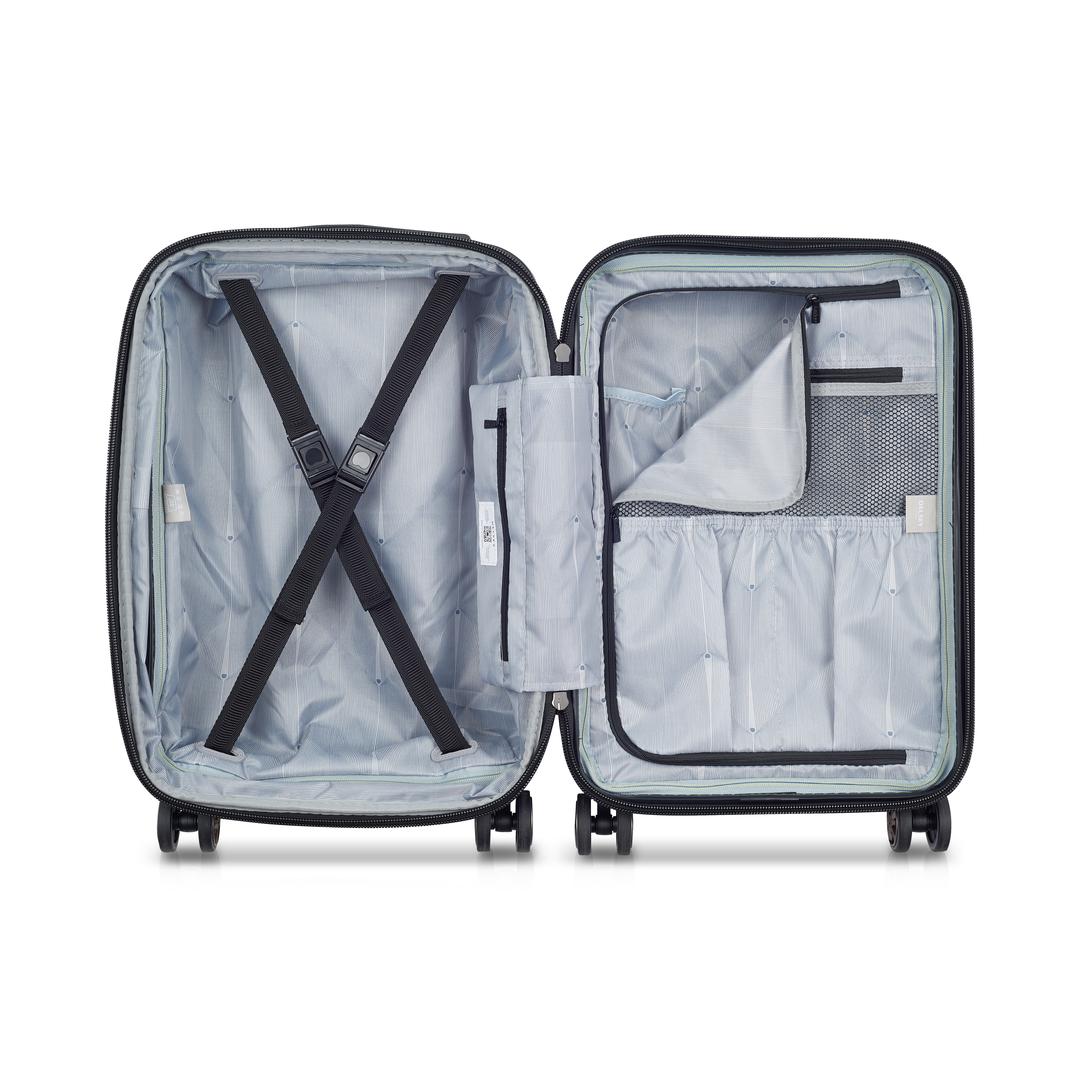
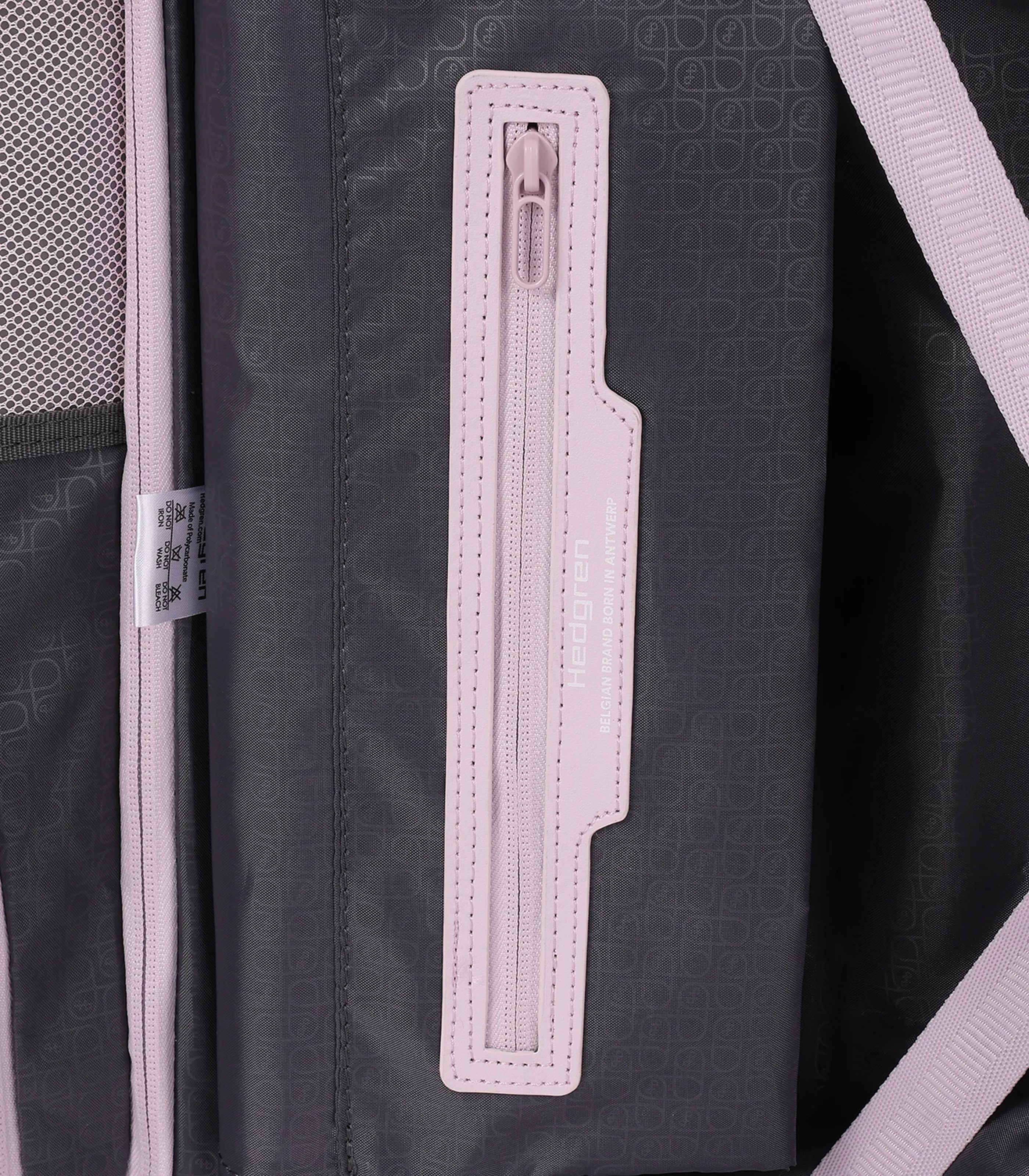
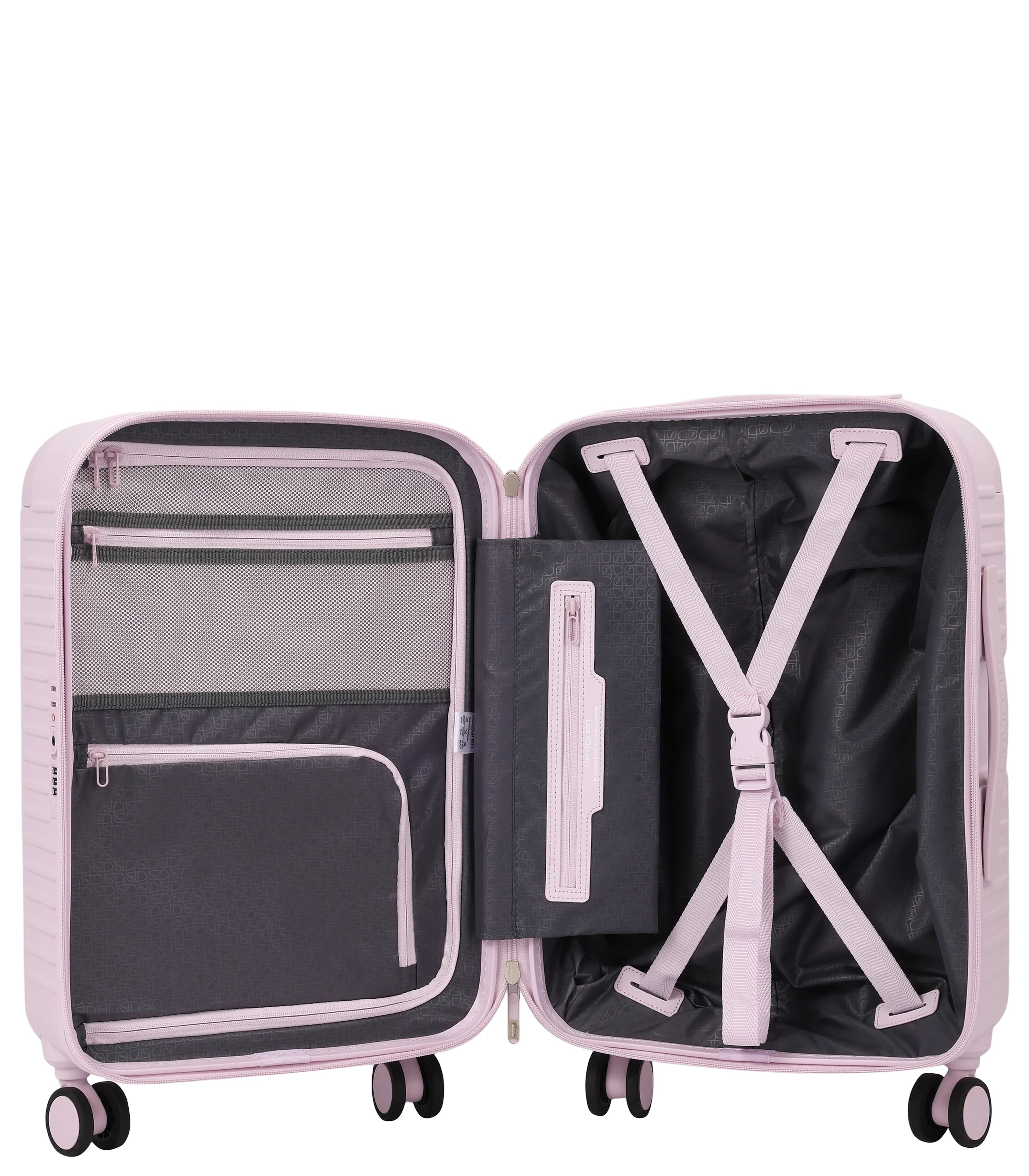
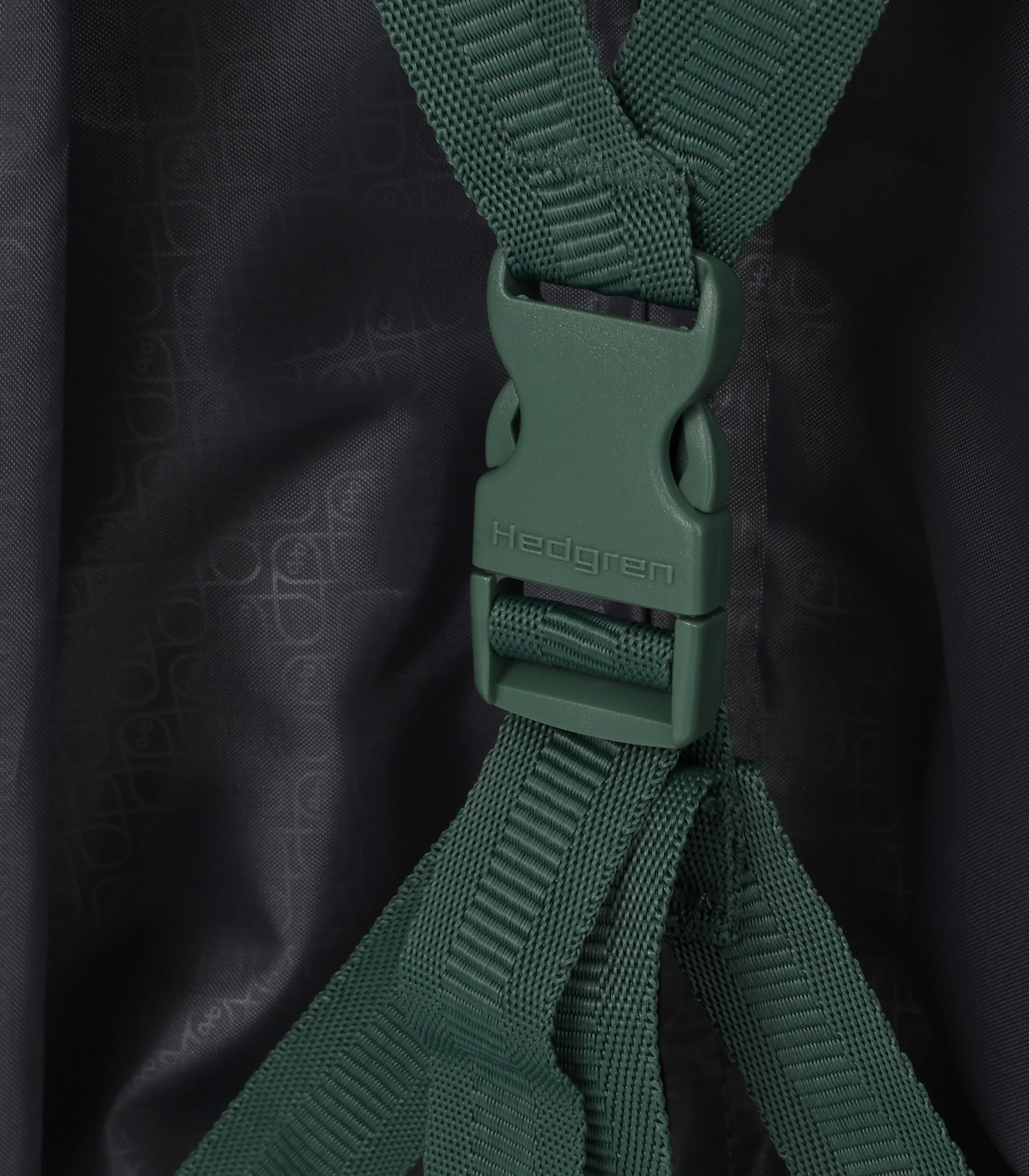
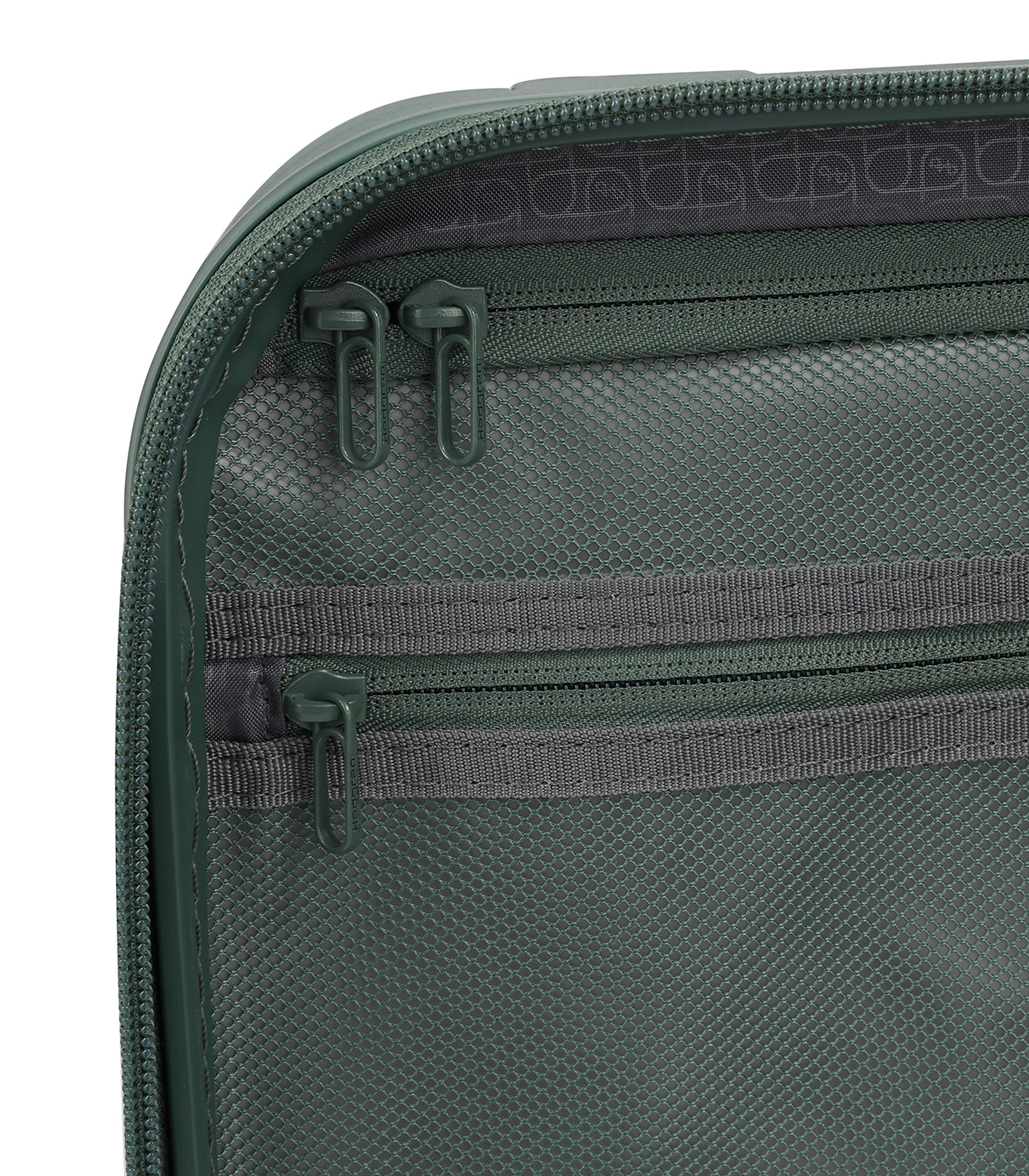
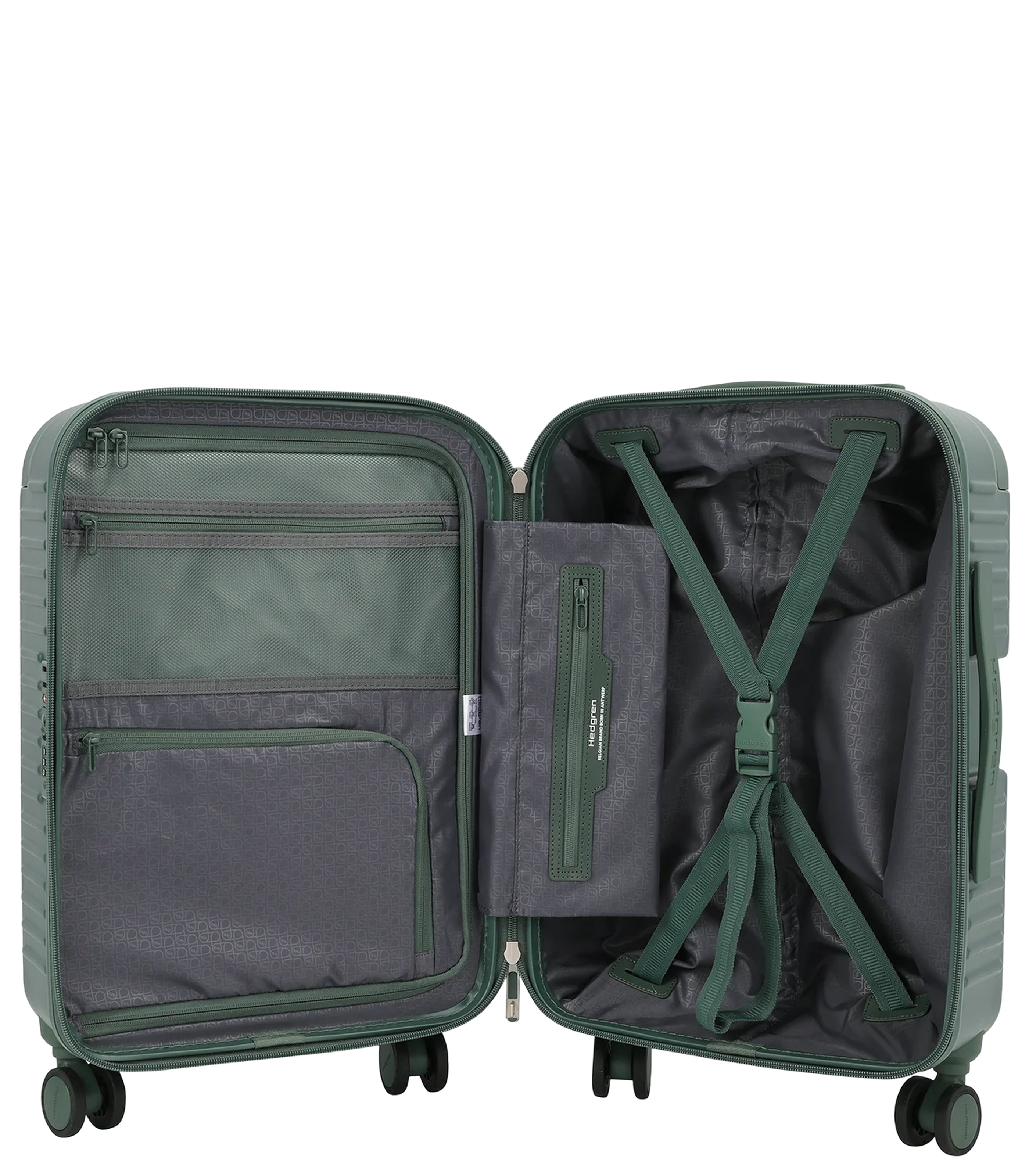
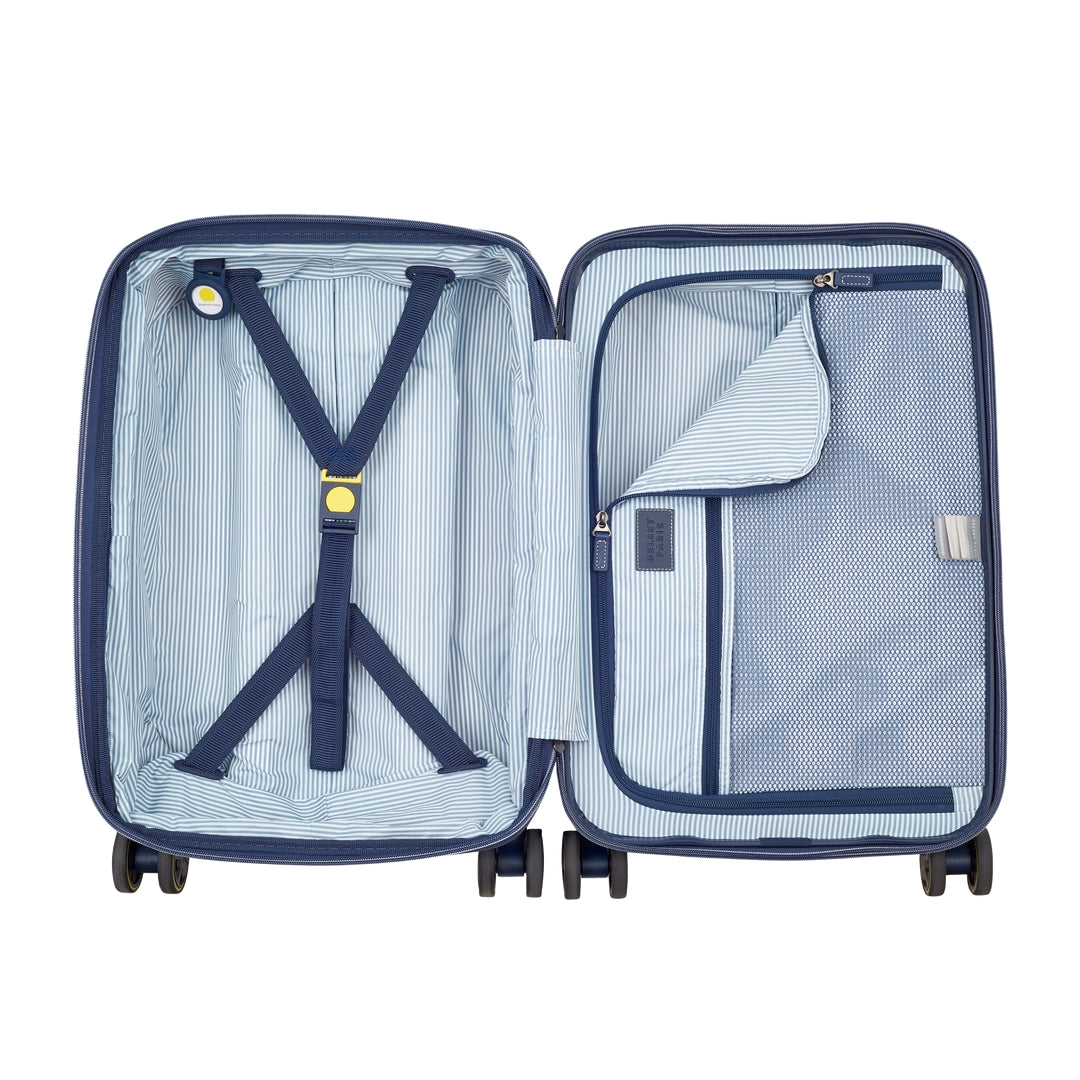
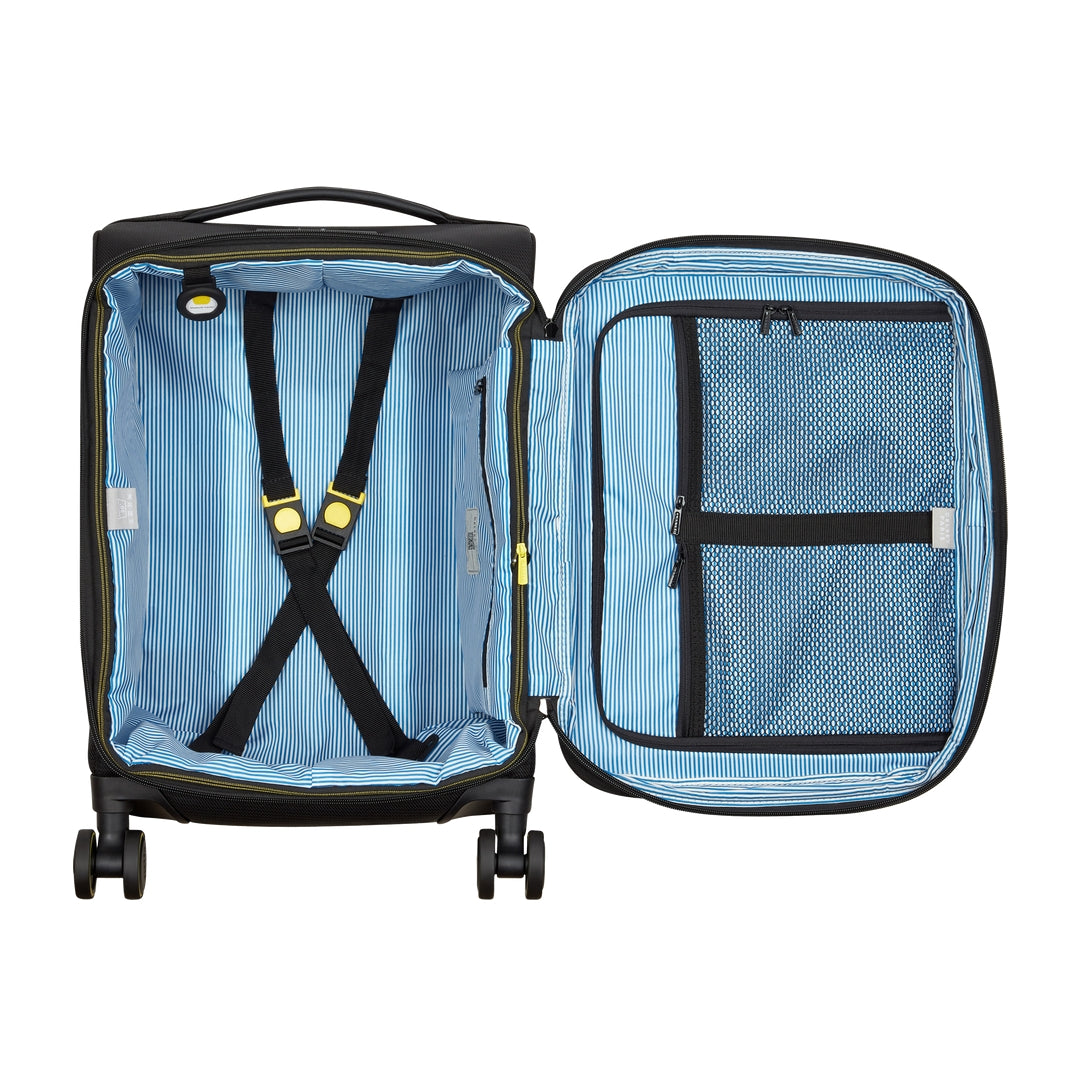
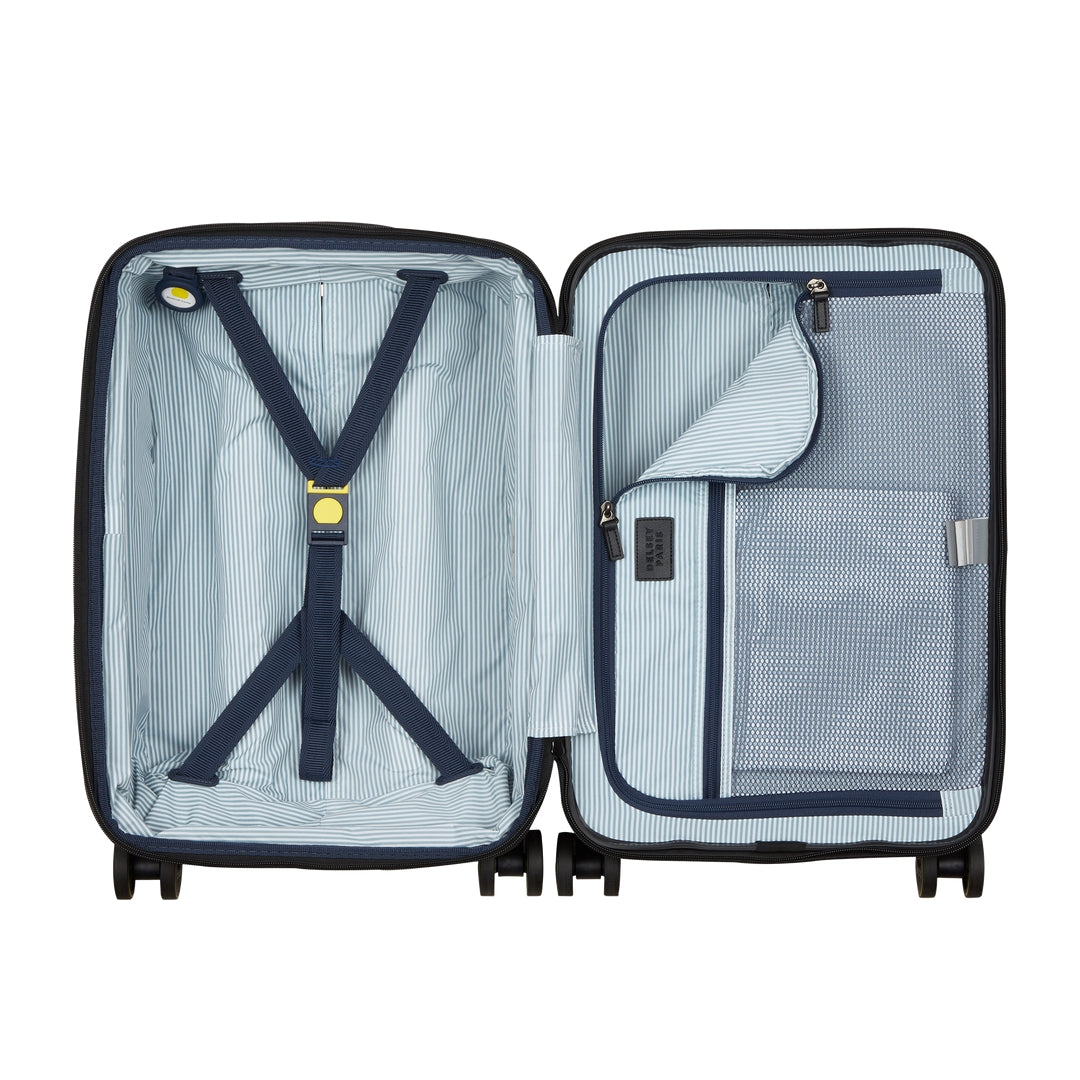
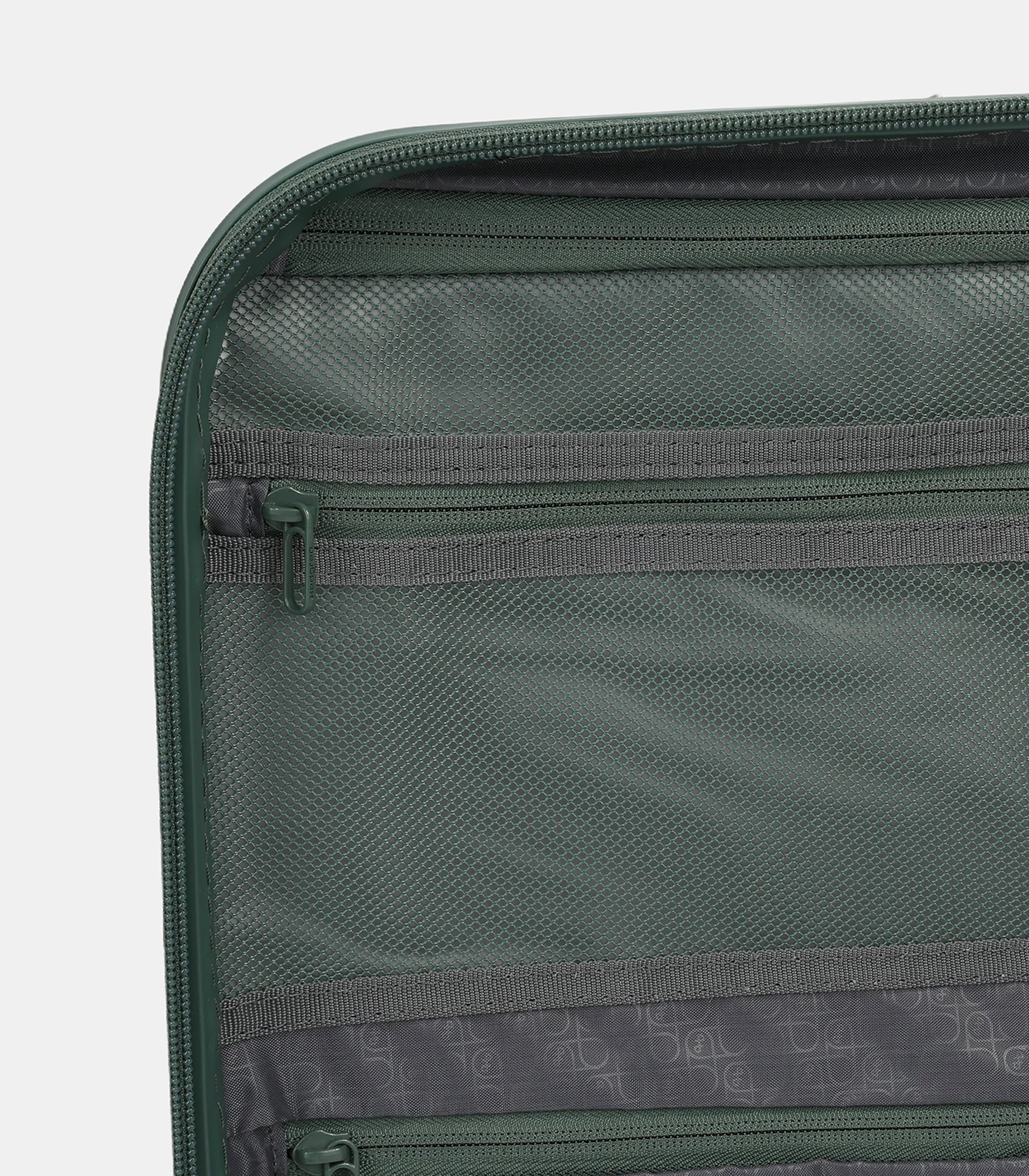
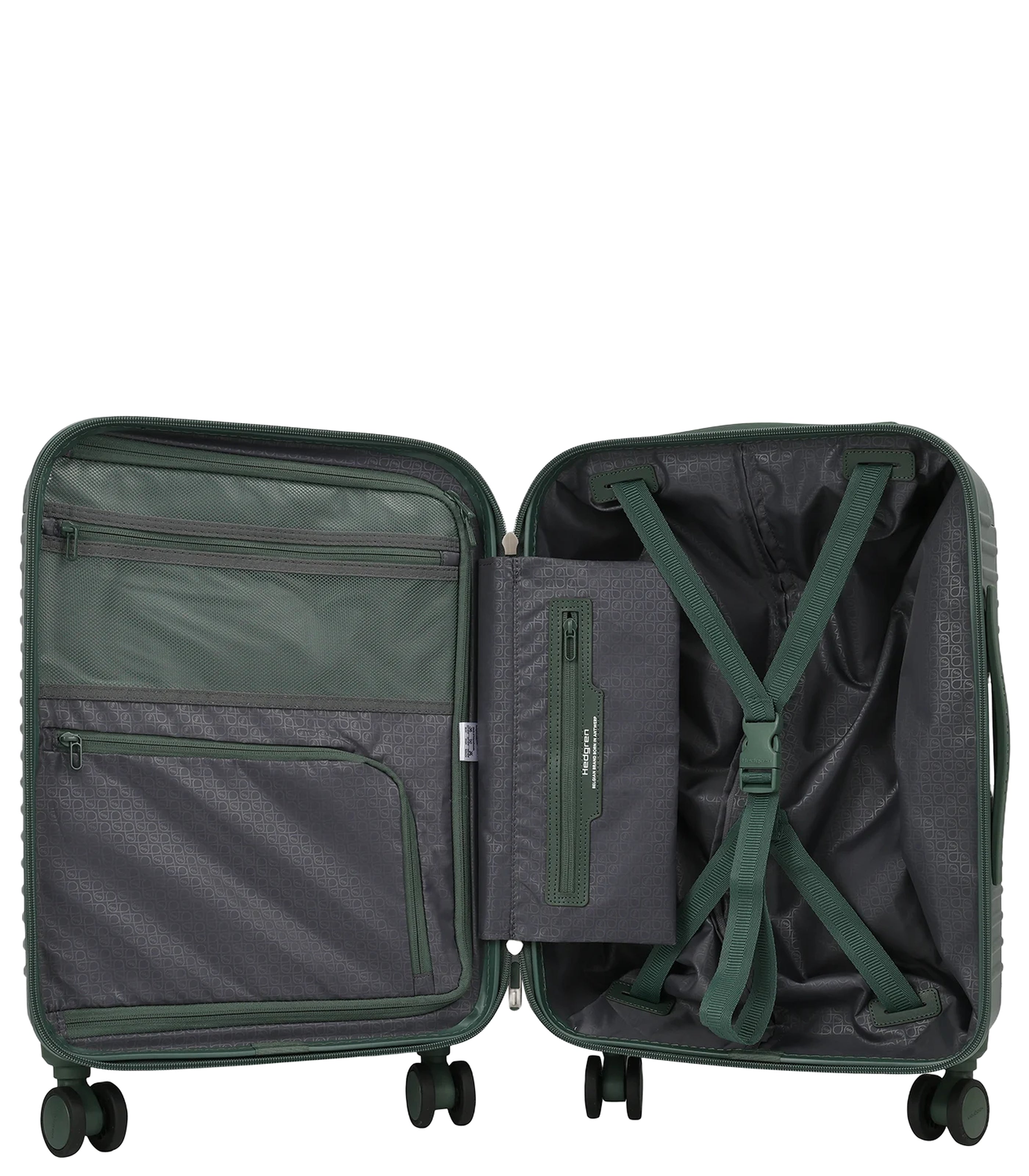
● Interior: compression straps and a zippered divider keep clothes from shifting on a long flight.
Frequently Asked Questions
Where can I buy luggage in the Philippines?
Luggage is available in the Philippines at The Travel Club, online and in stores nationwide. The range covers hard case, soft case, and trunk styles in cabin through large sizes, all sourced through official distribution. Use the store locator if you’d rather roll a case around the floor before deciding.
What size luggage is allowed as carry-on?
Cabin-size luggage is generally built to fit standard overhead bins, but the exact limit is set by each airline, not by the case. Size and weight allowances differ between carriers and Philippines?between domestic and international routes. Check your airline’s current cabin allowance before you fly, especially on budget carriers where weight caps are tighter.
Does the weight of an empty suitcase matter?
Yes — an empty case counts toward your baggage allowance, so a heavier suitcase leaves you less room for what you’re actually bringing. The difference between a light and heavy case of the same size can be a kilo or more. If you travel on a tight allowance or fly budget carriers often, weigh this before styling.
Should I buy matching luggage or mix sizes?
Buy pieces one at a time and match each to a trip you actually take, rather than buying a matched set upfront. A cabin case and a medium case cover most travel patterns, and buying separately lets you choose the right construction for each. Matching looks tidy at the carousel, but it rarely changes how well the bag works.
How do I make my luggage last longer?
Clean the wheels and empty the case fully after each trip, and store it somewhere dry with the lid slightly open so moisture doesn’t sit inside. Wheels, handles, and zippers wear out before shells do, and most of that wear starts with grit. See our product care page for cleaning guidance by material.
Can The Travel Club repair my luggage?
Yes — luggage bought at The Travel Club can be assessed and repaired locally through Repair Hub. Submit a request first, then drop the item at a participating store with a Repair Order Form; walk-ins aren’t accommodated. Turnaround depends on the damage and parts needed, so start the request as soon as you spot the problem.


